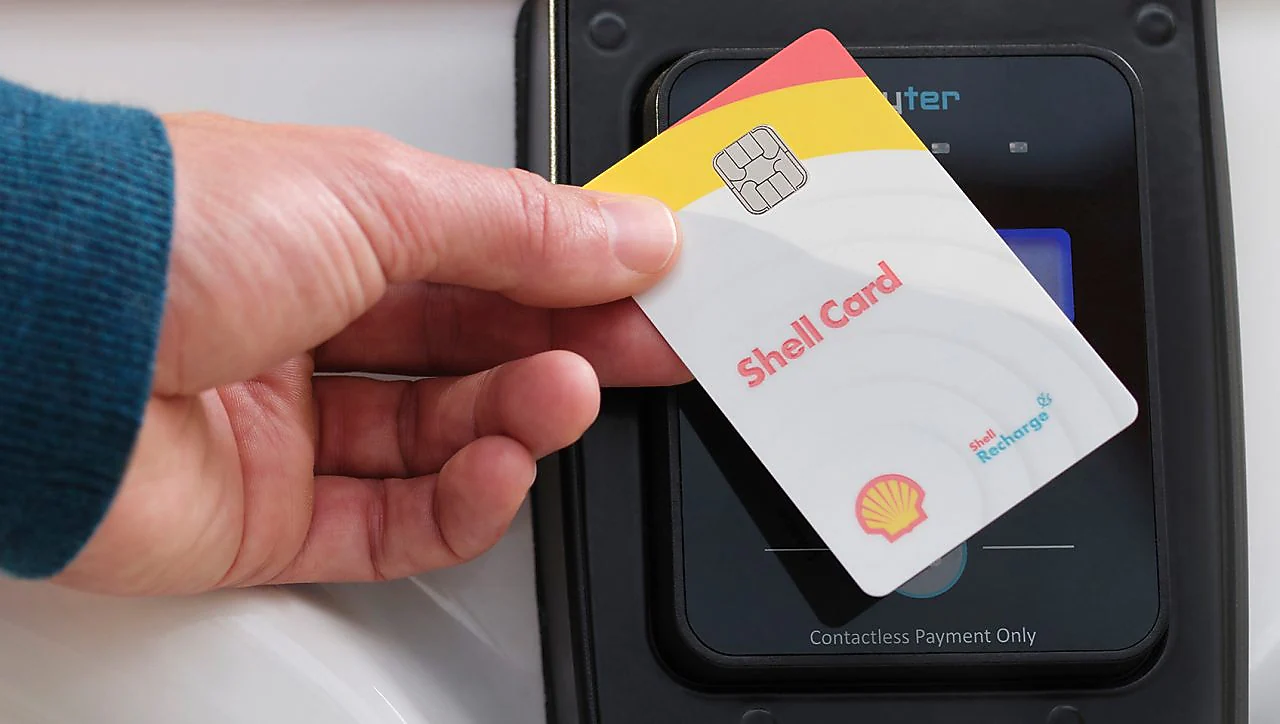
Fleet fuel costs are one of the biggest budget lines for any transport business. In Australia, fuel spending can eat up 30% to 40% of total operating costs. That is not a small number. Smart businesses are switching to an efficient Shell card for fleets because it gives them control, visibility, and real savings. This article breaks down how fleet fuel cards cut waste, stop misuse, and make financial reporting easier. No guesswork. Just facts.
What Does a Fleet Fuel Card Actually Do?
A fleet fuel card is not just a payment method. It is a tracking tool, a budget guard, and a reporting system all in one.
Drivers use the card at fuel stations. Every transaction gets logged automatically. The business sees where fuel was bought, how much was spent, and which vehicle used it.
That level of detail matters. Without it, you are guessing. With it, you are managing.
Why Does Fuel Misuse Happen Without a Card System?
Fuel theft and misuse are bigger problems than most businesses admit. Studies show that 10% to 15% of fuel costs in unmanaged fleets are lost to fraud or misuse.
Drivers fill up personal vehicles. They buy non-fuel items. They overfill or refuel too often. Cash-based systems have zero visibility into this.
A fleet card blocks all of that. You can set spending limits, restrict purchase categories, and require a PIN or odometer reading before a transaction goes through.
How Does Shell’s Fleet Card Network Give an Edge?
Shell operates one of the largest fuel station networks in Australia. That reach matters for fleets that move across states or remote regions.
Drivers do not need to hunt for accepted stations. Less detour time means less idle fuel burned. It also means less driver frustration.
Shell’s network includes over 1,200 service stations across Australia. For national fleets, that coverage is hard to beat.
What Cost Savings Can Businesses Actually Expect?
Real numbers matter here. Businesses using fleet cards report saving between 5 cents and 15 cents per litre through negotiated rates and rebate programs.
On a fleet burning 50,000 litres a month, that is a saving of $2,500 to $7,500 every single month.
Add in the time saved on manual expense reporting and reconciliation, and the total value goes even higher. Accounting teams spend 60% less time on fuel-related admin when using card systems.
How Does a Fleet Card Improve Driver Accountability?
Every Shell fleet card transaction ties back to a specific driver and vehicle. There is no hiding behind vague receipts.
Managers can see real-time spending alerts. They can set rules so cards only work during business hours or within specific geographic zones.
This accountability does not just stop fraud. It also motivates better driving behaviour. Drivers who know they are being tracked tend to fill up only when needed.
Does the Card Help With Tax and Compliance?
Yes. Fleet cards generate itemised statements that make BAS (Business Activity Statement) preparation much simpler. GST credits are easier to claim.
Australian businesses can claim fuel tax credits on diesel used for business purposes. The ATO requires detailed records. Fleet card reports provide exactly that.
Without proper records, businesses leave thousands of dollars in unclaimed credits on the table every year.
Is the Shell Card Better Than Other Fleet Options?
That depends on your fleet size, fuel consumption, and geographic spread. Shell cards work best for fleets that cover wide routes and need consistent access to major highway stations.
For metro-only fleets, other cards might offer denser coverage in urban zones. But for interstate and long-haul operations, Shell’s national network is a genuine advantage.
The smart move is to compare total network coverage, rebate rates, and reporting features before committing.
What Should You Look for Before Choosing a Fleet Card?
Ask these questions: How many stations are in your main travel corridors? What is the rebate structure? Are there monthly fees? How detailed are the transaction reports?
Also check if the card integrates with your fleet management software. Data that stays siloed in one system does not help your overall operations.
A good fleet card is not just a payment tool. It is a data source that feeds into smarter decision-making across your whole business.