Nothing pulls a room together quite like thoughtful coordination between walls and trim—when both elements work in harmony, the entire space feels polished, intentional, and far more expensive than the actual effort suggests. Professional interior finishing elevates this balance to an art form, ensuring clean transitions and lasting appeal. Curious about proven methods that deliver crisp, gallery-quality results every time? Head straight to https://artvdecor.com/en/content/12-paint-wall-trim for practical insights that make the difference.
If you’re looking for wall art prints in South Africa, Stone & Gray presents a thoughtfully curated selection of fine art and mounted canvas pieces designed to elevate interior. Their collection blends modern and classic aesthetics, ensuring quality craftsmanship, unique styles, and reliable nationwide delivery for homes and offices alike.
The Role of Trim in Interior Design
Trim does far more than frame doorways and windows—it defines proportion, guides the eye, and adds architectural interest where plain walls might fall flat. Crown molding draws attention upward, making ceilings feel taller; baseboards ground the room and protect lower walls from scuffs. Chair rails break up tall expanses visually while offering subtle texture contrast, especially when painted in a slightly deeper or lighter tone than surrounding surfaces.
In open-plan layouts, consistent trim color throughout creates flow from one zone to the next without relying solely on furniture placement. Narrow hallways gain width illusion when trim matches walls closely, whereas contrasting trim sharpens edges and adds definition in larger, airier rooms. The interplay between matte wall finishes and semi-gloss or satin trim highlights craftsmanship—light catches differently on each surface, adding subtle dimension that flat monochromatic schemes rarely achieve.
Homeowners often overlook how trim influences perception of scale. Slim, modern profiles suit contemporary spaces, while ornate Victorian details enhance traditional interiors. Either way, well-painted trim acts like jewelry: understated yet essential to the overall elegance.
Choosing the Right Colors for Walls and Trim
Color decisions set the mood and determine how seamlessly the room reads as one cohesive unit. Classic white trim against soft gray or beige walls remains timeless because the crisp contrast outlines architectural features without competing for attention. For bolder statements, deep charcoal trim paired with creamy off-white walls creates drama while keeping the palette grounded.
Monochromatic schemes—where trim sits one or two shades lighter or darker than walls—deliver sophisticated subtlety. This approach works beautifully in smaller rooms, preventing visual choppiness and letting texture and light play take center stage. High-contrast combinations, such as navy walls with bright white trim, suit powder rooms or studies where impact matters most.
Trim paint ideas range from traditional bright whites that lift darker wall tones to unexpected choices like soft black for modern edge or warm taupes that blend seamlessly with earthy palettes. Testing samples on both surfaces in natural and evening light reveals how shadows shift—colors that look harmonious at noon can appear stark after sunset.
Professional Techniques for Clean Lines
Achieving razor-sharp separation between wall and trim demands precision that most weekend projects miss. Pros start by filling every gap, sanding joints smooth, and applying specialized caulk that flexes with seasonal movement rather than cracking over time. High-quality painter’s tape gets pressed firmly with a putty knife for perfect adhesion, then removed at the ideal moment—while the final coat remains wet—to avoid pulling fresh paint.
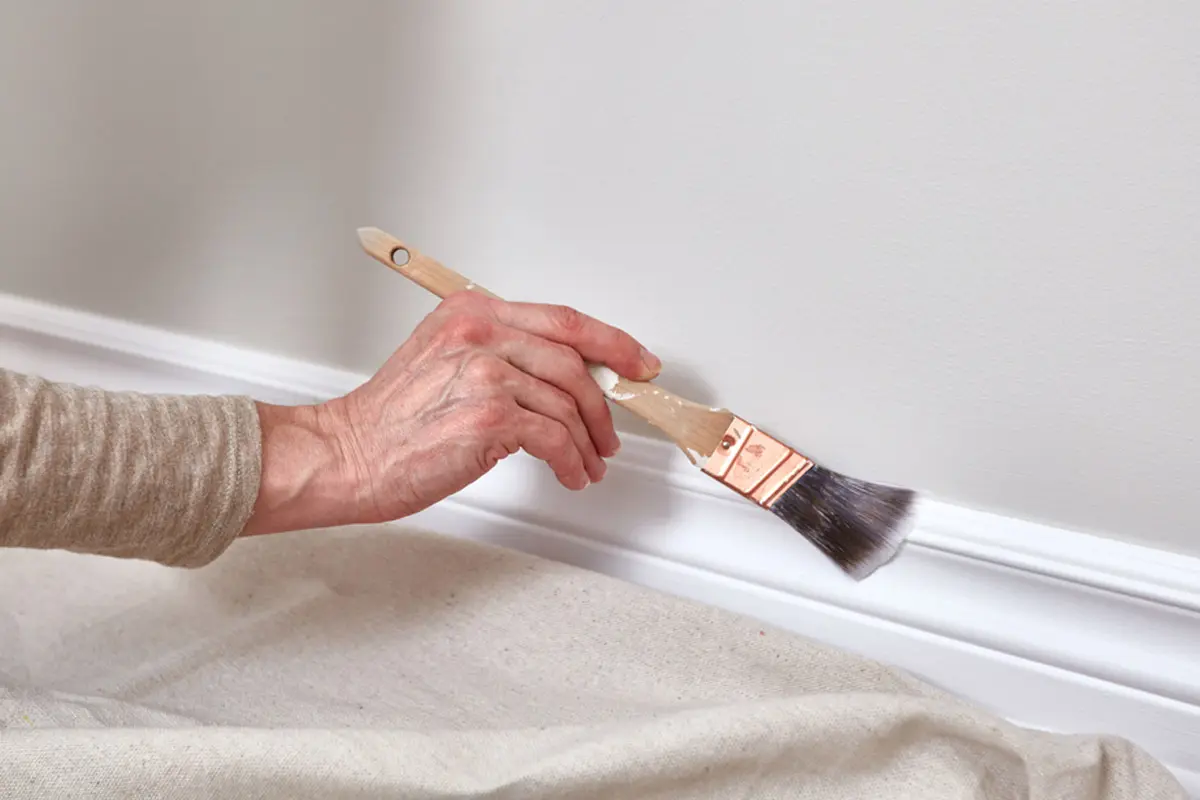
Cutting in freehand with an angled sash brush creates the cleanest edges when done by skilled hands; masking becomes secondary for intricate moldings. Multiple thin coats prevent buildup and drips, with careful feathering at transitions so no visible lines remain. Wall and trim painting benefits enormously from proper sheen selection—higher gloss on trim reflects light and highlights detail, while lower sheen on walls absorbs it for a softer backdrop.
One helpful interior finishing tip involves working top-down: crown first, then walls, finishing with baseboards to catch any stray drips. Another interior finishing tip centers on using extension poles with mini rollers for even coverage on tall walls without ladder marks.
Common Mistakes in Wall and Trim Painting
Rushing surface prep tops the list—skipping thorough sanding or skipping primer leads to peeling edges within months, especially around high-moisture zones. Using the same paint for both walls and trim sacrifices durability; trim sees more contact and needs tougher, scrubbable formulas that resist yellowing.
Poor tape technique causes bleeding underneath or jagged lines when removed too early or too late. Overloading brushes during cut-ins creates thick ridges that show every imperfection, while insufficient drying time between coats traps moisture and causes bubbling. Ignoring natural light direction during color selection results in surprises—south-facing rooms wash out pale shades, north-facing ones deepen them unexpectedly.
Many attempt to match existing trim without accounting for years of yellowing; fresh bright white against aged off-white trim instantly highlights neglect elsewhere. Finally, neglecting ventilation during application leaves lingering odors and uneven drying that affects adhesion long-term.
Professional interior finishing avoids these pitfalls through systematic processes and material knowledge. The payoff appears immediately: crisp lines, uniform coverage, and a room that feels thoughtfully designed rather than merely painted. When walls and trim complement each other perfectly, everyday spaces transform into environments that feel calm, luxurious, and distinctly personal—exactly the atmosphere most homeowners chase but few achieve without expert guidance. That coordination doesn’t just look good; it quietly raises the entire home’s presence for years to follow.