The American custom apparel market has changed dramatically over the past decade. What once depended on bulk screen-print runs and large inventory commitments has evolved into a fast, on-demand ecosystem driven by ecommerce, creators, small businesses, and localized production.
At the center of this shift is a technology that many outside the industry are only beginning to understand: Direct-to-Film printing, commonly known as DTF.
DTF printing has quietly become one of the most efficient and flexible solutions for producing custom garments at scale — without the operational friction traditionally associated with apparel decoration. As demand grows for faster turnaround, lower minimums, and durable full-color designs, many businesses are turning to reliable DTF printing services to stay competitive.
But what exactly makes DTF different — and why is it expanding so quickly across the United States?
Understanding How DTF Printing Works
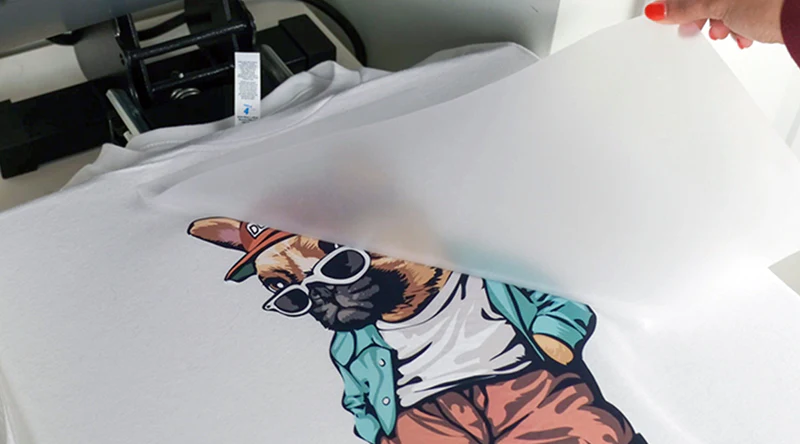
Direct-to-Film printing is a digital process that allows full-color artwork to be printed onto a specialized film, coated with adhesive powder, cured, and then heat-pressed onto fabric.
Unlike traditional screen printing, which requires individual screens for each color, DTF uses a digital workflow. This means:
- No color limitations
- No complex setup process
- No high minimum order requirements
- No expensive plate or screen preparation
Because of this streamlined workflow, DTF offers flexibility that aligns with modern ecommerce and small-batch production models.
It works effectively on:
- Cotton
- Polyester
- Blends
- Performance fabrics
- Dark and light garments
That fabric versatility alone gives it a significant advantage in today’s apparel market.
The Shift Toward Agile Apparel Production
In the past, apparel decoration favored scale over speed. Businesses often had to order hundreds — sometimes thousands — of units to make production economically viable.
That model no longer fits today’s market.
Now, brands launch:
- Limited edition drops
- Small-batch collections
- Region-specific designs
- Trend-based releases
- On-demand merchandise
DTF supports these models because production costs do not dramatically increase at lower volumes. Whether printing 10 shirts or 500, the workflow remains largely the same.
This agility is especially important for:
- Local businesses
- Print-on-demand brands
- Online creators
- Influencer merchandise
- Regional ecommerce stores
The ability to order consistent, professional-quality prints without inventory risk makes DTF an operational advantage.
Durability and Performance in Real-World Use
Print quality means little if it does not hold up after repeated washing.
DTF transfers, when properly cured and pressed, offer:
- Strong wash resistance
- Flexibility without cracking
- High color retention
- Smooth finish
- Durable adhesion
For customers, that translates to longer garment lifespan.
For businesses, it means fewer complaints and returns.
This performance is particularly important for:
- Workwear
- Gym apparel
- Streetwear
- Team merchandise
- Branded uniforms
DTF technology bridges the gap between digital convenience and long-term durability.
Ecommerce Growth and Localized Demand
One of the biggest drivers of DTF growth in the U.S. is localized search demand.
Consumers frequently search for:
- DTF printing near me
- Custom DTF transfers
- Fast DTF transfers
- Next-day DTF printing
- Local apparel printing services
Businesses that operate regionally can benefit from optimized landing pages targeting specific states or cities. Instead of relying solely on national traffic, they capture buyers who want fast, nearby solutions.
For example, regionally optimized pages such as DTF printing near me collections allow customers to find relevant production services quickly without navigating complex product structures.
This localized SEO approach pairs naturally with DTF’s flexible production model.
Customization Without Operational Complexity
Another reason DTF is gaining momentum is personalization.
Modern buyers expect:
- Name customization
- Small-batch team apparel
- Event-specific designs
- Limited-time releases
DTF makes these requests manageable because digital files can be adjusted quickly without rebuilding screens or restarting large production setups.
Additionally, services like custom DTF transfers allow customers to upload their own artwork, receive ready-to-press transfers, and apply them independently.
This hybrid model supports:
- Small print shops
- Etsy sellers
- Shopify store owners
- Local apparel decorators
- Micro-brands
DTF is not just a printing method — it’s an ecosystem that supports multiple business models.
Speed and Turnaround as Competitive Advantages
In today’s ecommerce landscape, speed influences purchasing decisions.
Short production timelines can:
- Increase conversion rates
- Improve customer satisfaction
- Support event-driven launches
- Enable reactive marketing campaigns
Because DTF requires minimal setup time, production can often begin immediately after file approval.
For brands running seasonal campaigns, event drops, or limited-time promotions, that responsiveness matters.
Faster fulfillment does not just create convenience — it creates competitive leverage.
Comparing DTF to Other Printing Methods
It’s important to clarify that DTF does not replace every other decoration method. Instead, it fills a critical gap.
Screen Printing
Best for large, repetitive runs.
Less flexible for small or variable batches.
Direct-to-Garment (DTG)
Strong for cotton garments.
Less adaptable across diverse fabric blends.
Heat Transfer Vinyl (HTV)
Good for simple graphics.
Limited for complex multi-color artwork.
DTF Printing
Balanced solution offering:
- Fabric versatility
- Full-color flexibility
- Low minimums
- Scalable production
This balance explains why adoption is accelerating nationwide.
Market Outlook for Direct-to-Film Printing in the U.S.
The American custom apparel industry continues expanding, driven by:
- Creator economy growth
- Localized ecommerce demand
- Micro-brand development
- Regional customization
- Print-on-demand integration
DTF aligns directly with these trends.
As digital commerce expands and consumer expectations evolve toward faster fulfillment and more personalization, production technologies must adapt accordingly.
DTF provides a foundation built for flexibility, speed, and durability — three factors that define modern apparel production.
Final Thoughts
The evolution of apparel decoration in the United States reflects broader shifts in how products are launched, marketed, and delivered.
Direct-to-Film printing stands out not because it is flashy or new — but because it solves real operational challenges facing modern brands.
By combining digital flexibility, fabric compatibility, and production efficiency, DTF printing services continue to gain ground across small businesses, ecommerce brands, and local operators nationwide.
For businesses navigating today’s competitive landscape, adaptability is no longer optional. Printing methods that support that adaptability will continue leading the market.
DTF has positioned itself as one of those methods.