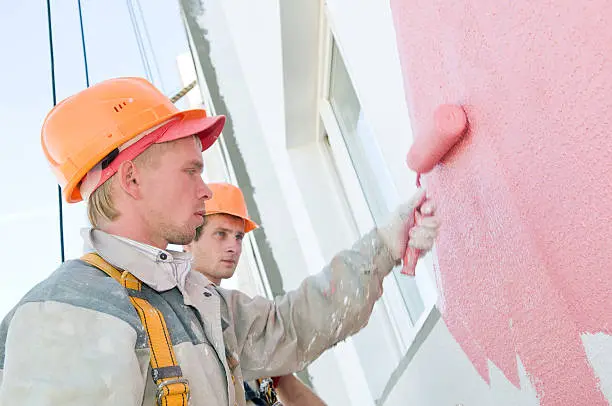
When you walk into a freshly painted office tower, shopping centre, hospital, or warehouse, you probably don’t think about the planning, coordination, and skill that went into every coat of paint. You just notice how clean, professional, and put-together everything feels.
But behind that polished finish is a team that understands much more than colour charts and rollers. In large-scale projects, experience isn’t just helpful—it’s essential. The difference between a smooth, stress-free result and a costly headache often comes down to who’s holding the contract.
Let’s take a closer look at why experience truly matters.
Large-Scale Projects Are About More Than Just Painting
Painting a bedroom at home is one thing. Painting a multi-storey office building or a large industrial facility is another story entirely.
Large projects involve:
- Multiple surfaces (concrete, steel, plasterboard, brick)
- Strict safety requirements
- Tight construction timelines
- Coordination with electricians, builders, and site managers
- Compliance with industry standards
An experienced team understands how all these moving parts connect. They know that painting isn’t the final decorative touch—it’s part of a broader construction or renovation process.
For example, in a hospital renovation, work may need to happen in stages so patient care isn’t disrupted. In a warehouse, certain coatings must withstand forklifts, chemicals, and heavy traffic. In retail spaces, finishes must be durable while also matching brand aesthetics.
Professionals with years of commercial experience understand these real-world demands. They don’t just show up with ladders—they show up with a plan.
Efficiency Saves Time, Money, and Stress
In large-scale projects, time is money. Delays can impact tenants, customers, and other contractors working on-site.
Experienced painters know how to:
- Estimate timelines accurately
- Allocate crews efficiently
- Prepare surfaces properly to avoid rework
- Use the right tools for high-volume coverage
Preparation is especially critical. Proper surface preparation—such as cleaning, sanding, patching, and priming—ensures paint adheres properly and lasts longer. Skipping steps might save a few hours upfront, but can lead to peeling, cracking, or premature wear.
Think of it like baking. If you rush the mixing process or ignore the oven temperature, the cake won’t turn out right. In construction, shortcuts often show up months later—and fixing them costs far more than doing it properly the first time.
An experienced team works methodically. They anticipate potential problems before they arise and build buffer time into their schedule when needed.
Knowledge of Materials Makes a Big Difference
Not all paint is created equal. In commercial settings, coatings often serve functional purposes beyond aesthetics.
For instance:
- Warehouses may need epoxy floor coatings to withstand heavy machinery.
- Healthcare facilities may require antimicrobial coatings.
- Coastal buildings may require weather-resistant systems to withstand salt air.
- High-rise structures require durable finishes to withstand UV exposure.
Understanding these materials means knowing how they react to humidity, temperature, and surface conditions. It also means complying with safety and environmental regulations.
When you’re dealing with large properties, paint isn’t just decoration—it’s protection. It shields structures from moisture, corrosion, and environmental damage. In fact, protective coatings are widely used in industries to prevent rust and structural deterioration.
Choosing the wrong system can shorten a building’s lifespan. Experienced teams guide clients through these decisions, explaining options in plain language and recommending solutions suited to the building’s purpose.
Safety and Compliance Are Non-Negotiable
Large commercial projects often involve working at heights, operating lifts, handling specialised coatings, and coordinating within active workplaces.
That’s where experience directly impacts safety.
Professionals understand how to:
- Implement proper site safety procedures
- Use scaffolding and elevated platforms correctly
- Protect the surrounding areas and workers
- Comply with workplace health and safety regulations
In many regions, construction safety laws are strict—and for good reason. A single mistake can lead to serious injury or project shutdowns.
Experienced contractors integrate safety into their workflow from day one. They hold toolbox meetings, conduct risk assessments, and maintain clear communication with site supervisors.
It’s not just about protecting workers. It’s also about protecting the client’s business operations and reputation.
Coordination With Other Trades
Large-scale builds are like orchestras. Electricians, plumbers, builders, tilers, and HVAC technicians all have their parts to play. Timing is everything.
If painters arrive too early, surfaces might not be ready. If they arrive too late, the project timeline suffers.
Experienced teams understand construction sequencing. They coordinate closely with project managers and other trades to ensure smooth transitions between stages.
For example:
- Painting may need to follow drywall installation but precede flooring.
- Protective coatings may require a curing period before equipment installation.
- Retail fit-outs may require after-hours work to avoid business disruption.
This level of coordination comes from working on similar projects repeatedly. It’s not guesswork—it’s experience in action.
Professional Finish Reflects Professional Business
For businesses, appearance matters.
Imagine walking into a corporate office with uneven finishes, visible roller marks, or peeling paint near high-traffic areas. It doesn’t inspire confidence.
A well-executed paint job contributes to branding, atmosphere, and employee morale. Clean lines and consistent finishes signal attention to detail.
This is where working with trusted commercial painting contractors becomes a strategic investment rather than just an operational expense.
In large-scale projects, the final finish must look cohesive across hundreds or even thousands of square metres. Colour consistency, surface smoothness, and durability all matter.
Experienced teams use advanced equipment, quality control checks, and systematic processes to ensure uniform results from one end of the property to the other.
Long-Term Value Over Short-Term Savings
It can be tempting to choose the lowest quote. But in commercial projects, cheap often becomes expensive.
Inexperienced providers may:
- Underestimate labour requirements
- Use lower-quality materials
- Rush preparation
- Miss compliance requirements
The result? Touch-ups, rework, warranty claims, and business disruptions.
On the other hand, experienced contractors focus on long-term performance. They understand that their reputation depends on durability and reliability.
A properly executed commercial paint system can last years longer, reducing maintenance costs and protecting the underlying structure. Over time, that durability offsets any initial price difference.
Think of it like investing in quality tools. They may cost more upfront, but they perform better and last longer.
Clear Communication Builds Trust
Large projects involve many stakeholders—property owners, facility managers, architects, and builders.
Experienced professionals know how to communicate clearly:
- Providing detailed quotes
- Explaining timelines
- Setting realistic expectations
- Offering progress updates
Clear communication prevents misunderstandings and helps clients feel confident throughout the process.
When issues arise—as they sometimes do in any construction environment—experienced teams address them calmly and efficiently. They’ve seen similar challenges before and know how to resolve them without escalating delays.
The Difference Experience Makes
At first glance, painting might seem straightforward. But when the scale increases, complexity increases too.
From technical product knowledge to safety management, from scheduling coordination to flawless finishing, experienced contractors bring more than labour—they bring insight.
In large-scale projects, that insight protects budgets, timelines, and reputations.
Whether it’s a high-rise office, an industrial warehouse, a healthcare facility, or a retail centre, the difference shows in the details. Clean lines. Even coverage. Durable finishes. On-time completion.
And while the paint itself may dry in a matter of hours, the impact of a well-executed project lasts for years.
When it comes to major commercial developments, experience isn’t a luxury—it’s the foundation of a successful outcome.