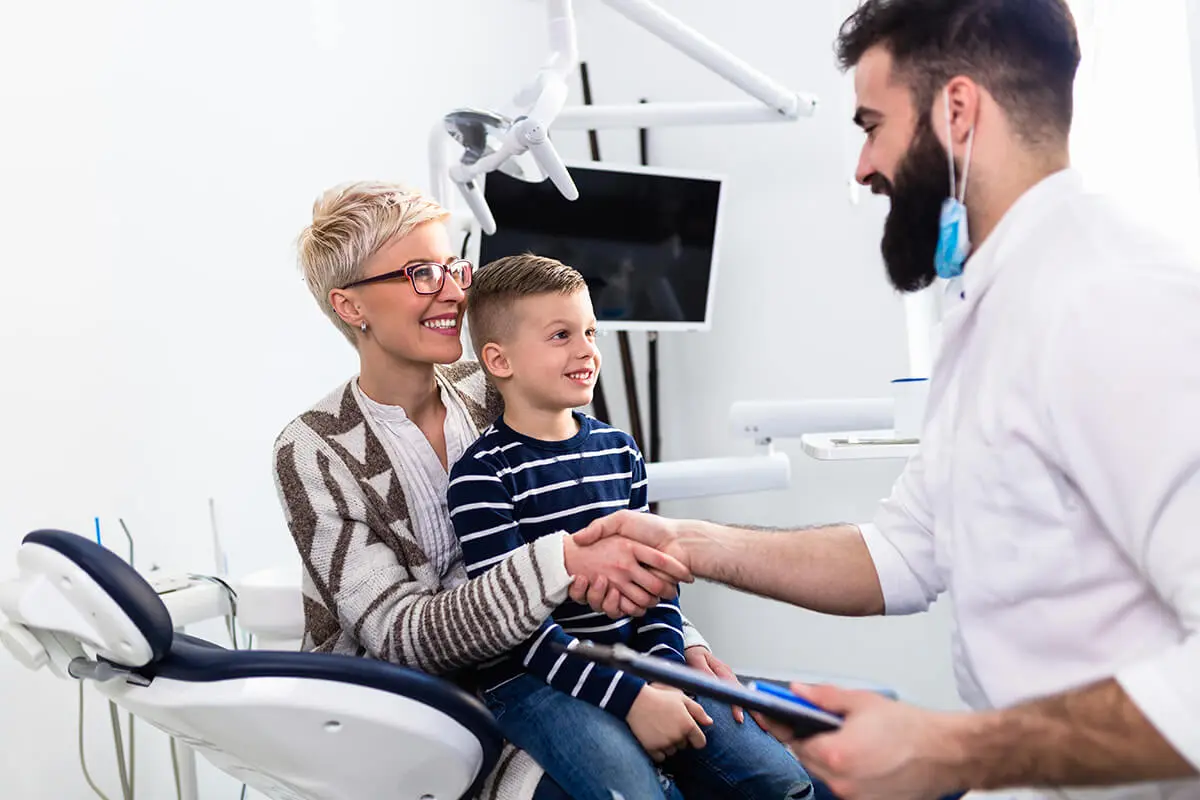
You might be feeling pulled in ten directions at once. You are trying to keep an eye on your kids’ teeth, reminding a teenager to floss, helping an aging parent manage health issues, and somewhere in the middle you are squeezing in your own overdue cleaning with a dentist in Silver Spring, MD. It can feel like everyone in the house has a different dental need, a different schedule, and a different level of anxiety about walking into a dental office.end
Because of this tension, you might wonder if you are missing something. Is there a simpler way to protect everyone’s oral health without spending all your free time in waiting rooms or juggling multiple providers. That is where a trusted family dentist becomes more than just another appointment. For multigenerational homes, family dentistry can act as a steady anchor for routines, education, and early prevention, so problems are caught before they turn into pain, expense, or emergencies.
In plain terms, when one dentist understands your whole family, care becomes easier to manage, issues are spotted earlier, and your home has one clear plan for keeping every smile healthy at every age.
Why does oral health feel so hard to manage in a multigenerational home?
Think about a typical week. A child complains about tooth sensitivity with cold drinks. A teen is worried about how their teeth look in photos. A grandparent is adjusting to dentures or dealing with dry mouth from medications. You might also be watching the budget and wondering which problems can wait and which ones cannot.
It does not help that oral health is often quietly pushed to the side. There is no urgent pain at first, so cleanings get delayed. Yet, as the Centers for Disease Control and Prevention (CDC) explains, untreated oral disease can affect eating, speaking, learning, and overall well being. In older adults, poor oral health can link with other health problems like diabetes and heart disease. For children, small cavities can quickly turn into infections.
So where does that leave you. Often, it leaves you reacting to problems instead of preventing them. A late night toothache. A broken filling. A child who suddenly needs urgent care before a school trip. When every generation has unique needs, it is easy to feel like you are always one step behind.
What makes family dentistry different for multigenerational homes?
Family dentistry focuses on caring for every age, from toddlers getting their first tooth checked to seniors managing complex medical histories. For a multigenerational household, that single point of care can be a relief.
Here is how a strong family dental care relationship can ease the pressure.
1. One trusted team that knows your whole family story
When the same office sees your child grow up, your teen through braces or aligners, and your parent through crowns or dentures, patterns become clear. The dentist notices that several family members have early gum issues. They see that cavities tend to appear in similar places. This history helps them tailor prevention, not just treat problems.
Instead of repeating medical histories at different offices, you have a single record. That saves time and reduces the chance of important details being missed, especially for older family members who may have multiple medications or conditions.
2. Age specific care under one roof
Different ages need different approaches.
- Young children need gentle visits that build trust and teach brushing habits.
- Teens may need help with wisdom teeth, orthodontic concerns, and sports mouthguards.
- Adults often focus on preventing gum disease and managing stress related grinding.
- Seniors may face dry mouth, tooth wear, tooth loss, or difficulty cleaning around bridges and implants.
A family dentist is trained to handle this full range. That means you are not constantly switching between pediatric dentists, general dentists, and specialists for routine needs. For complex cases, they can coordinate referrals and stay involved, so you always know who is guiding the big picture.
3. Consistent prevention for everyone
Prevention is the quiet work that keeps emergency visits away. The CDC’s oral health tips for adults highlight simple habits like brushing with fluoride toothpaste twice a day, flossing daily, and regular dental visits. The same basic rules apply to kids and older adults, but the details change with age and ability.
With one family dentist, your home gets a clear, shared set of routines. You hear the same messages about brushing, diet, and checkups, which makes it easier to turn those ideas into real habits. Children are more likely to copy what they see adults doing. When they watch a parent and a grandparent keeping their appointments and caring for their teeth, they understand that oral health is a normal part of life, not a scary punishment when something hurts.
4. Emotional comfort and reduced anxiety
Dental anxiety can affect any age. For some, it comes from a past bad experience. For others, it is simply fear of the unknown. In a multigenerational home, that anxiety can spread. If a child sees a parent dread the dentist, they may learn the same fear.
A familiar family practice can break that pattern. When everyone sees the same friendly faces, when the office knows your names and your preferences, visits feel less like a chore and more like catching up with a health partner. Over time, that reduces fear, which makes it easier to keep appointments and address problems early.
How does family dentistry compare to separate providers?
You might be wondering if it really matters. Is a dedicated family dentistry for multigenerational homes approach better than using different dentists for different ages. The answer depends on your situation, but the comparison below can help you think it through.
| Consideration | Family Dentist (One Office) | Separate Dentists for Each Age Group |
|---|---|---|
| Scheduling | Group or back to back visits. Fewer trips and easier coordination. | Multiple offices and calendars to manage. More time off work or school. |
| Medical History | One shared record. Dentist sees family patterns and risks. | Scattered information. Harder to connect family trends. |
| Cost Control | Better planning for preventive care and phased treatment. | Easier to miss early problems. Higher chance of urgent, costly care. |
| Anxiety & Comfort | Familiar team for everyone. Kids see adults model calm visits. | Different environments. Harder to build long term trust. |
| Education & Habits | Consistent guidance for the whole household. | Mixed messages and different advice. Easier for habits to slip. |
| Aging & Complex Needs | Same dentist adapts care as each person ages. | More handoffs between providers. Risk of gaps in care. |
There is no one right answer for every family. However, for homes where several generations share space, meals, and daily routines, having one trusted dentist usually makes prevention stronger and logistics easier.
What practical steps can your family take right now?
Knowing that coordinated care helps is one thing. Turning that into daily action is another. These steps can move you from feeling behind to feeling prepared.
1. Map out your family’s oral health picture
Start with a simple check in at home.
- List each family member and their last dental visit.
- Note any ongoing issues like sensitivity, bleeding gums, dry mouth, or missing teeth.
- Write down medications for older adults, since many affect oral health.
This quick overview helps you see what is urgent and where you can plan. It also gives a family dentist a clear starting point. If you are not sure what “good daily care” should look like, the National Institute of Dental and Craniofacial Research explains brushing, flossing, and other basics in simple terms you can share with everyone at home.
2. Choose one primary family dentist and set a shared routine
If you do not already have one, look for a dentist who welcomes patients of all ages and is comfortable working with children, adults, and seniors. When you call, ask practical questions.
- Do they offer family block appointments so several of you can be seen in one visit.
- How do they handle anxious patients, including kids and older adults.
- Are they experienced in coordinating care with physicians for patients who have chronic health conditions.
Once you have chosen, schedule checkups for everyone within a set window, such as two or three months. From there, keep a simple family calendar. Aim for regular cleanings every six months, or as recommended for specific conditions like gum disease.
3. Build small, shared habits that fit real life
Big changes rarely stick. Focus on small habits the whole household can manage.
- Make toothbrushing a shared routine for young kids. Brush your own teeth at the same time so they see it as normal.
- Keep floss or floss picks where adults and teens can easily reach them, such as next to the TV remote, to encourage use while relaxing.
- For older adults with limited mobility, ask your dentist about adaptive tools like thick handled brushes or water flossers.
- Keep sugary snacks and drinks as occasional treats, not daily habits, and talk as a family about how food affects teeth.
You do not need perfection. You need patterns that are good enough and steady. A supportive family dentist can help you adjust those patterns as seasons of life change.
Bringing every generation under one caring roof
Caring for several generations at once is a lot. You are not imagining the strain. There are schedules to juggle, bills to pay, and health worries that never really leave your mind. Oral health likely feels like just one more thing, until it suddenly becomes the urgent thing.
Choosing a trusted family dental practice gives you a partner who understands that your household is more than a list of separate patients. It is a web of relationships, habits, and shared routines. With one team guiding everyone, prevention becomes simpler, early problems are easier to catch, and each person, from the youngest to the oldest, has a clearer path to a healthy, comfortable smile.
You do not have to fix everything at once. Start by taking stock of where your family is today, reach out to a family dentist who feels aligned with your needs, and book those first checkups. From there, small, steady steps will do more for your multigenerational home than any quick fix ever could.