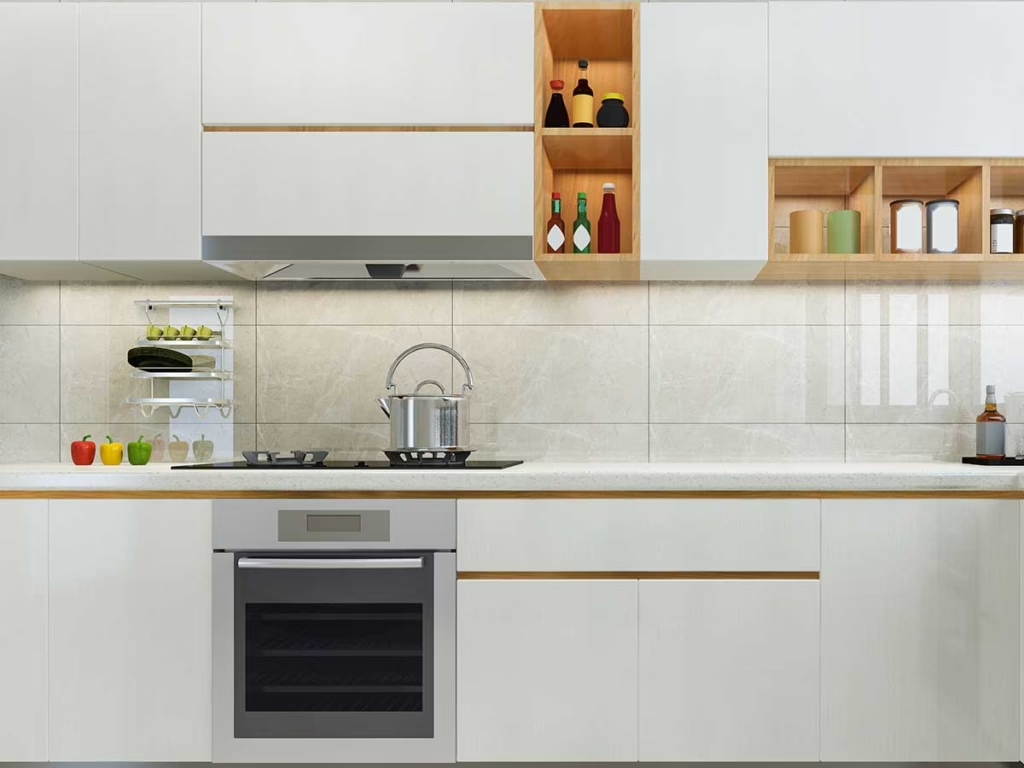
The way homeowners approach interior design and renovation is changing rapidly. In the past, cabinet suppliers focused almost exclusively on delivering standalone products kitchen cabinets, wardrobes or bathroom vanities leaving homeowners to coordinate installation, design alignment and complementary furnishings on their own. Today, that fragmented approach is steadily being replaced by comprehensive, one-stop interior solutions that simplify the entire process from concept to completion.
This shift is not just a trend; it reflects deeper changes in consumer expectations, lifestyle needs and the growing complexity of modern homes. One-stop interior solution providers are redefining how cabinetry fits into a holistic living environment rather than functioning as an isolated component.
The Limitations of Traditional Cabinet Suppliers
Traditional cabinet suppliers typically operate within a narrow scope. They offer a selection of cabinet styles, materials and finishes, often leaving homeowners responsible for design planning, measurements, contractor coordination and installation oversight. While this approach may work for small projects, it becomes increasingly inefficient for full home renovations or new builds.
Homeowners often encounter challenges such as mismatched aesthetics, delays caused by miscommunication between vendors and unexpected cost overruns. When cabinets are designed without full awareness of lighting plans, flooring materials, wall finishes or appliance layouts, the final result may feel disjointed. These limitations have led many homeowners to seek more integrated alternatives.
The Rise of One-Stop Interior Solutions
One-stop interior solutions address these pain points by offering an end-to-end service model. Instead of focusing solely on cabinetry, these providers manage design consultation, space planning, material selection, manufacturing, installation and post-installation support under a single framework.
This integrated approach allows for better coordination across every interior element, ensuring that cabinets align seamlessly with the overall design vision. From kitchens and wardrobes to living spaces and storage systems, cabinetry becomes part of a unified interior strategy rather than an afterthought.
Whole House Customization as the New Standard
A major driver behind this shift is the growing demand for Whole house customization. Modern homeowners are no longer satisfied with generic layouts or one-size-fits-all solutions. They want interiors that reflect their personal style, daily habits and long-term needs.
One-stop interior providers excel in this area because they design cabinetry in context. Kitchen cabinets are tailored to cooking habits, wardrobe systems are optimized for storage preferences and built-in units are designed to complement architectural features. This level of customization is difficult to achieve when cabinets are sourced independently from the rest of the interior design process.
Consistency in Design and Material Selection
Another advantage of integrated interior solutions is design consistency. When multiple vendors are involved, even minor differences in finishes, colors or materials can disrupt visual harmony. One-stop providers maintain control over the entire design palette, ensuring that cabinetry aligns with flooring, wall treatments, lighting and furniture.
This consistency is particularly important in open-plan homes, where kitchens, dining areas and living spaces flow together visually. Cabinets designed as part of a broader interior concept help create cohesive, balanced environments rather than segmented spaces.
Smarter Budget and Time Management
Cost transparency and timeline reliability are also key reasons why homeowners are moving away from traditional cabinet suppliers. Coordinating separate designers, cabinet makers, installers and contractors often leads to hidden costs and scheduling conflicts.
One-stop interior solutions streamline budgeting by consolidating services into a single project scope. This approach reduces redundancies, minimizes errors and allows for clearer cost forecasting. With one accountable team managing the process, projects are more likely to stay on schedule and within budget.
Technology and Innovation in Cabinet Design
Advancements in design software, manufacturing techniques and smart home integration have further accelerated the shift. One-stop providers often leverage 3D modeling, virtual walkthroughs and precision manufacturing to deliver highly accurate and customized cabinetry solutions.
These tools also play a role in identifying the Best Kitchen cabinet brands in 2026, as homeowners increasingly value innovation, durability, sustainability and design flexibility. Integrated interior firms are better positioned to evaluate and incorporate forward-thinking cabinetry solutions that meet evolving market standards.
Sustainability and Long-Term Value
Sustainability has become a major consideration in interior design decisions. One-stop interior solution providers tend to prioritize eco-friendly materials, efficient manufacturing processes and durable designs that reduce waste over time.
By designing cabinetry that fits precisely and functions efficiently, these providers help homeowners avoid frequent replacements or modifications. The result is a more sustainable investment that offers long-term value rather than short-term convenience.
Expertise and Accountability Under One Roof
Perhaps the most compelling advantage of one-stop interior solutions is accountability. With traditional cabinet suppliers, responsibility is often fragmented; design issues may be blamed on installers, while installation problems are blamed on product limitations.
In contrast, integrated providers assume responsibility for the entire outcome. Companies like George Cabinetry represent this modern approach by aligning design expertise, manufacturing precision and installation oversight within a unified system. This structure reduces friction and improves overall project outcomes.
Meeting the Expectations of Modern Homeowners
Today’s homeowners are more informed, time-conscious and design-savvy than ever before. They expect clear communication, professional guidance and results that align with their lifestyle. One-stop interior solutions meet these expectations by offering clarity, customization and convenience without compromising quality.
As homes continue to evolve into multifunctional spaces for living, working and entertaining, cabinetry must adapt accordingly. Integrated interior solutions are better equipped to design storage and cabinetry systems that support these changing needs.
Conclusion
The replacement of traditional cabinet suppliers by one-stop interior solutions is not a temporary shift; it reflects a fundamental change in how interiors are designed and delivered. By offering comprehensive services, seamless coordination and personalized design, integrated providers eliminate many of the challenges associated with fragmented renovation processes.
From Whole house customization to informed selection of the Best Kitchen cabinet brands in 2026 and the growing influence of providers like George Cabinetry, one-stop interior solutions are redefining cabinetry as part of a complete living experience rather than a standalone product. For homeowners seeking efficiency, cohesion and long-term value, this integrated approach is quickly becoming the preferred choice.