Pharmaceutical packaging is no longer just the final step in manufacturing. It has become a critical part of product safety, regulatory compliance, and brand trust. As medicines move through complex global supply chains, packaging must protect them from environmental exposure, handling damage, and contamination while ensuring that patients receive accurate and reliable information.
Modern pharmaceutical manufacturers understand that packaging quality directly affects drug stability and shelf life. A well-designed packaging process preserves the chemical integrity of medicines and reduces the risk of recalls, which can be costly and damaging to reputation.
The Role of Packaging in Pharmaceutical Safety
Every pharmaceutical product must remain safe and effective from the moment it leaves the production line until it is consumed. Packaging acts as the final protective barrier, shielding medicines from moisture, light, oxygen, and physical stress. It also plays a major role in preventing tampering and counterfeiting, which remain serious global concerns in the pharmaceutical industry.
In addition to protection, packaging ensures that dosage instructions, batch numbers, and expiration dates are clearly presented. This information is essential for both healthcare professionals and patients, making accurate labeling a legal and ethical requirement.
How Packaging Technology Supports Modern Manufacturing
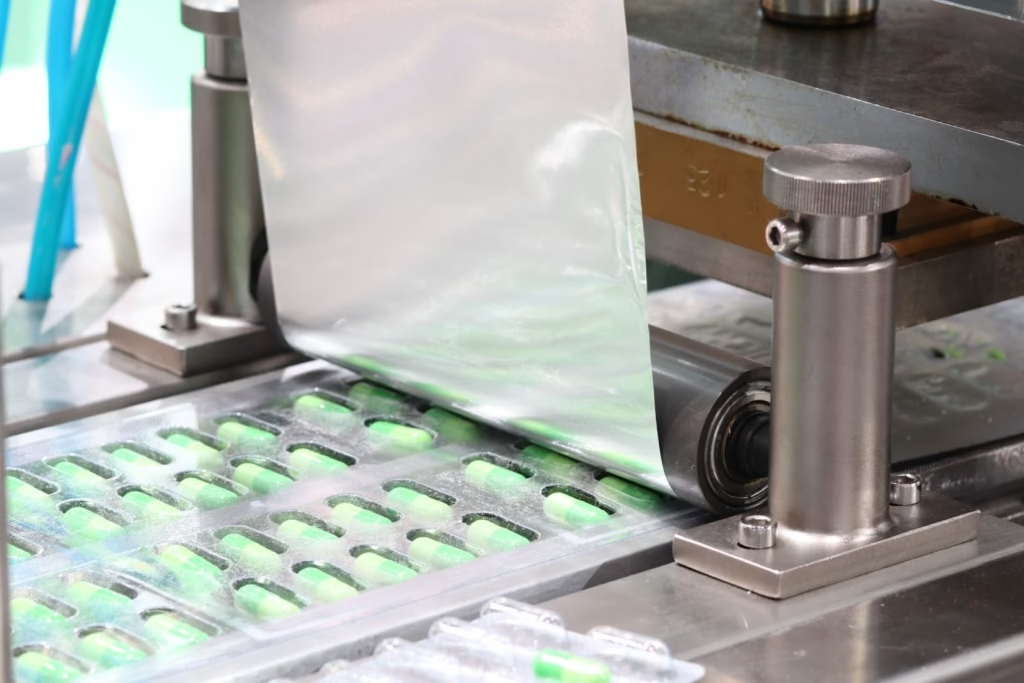
Advancements in pharmaceutical packaging technology have transformed how medicines are produced at scale. Automated packaging systems now allow manufacturers to maintain high output levels while reducing human contact, which significantly lowers contamination risks.
Precision-driven packaging machinery ensures consistent filling, sealing, and labeling, even during long production runs. These systems also support traceability by integrating batch coding and inspection technologies, helping manufacturers comply with international regulatory standards.
Manufacturers seeking reliable and efficient equipment often work with specialized suppliers such as www.richpacking020.com, which focuses on pharmaceutical packaging machinery designed to meet the demands of tablet, capsule, powder, and liquid production environments.
Selecting the Right Packaging Equipment Partner
Choosing pharmaceutical packaging equipment is not just a technical decision; it is a long-term investment in production stability and compliance. Equipment must be adaptable to different product types while maintaining accuracy and cleanliness. It should also support future production growth without compromising quality.
Working with experienced equipment providers allows manufacturers to implement packaging solutions that align with regulatory requirements and operational goals. This reduces downtime, improves consistency, and helps maintain a smooth manufacturing workflow.
The Future of Pharmaceutical Packaging
As pharmaceutical markets continue to expand, packaging solutions are evolving alongside them. Automation, digital monitoring, and sustainability are shaping the next generation of packaging systems. Manufacturers are increasingly focused on improving efficiency while reducing material waste and energy consumption.
Packaging is also becoming smarter, with technologies that improve traceability and supply chain visibility. These innovations help manufacturers respond quickly to quality issues and strengthen patient confidence in pharmaceutical products.
Final Thoughts
Pharmaceutical packaging is a cornerstone of safe medicine production. It protects product integrity, ensures regulatory compliance, and supports efficient manufacturing operations. By investing in advanced packaging technology and reliable equipment partners, pharmaceutical companies can strengthen quality control and meet the growing demands of modern healthcare markets.