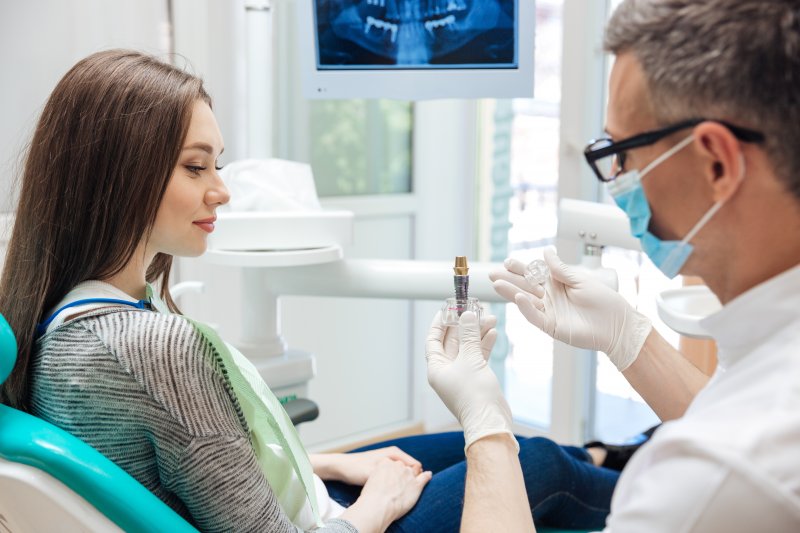
Preventive care should sit at the center of every family dental plan. You protect your home and your car before something breaks. Your teeth deserve the same protection. Routine cleanings, checkups, and X rays catch small problems before they grow into pain, infection, or tooth loss. Early care costs less money and time than emergency treatment. It also protects your ability to eat, speak, and smile with confidence. Children learn healthy habits when they see you keep regular visits. That pattern can guide them through life. Adults lower their risk of gum disease, decay, and other health problems that often start in the mouth. A strong plan starts with a trusted provider. A dentist in Dekalb il can help you build a schedule that fits your family and your budget. You do not need to wait for pain. You can choose steady protection now.
- What Preventive Dental Care Really Means
- Why Preventive Care Saves Your Family Money
- How Preventive Care Protects Your Whole Body
- Why Children Need Strong Preventive Dental Plans
- Why Adults Still Need Preventive Care
- How To Build A Preventive Focused Family Dental Plan
- When You Should Call Your Dentist
- Make Preventive Care Your Cornerstone
What Preventive Dental Care Really Means
Preventive care is simple. You keep your mouth clean. You see your dentist on a set schedule. You fix small issues early.
Most family plans should cover three basic parts:
- Routine checkups and cleanings
- X rays on a set schedule
Each visit gives your dentist time to look for decay, gum disease, and signs of infection. The care feels small. The impact is large. You stay out of the dental chair for painful and costly work.
Why Preventive Care Saves Your Family Money
Tooth decay is common. The Centers for Disease Control and Prevention explains that more than half of children have had a cavity by age eight. You can read more at the CDC resource on children’s oral health. Regular cleanings and early fillings cost less than crowns, root canals, or extractions.
Here is a simple comparison of typical care. The numbers are sample ranges and will change by location and plan. The pattern stays the same. Early care costs less than crisis care.
| Type of Care | When It Happens | Typical Visit Count | General Cost Range |
|---|---|---|---|
| Routine exam and cleaning | Every 6 months | 2 visits per year | Low |
| X rays | Every 1 to 2 years | 1 visit segment | Low |
| Fluoride and sealants for children | As advised | Varies | Low to medium |
| Filling for small cavity | After decay starts | 1 visit | Medium |
| Root canal and crown | After deep decay or infection | Multiple visits | High |
| Extraction and tooth replacement | After tooth loss | Several visits | High |
First, you spend a little on regular care. Next, you avoid large bills for complex work. Finally, you miss fewer days of school and work.
How Preventive Care Protects Your Whole Body
Your mouth connects to the rest of your body. Gum disease is linked to heart disease, diabetes, and other long-term health problems.
Regular cleanings clear away plaque. Routine exams catch early signs of infection. Quick treatment lowers swelling in your gums. That also lowers strain on your heart and immune system.
In short, you protect:
- Your teeth and gums
- Your heart and blood vessels
- Your blood sugar control
Why Children Need Strong Preventive Dental Plans
Children build patterns fast. When you bring them for regular visits, they learn that dental care is normal. They fear it less. They care for their teeth more.
Strong preventive plans for children often include:
- First dental visit by age one or within six months of first tooth
- Cleanings and exams every six months
- Fluoride varnish and sealants on back teeth
These simple steps cut the risk of cavities and pain. They also help with speech, eating, and growth. Healthy baby teeth guide healthy adult teeth.
Why Adults Still Need Preventive Care
Many adults delay care until they feel pain. That choice often leads to broken teeth and gum disease. Routine visits help you keep your natural teeth longer. They also reveal signs of oral cancer, dry mouth, and wear from grinding.
A strong plan for adults should include:
- Two cleanings and exams each year
- X-rays as advised by your dentist
- Extra visits if you smoke or have diabetes
Early treatment keeps you out of emergency rooms. It protects your ability to eat healthy food and speak clearly.
How To Build A Preventive Focused Family Dental Plan
You can shape your plan around three simple goals.
First, you review your current coverage. Look for full coverage of exams, cleanings, and X-rays. Ask for clear limits and copays.
Second, you set a family schedule. Put two dental visits a year on your calendar for each person. Link them to other yearly events so you remember them.
Third, you create home habits that match your plan. Brush twice a day with fluoride toothpaste. Floss once a day. Limit sugary drinks and snacks. Replace toothbrushes every three months.
When You Should Call Your Dentist
Do not wait for severe pain. Call your dentist if you or your child has:
- Ongoing tooth or jaw pain
- Bleeding gums
- Bad breath that does not go away
- Chipped, cracked, or loose teeth
- Spots or sores in the mouth that last more than two weeks
Quick care often means a small fix instead of a major one. Your future self will thank you for acting early.
Make Preventive Care Your Cornerstone
Your family dental plan should do more than pay for emergencies. It should protect your health every day. When you place preventive care at the center, you save money, time, and energy. You also give your children a strong start. You can choose that path today by booking routine visits, asking clear questions about coverage, and keeping steady home care. Your teeth, your body, and your family will feel the difference.