Dental pain strikes fast. You might wake at night with a swollen face or crack a tooth on a simple snack. These moments feel sudden. Yet many emergencies start small. A tiny cavity. Bleeding gums. A missed cleaning. Regular checkups and cleanings stop small problems from turning into urgent visits and high bills. You protect your teeth. You protect your time. You protect your peace of mind. When you see a dentist in Castro Valley, CA for routine care, you give your mouth a steady defense. You catch decay early. You treat gum disease before it spreads. You lower your risk of infections that can affect your whole body. This blog explains how simple preventive steps reduce dental emergencies, what to watch for, and when to seek help fast. You deserve a mouth that does not surprise you with sudden pain.
How Small Problems Turn Into Dental Emergencies
Every emergency has a story. Often it begins with three warning signs.
- A small spot of pain when you chew
- Gums that bleed when you brush
- A chipped tooth that feels rough
At first, you may ignore these signs. You might tell yourself you will call next week. Then decay reaches the nerve. Or the infection spreads into the jaw. Or a weak tooth breaks during a meal. Routine care breaks this chain. You find trouble early. You treat it while treatment is still simple and low cost.
What Preventive Dental Care Includes
Preventive care is not complex. It is a steady pattern of three steps.
- Daily home care
- Regular office visits
- Fast action when something feels wrong
Daily home care means brushing twice a day with fluoride toothpaste and cleaning between teeth once a day. You remove food and plaque before they harden. You lower your risk of cavities and gum disease.
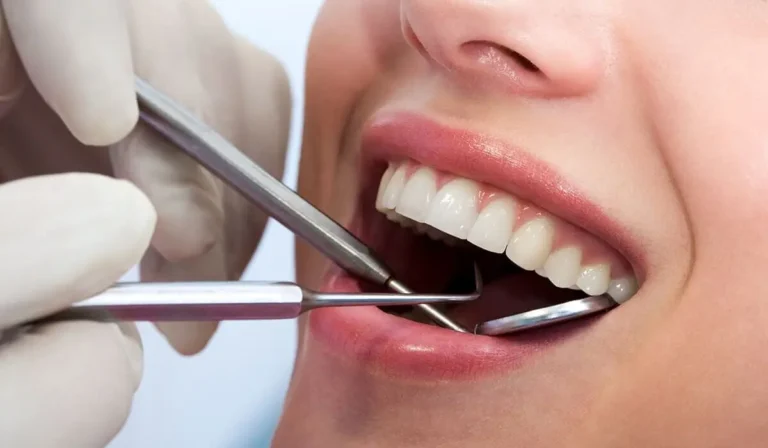
Regular office visits mean exams and cleanings about every six months, or more often if your dentist suggests. A hygienist removes hardened plaque that a brush cannot touch. A dentist checks for decay, gum disease, loose fillings, and oral cancer.
Fast action means you call when you notice new pain, swelling, or a loose tooth. You do not wait for the pain to become sharp or constant. You give your dentist a chance to use simple care instead of emergency care.
What The Research Shows
Preventive care does more than protect teeth. It cuts the need for emergency room visits and hard treatment. Studies from public health experts show this clear link.
You can see the pattern in this simple comparison.
| Type of dental care pattern | Typical visit frequency | Common results over time |
|---|---|---|
| Regular preventive visits | Exam and cleaning about every 6 months | Fewer cavities. Fewer extractions. Lower chance of sudden pain. |
| Occasional problem visits only | Visit only when in pain | More broken teeth. More infections. Higher cost per visit. |
| No dental visits | Years between visits | Severe decay. Gum disease. High risk of emergency room use. |
The Centers for Disease Control and Prevention explains that untreated cavities are common in both children and adults and that regular checkups help catch these early. You can read more at the CDC oral health page at https://www.cdc.gov/.
How Preventive Care Protects Your Whole Body
Your mouth is part of your body. Infection in your gums or teeth can affect your general health. Bacteria from gum disease can enter the blood. This can stress the heart and lungs. It can make blood sugar harder to control for people with diabetes.
The National Institute of Dental and Craniofacial Research explains the link between gum disease and other health problems. You can learn more at https://www.nidcr.nih.gov/health-info/gum-disease/more-info.
When you prevent gum disease and tooth infection, you also protect your ability to eat, speak, and sleep without pain. You guard your work hours and your child’s school days. You also protect your mood. Ongoing mouth pain can drain energy and patience.
Simple Daily Habits That Prevent Emergencies
You do not need complex tools. You need three steady habits.
- Brush twice every day with fluoride toothpaste for two minutes
- Clean between teeth once every day with floss or another tool your dentist suggests
- Limit sugary drinks and snacks, especially between meals
Also, try to drink tap water that has fluoride if your community offers it. Fluoride helps harden tooth enamel. You can ask your local water system or dentist if your water has fluoride.
For children, add two more steps. Start dental visits by the first birthday or when the first tooth appears. Also, help your child brush until at least age 7 or 8. Children often miss the back teeth and gum line.
When A Problem Needs Fast Dental Care
Preventive care reduces emergencies but does not erase all risk. You still need to know when to seek fast care. Call a dentist or urgent care if you notice any of these signs.
- Face or gum swelling
- Strong pain that does not fade
- Knocked out tooth
- Cracked tooth with sharp edges or pain when you bite
- Bleeding that does not stop after you press with a clean cloth or gauze
If you have trouble breathing or swallowing, call emergency services right away. This can signal a serious infection.
Planning Ahead For Your Family
One plan protects your whole household. You can follow three simple steps.
- Set regular checkups for every family member and keep them
- Write your dentist’s phone number in your phone and on your fridge
- Talk with your dentist about a plan for after-hours care
For older adults, ask about dry mouth and tooth wear. For children and teens, ask about sealants and sports mouth guards. These simple tools prevent many broken and decayed teeth.
Take The Next Step Today
You do not need to wait for pain to act. You can call a dental office now and book a checkup. You can buy fluoride toothpaste today. You can set a reminder to floss every night.
Preventive care is not about perfection. It is about steady effort. Small habits, repeated over time, protect you from many dental emergencies. You deserve a calm mouth, steady sleep, and a body free from the stress of sudden tooth pain.