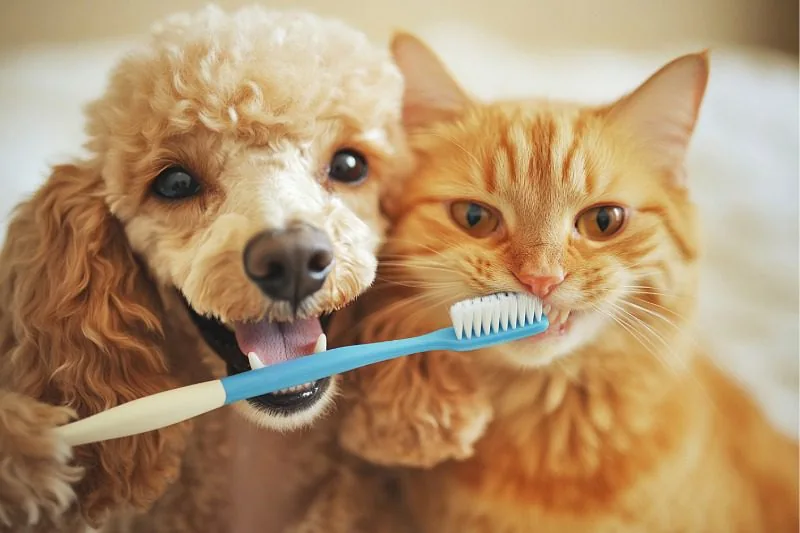
Your pet depends on you for everything. Food. Safety. Comfort. Yet many pet owners overlook one simple thing. Teeth. Dental care at animal hospitals protects your pet from quiet pain and slow damage. Infection in the mouth spreads through the body. It harms the heart, liver, and kidneys. It also makes every meal hurt. You may see only bad breath or slight drool. Under the gums, disease grows. Routine dental checks catch small problems early. Cleanings remove stubborn plaque and tartar. Treatment stops loose teeth and deep infection. At Queen West animal hospital, trained staff use safe tools and clear steps. They work to keep your pet calm and steady. You gain clear answers and a plan you can follow. Strong teeth help your pet eat, play, and rest. When you protect the mouth, you protect the whole body.
How Dental Disease Hurts Your Pet
Disease in the mouth starts small. Soft plaque coats the teeth. Bacteria hide in it. Over time, this film hardens into tartar. Gums swell and pull away from the teeth. Small pockets form. Food and germs settle deep inside.
This process causes three major harms.
- Pain with chewing and playing
- Tooth loss and broken teeth
- Spread of infection through the blood
Research from the American Veterinary Medical Association shows that most dogs and cats have some dental disease by age three. Many still eat and play, so you may miss the signs. Your pet suffers in silence.
Why Home Brushing Is Not Enough
Regular brushing at home helps. It slows plaque. It keeps breath less strong. Yet it does not replace care at an animal hospital. You cannot see below the gumline. You cannot remove hard tartar that clings like cement.
A hospital team uses three key tools.
- Dental x rays to see roots and bone
- Ultrasonic scalers to remove tartar
- Polishers to smooth teeth and slow new buildup
These steps reach places you cannot touch at home. They also allow safe removal of painful or infected teeth. That work protects the rest of the mouth and the organs that share the same blood.
What To Expect During A Dental Visit
Many families fear dental visits for their pets. Clear steps ease that fear. Most hospital dental care follows this pattern.
- Pre exam. The vet checks the mouth, heart, and lungs. Blood tests help find hidden risk.
- Anesthesia. Your pet sleeps. This keeps them still and free from pain.
- Cleaning. Staff clean above and below the gums. They rinse away debris.
- X rays. Images show roots, bone loss, and hidden infection.
- Treatment. The vet pulls dead teeth or treats deep pockets.
- Home plan. You get clear steps for brushing, diet, and checkups.
The U.S. Food and Drug Administration explains that anesthesia is needed to allow safe cleaning under the gums. Awake pets cannot handle this level of care. Careful screening and monitoring keep the risk low.
Common Signs Your Pet Needs Dental Care
Watch for these three warning signs at home.
- Strong or sudden bad breath
- Red or bleeding gums
- Change in chewing or dropping food
Other signs include pawing at the mouth, face swelling, or yellow and brown buildup on teeth. Any one of these signs means you should call an animal hospital soon. Quick action often prevents long, harsh treatment later.
Home Care And Hospital Care Compared
Both home care and hospital care matter. They work together. The table below shows how they differ.
| Type of care | Who does it | How often | What it can do | What it cannot do |
|---|---|---|---|---|
| Tooth brushing at home | You or family | Daily or several times a week | Reduces soft plaque. Helps breathe. Slows new buildup. | Cannot remove hard tartar. Cannot treat deep gum disease. |
| Dental treats and rinses | You or family | As directed on product | Adds support when brushing is hard. Helps reduce bacteria. | Cannot replace brushing or cleanings. Cannot fix bad teeth. |
| Professional dental cleaning | Vet team at animal hospital | Every 6 to 24 months, as advised | Removes tartar. Cleans under gums. Finds hidden disease. | Needs anesthesia. Cannot stay effective without home care. |
| Dental x rays and treatment | Vet at animal hospital | When disease is present | Finds root problems. Treats infection. Removes dead teeth. | Cannot stop new disease if home care and checkups lapse. |
How Often Your Pet Needs Dental Care
Needs differ by age, breed, and health. Small dogs and flat-faced breeds often need cleanings more often. Older pets and pets with diabetes or kidney disease also face a higher risk.
Use these general steps.
- Puppies and kittens. Dental check as part of each vaccine visit.
- Healthy adults. Full mouth check at least once a year. Cleaning as needed.
- Seniors. Mouth checks every six months. More often, if the disease is present.
Your vet will guide you. If you see new signs of pain, drool, or swelling, do not wait for the next routine visit. Call right away.
Taking The Next Step For Your Pet
Dental disease steals joy from pets. It turns eating and play into a quiet struggle. Animal hospital care breaks this pattern. It cleans what you cannot reach. It stops infection before it spreads. It gives your pet a strong mouth and a safer body.
Start with one choice. Call an animal hospital. Ask for a dental check. Bring your questions. You protect your pet every day with food, shelter, and love. Add teeth to that list. Your pet cannot ask for help. You can.