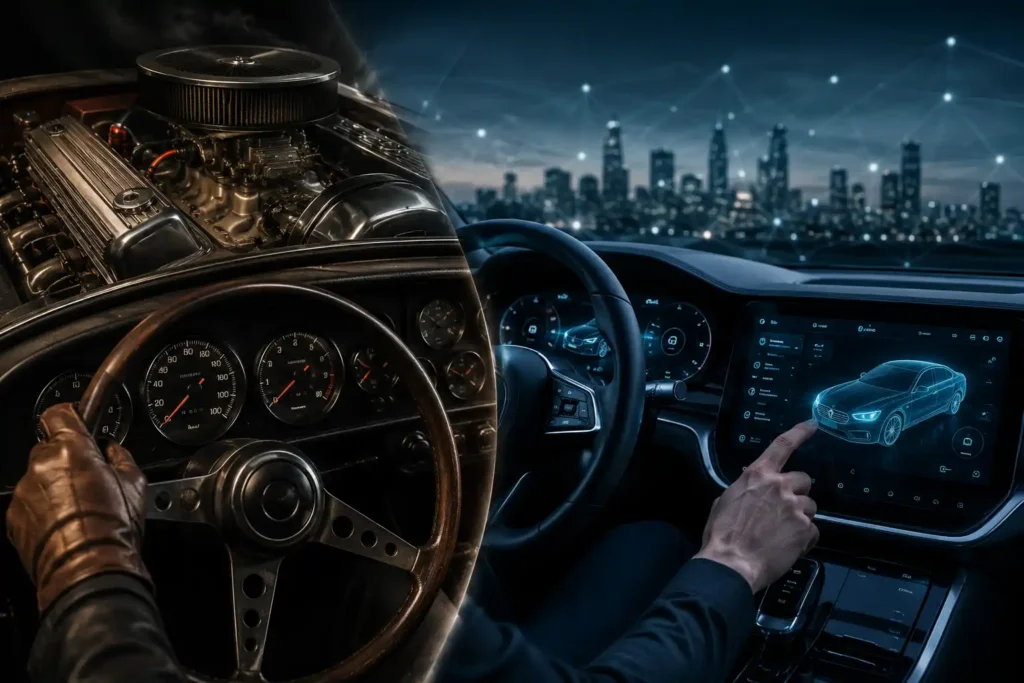
For decades, automotive prestige was measured through mechanical performance. Horsepower figures, engine displacement and acceleration times shaped how cars were marketed and admired. Performance badges carried cultural weight because they represented engineering capability in its most visible form.
That hierarchy is beginning to change.
While speed and power still matter to enthusiasts, the modern automotive industry increasingly defines innovation through software, connectivity and digital experience. Today’s premium vehicles compete as much on processing power as mechanical output. Interfaces, autonomous features, over-the-air updates and intelligent ecosystems now influence consumer perception in ways that once belonged almost exclusively to engines.
The shift reflects a broader cultural transformation. Cars are no longer judged solely as machines. They are becoming digital environments.
The Dashboard Has Become the Centrepiece
In older vehicles, the engine was the emotional focal point. Marketing campaigns celebrated exhaust notes, torque figures and mechanical refinement. Inside the cabin, technology largely existed to support driving rather than define the experience.
Modern interiors operate differently.
Large digital displays, AI-assisted navigation, predictive software and connected services now dominate automotive design language. In some vehicles, the dashboard resembles a technology platform more than a traditional cockpit.
This evolution has changed how drivers interpret quality and status. Fast processors, seamless interface design and intelligent software updates increasingly signal sophistication in the same way large engines once did.
Consumers have also become more sensitive to digital friction. Lagging touchscreens, confusing menus or unreliable voice controls can damage the perceived value of an otherwise premium vehicle. Meanwhile, intuitive software experiences create a sense of modernity even in cars without extreme performance credentials.
The automotive industry has effectively entered the user experience economy.
Performance Is Becoming Invisible
Electric vehicles have accelerated this cultural shift because they fundamentally alter how performance is experienced.
Traditional performance cars communicated power through sound, vibration and mechanical drama. EVs often deliver rapid acceleration with almost complete silence. The sensation remains impressive, but the emotional cues are different.
As a result, manufacturers increasingly focus on software-driven experiences to create distinction. Intelligent suspension systems, adaptive driving modes, predictive navigation and personalised cabin environments now contribute heavily to a vehicle’s identity.
In many cases, the most technologically advanced cars no longer appear mechanically aggressive at all. Minimalist design, quiet cabins and clean interfaces have become part of modern luxury aesthetics.
This reflects a wider change in status culture beyond the automotive world. Wealth and sophistication are increasingly communicated through seamless functionality rather than overt display. Cars are following the same trajectory.
Connectivity Is the New Luxury Feature
There was a time when luxury automotive features meant leather upholstery, larger engines or advanced sound systems. Today, connectivity often carries greater perceived value.
Drivers now expect vehicles to integrate naturally with digital life. Smartphone ecosystems, cloud-based profiles, live software updates and app-controlled functions influence purchasing decisions in ways that would have seemed unlikely a decade ago.
The expectation is no longer simply that a car should drive well. It should think intelligently, adapt to behaviour and remain technologically current long after purchase.
This creates a very different relationship between manufacturers and consumers. Vehicles increasingly function like evolving software products rather than static mechanical objects.
It also explains why some of the world’s most influential automotive companies are now discussed alongside technology brands rather than traditional manufacturers alone.
Car Identity Is Becoming More Curated
As technology standardises performance across many vehicles, personalisation becomes more culturally important.
When acceleration figures become less emotionally distinctive, drivers often look for alternative ways to express individuality. Exterior styling, lighting signatures, wheel choices and subtle design modifications take on greater significance.
This trend is especially visible within younger automotive communities shaped by social media. Cars are photographed, filmed and shared constantly, meaning visual identity matters as much online as it does on the road.
Even relatively small aesthetic details contribute to this broader sense of curation. Personalisation is increasingly about creating a cohesive visual and digital identity around the vehicle itself. Companies like Number 1 Plates exist within that wider culture of automotive presentation, where motorists seek details that make increasingly software-driven vehicles feel more individual and recognisable.
The emphasis is less about raw modification and more about controlled visual expression.
The Psychology of Intelligent Cars
One of the more interesting consequences of software-led automotive design is the emotional relationship drivers develop with intelligent systems.
People tend to assign personality traits to responsive technology. Smooth navigation systems, adaptive assistants and predictive features can create a sense that the vehicle understands its owner. Frustrating interfaces, on the other hand, quickly generate distrust.
This means software design now shapes emotional attachment in ways traditionally associated with mechanical engineering.
Drivers may not understand how a vehicle’s operating system works internally, but they immediately notice whether interactions feel intuitive. The experience becomes psychological as much as functional.
Automotive brands therefore compete not only on engineering quality, but also on digital behaviour — how calm, intelligent and responsive the car feels in everyday use.
That is a significant departure from the automotive culture of previous decades.
Enthusiasts Are Divided on the Transition
Not everyone welcomes this shift equally.
Traditional enthusiasts often argue that software-heavy vehicles reduce emotional engagement by isolating drivers from the mechanical aspects of driving. Touchscreen-focused interiors, artificial sound design and increasing automation can feel detached from the analogue experience many enthusiasts value.
At the same time, a younger generation of drivers has grown up in fully connected digital environments. For them, intelligent interfaces and constant connectivity feel entirely natural inside vehicles.
This generational divide may shape automotive culture throughout the next decade. Some drivers will continue chasing mechanical purity and tactile involvement, while others embrace technology-led convenience and digital refinement.
Manufacturers are increasingly trying to satisfy both audiences simultaneously.
The Meaning of Automotive Prestige Is Changing
The modern prestige car no longer needs to be loud, aggressive or mechanically theatrical to command attention.
Increasingly, status comes from subtle intelligence: a seamless interface, a calm interior, autonomous capability or software that quietly improves the ownership experience over time.
Horsepower still matters, particularly within enthusiast culture, but it no longer defines innovation on its own. Processing power, connectivity and user experience now shape how vehicles are valued both culturally and commercially.
Cars are becoming reflections of the digital world around them — environments built as much around information and interaction as engineering tradition.
The future of automotive design may therefore belong not to the loudest engines, but to the smartest systems.