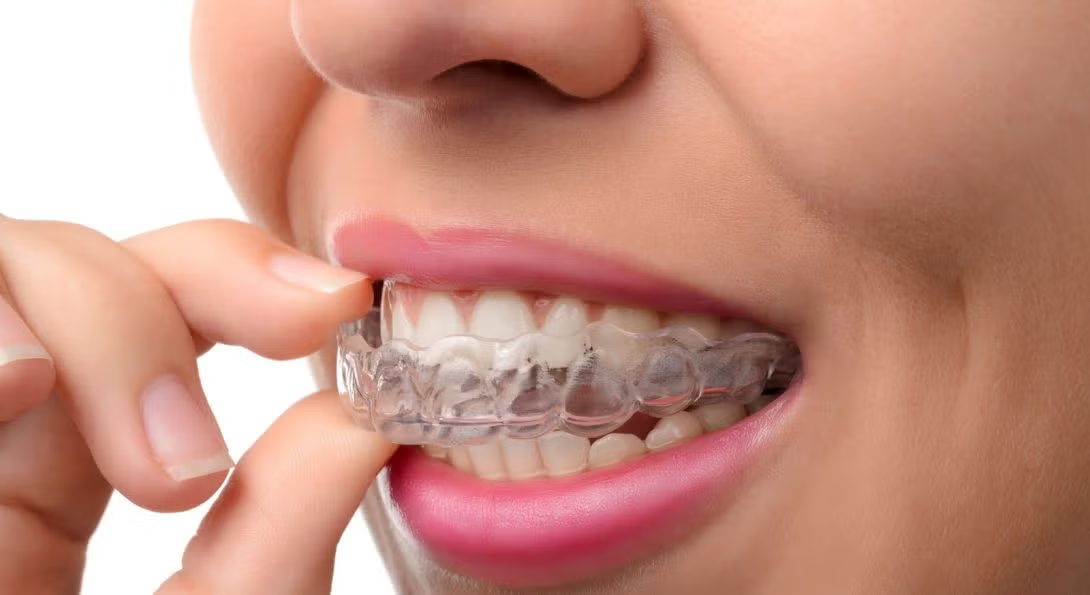
Crooked or crowded teeth can drain your confidence and strain your mouth. You might hide your smile, avoid photos, or feel tension when you chew. You may also worry that fixing it means metal brackets and wires. Clear aligners offer another path. These thin, custom trays move your teeth step by step. They support change for mild to moderate dental alignment issues such as small gaps, crowding, and certain bite problems. Treatment often fits into your daily life with fewer office visits and no sharp hardware. You remove aligners to eat, brush, and floss, which helps you keep your mouth clean. A dentist in Cumberland ga can check your teeth, review your goals, and build a clear plan. You gain straight teeth, better function, and a calm mind about your smile.
What Clear Aligners Are And How They Work
Clear aligners are snug plastic trays that fit over your teeth. Each set moves your teeth a small amount. You switch to a new set after a set time, often every one to two weeks.
Here is what happens during treatment.
- Your dentist or orthodontist examines your teeth and gums.
- They take digital scans or molds of your mouth.
- They design a step by step plan that shows how your teeth will move.
- A series of aligners is made for your mouth.
- You wear the trays most of the day and night.
The gentle pressure guides your teeth into better positions. You do not feel sudden force. Instead you feel steady pressure that fades as your teeth move.
Problems Clear Aligners Can Help Fix
Clear aligners work best for mild to moderate alignment issues. You still need an exam to see if they fit your needs. In many cases you can expect help with these problems.
- Crowding. Teeth overlap or twist because there is not enough space.
- Spacing. Gaps show between teeth.
- Mild overbite. Top teeth sit too far over the bottom teeth.
- Mild underbite. Bottom teeth stick out past the top teeth.
- Crossbite. Some top teeth bite inside the bottom teeth.
- Open bite. Front teeth do not touch when you close your mouth.
For severe bite problems or large rotations you may need braces or other tools. Your provider will explain your options in clear terms.
Clear Aligners Compared To Traditional Braces
You should see how clear aligners stack up against metal braces. The table gives a simple side by side view for common concerns.
| Feature | Clear Aligners | Traditional Braces |
|---|---|---|
| Appearance | Plastic trays that are hard to see | Metal or ceramic brackets with wires |
| Comfort | Smooth surface with no wires that poke | Brackets and wires that can rub cheeks and lips |
| Daily cleaning | Remove trays to brush and floss as usual | Brush and floss around brackets and wires |
| Food choices | Remove trays before eating | Avoid sticky or hard food that can break parts |
| Visit frequency | Checks often every 6 to 8 weeks | Adjustments often every 4 to 6 weeks |
| Best for | Mild to moderate alignment issues | Mild to severe alignment and bite issues |
This comparison can guide your first thoughts. You still need a personal plan from a licensed provider.
Health Benefits Beyond A Straighter Smile
Aligned teeth do more than change how you look. They also support mouth health. When teeth crowd or tilt, plaque and food collect in hidden spots. That build up can lead to tooth decay and gum disease.
The Centers for Disease Control and Prevention explains how common gum disease is in adults and how it links to tooth loss.
Clear aligner treatment can help you.
- Reach surfaces with your toothbrush and floss.
- Spread chewing force across your teeth.
- Ease strain on jaw joints and muscles.
Aligned teeth also collect less plaque around the gumline. That can support steady gum health when you keep up with cleaning at home and regular checkups.
What Treatment Involves Day To Day
You need steady effort for clear aligners to work well. The routine is simple yet strict. Most dentists suggest that you wear trays 20 to 22 hours each day. You only remove them to eat, drink anything that is not water, brush, and floss.
Your daily steps often look like this.
- Rinse aligners with cool water before putting them in.
- Brush and floss after meals before you put trays back.
- Store trays in their case when not in your mouth.
- Clean trays as directed so they stay clear and odor-free.
Every one to two weeks, you change to the next set of trays. You may feel tightness for a day or two as teeth start to move. That feeling often fades fast.
Safety And Choosing A Qualified Provider
Your teeth and jaw are part of your body. They need safe care. Mail-order aligners and unsupervised plans can carry risk. You may not get X-rays or an exam to check the bone, roots, or hidden decay. That lack of review can cause harm that is hard to fix.
The American Dental Association warns about unsupervised orthodontic care.
To protect your health, you should.
- Choose a licensed dentist or orthodontist who examines your mouth in person.
- Ask whether clear aligners are safe for your teeth and gums.
- Review the plan, length of care, and total cost in writing.
- Keep regular visits so your provider can track your progress.
If your dentist finds gum disease, cavities, or bone loss, you may need treatment before aligners. That step guards your long-term health.
Is Clear Aligner Treatment Right For You
You might feel stuck between wanting change and fearing braces. Clear aligners may offer a middle path. They can fit your daily life, protect your comfort, and still move your teeth in steady steps.
You are a good match if you have.
- Mild to moderate crowding or spacing.
- Healthy gums and teeth, or a plan to treat problems first.
- The discipline to wear trays as directed.
The next move is simple. Schedule an exam with a trusted provider. Ask clear questions. Share what bothers you about your bite and your smile. With careful planning and your steady use, clear aligners can guide your teeth into better positions and help you feel calm when you smile, talk, and eat.