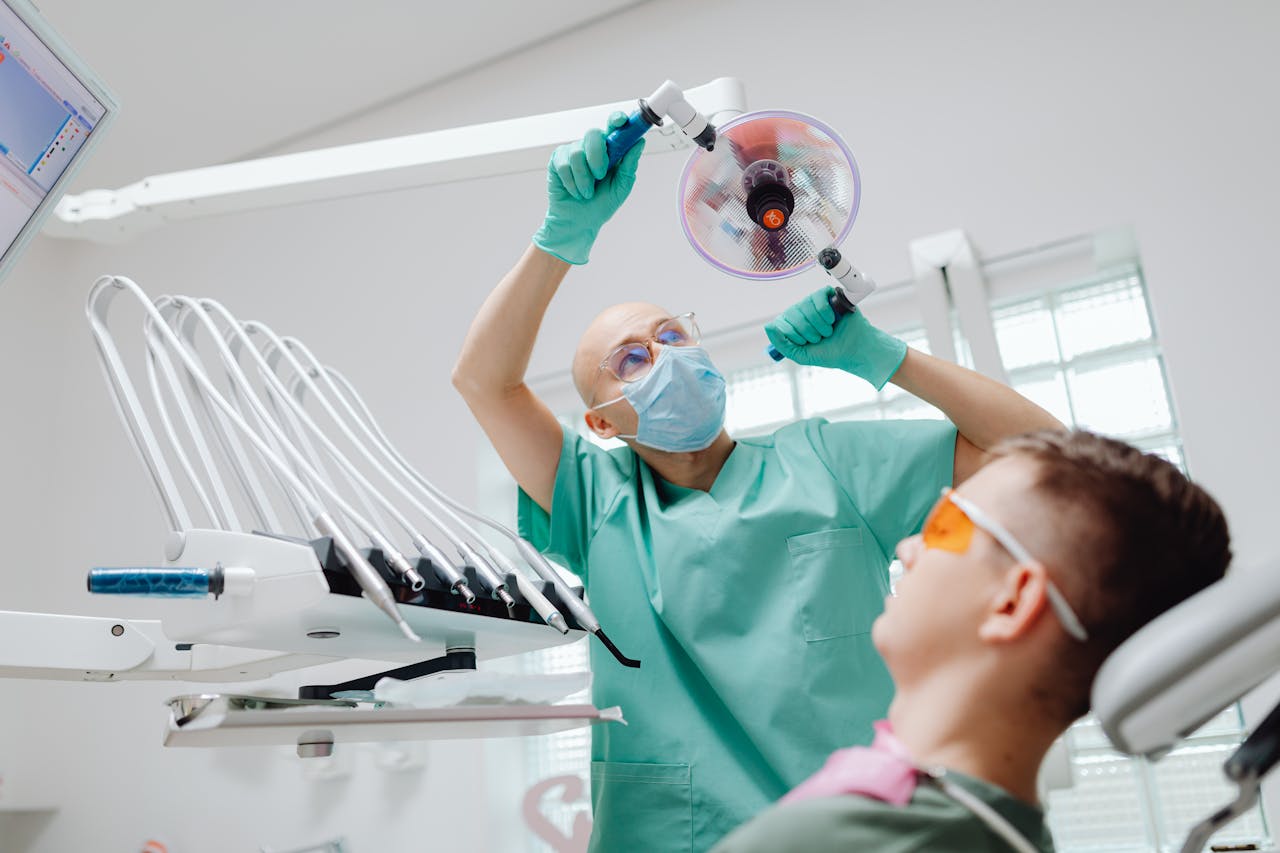
Your mouth often shows the first signs of health trouble. Bleeding gums, loose teeth, and constant dry mouth can signal heart disease, diabetes, or immune problems. Preventive dentistry helps you catch these problems early. Regular cleanings remove stubborn plaque. Routine exams help your dentist find small issues before they turn into pain, infection, or tooth loss. Early treatment protects more than your smile. It protects your heart, lungs, and blood sugar. It also lowers your risk of infection spreading through your body. You feel more willing to eat well, speak clearly, and stay social. That stability reduces stress and poor sleep. Many people only visit when pain hits, then need emergency care or root canal therapy in Dumfries, VA. You deserve calm, steady care long before that point. This guide explains how simple preventive steps protect your whole body and give you stronger control over your health.
How Your Mouth Connects To Your Whole Body
Your mouth holds dense groups of blood vessels and nerves. Germs in plaque sit close to that system. When gums stay swollen or bleed, those germs can move into your blood. That movement strains your heart and other organs.
Research from the National Institute of Dental and Craniofacial Research shows clear links between gum disease, heart disease, and stroke. The same long-term swelling that loosens teeth also harms blood vessels. It raises the load on your heart and brain.
Three key links stand out.
- Gum disease raises the risk of heart disease and stroke.
- Poor oral health makes diabetes harder to control.
- Mouth infections raise the risk of lung infections when you breathe germs into your airway.
What Counts As Preventive Dentistry
Preventive dentistry is simple care that stops damage before it grows. It includes three main steps.
- Home care each day with brushing, flossing, and healthy drink choices.
- Regular dental visits for exams and cleanings.
- Protective treatments such as fluoride and sealants when needed.
These steps keep plaque thin and easy to remove. They also let your dentist spot changes in your gums, tongue, and cheeks. That watchful eye can uncover early signs of infection, dry mouth, and even oral cancer.
Daily Habits That Protect Your Health
Strong routines at home cut risk for both dental and body disease. You do not need complex tools. You need steady habits.
- Brush teeth two times each day with fluoride toothpaste.
- Floss once each day to clean between teeth.
- Drink water often and limit sugary drinks.
These three habits lower the sugar and acid that feed mouth germs. That support protects tooth enamel and gums. It also lowers the burden of germs that can move into your blood or lungs.
The Centers for Disease Control and Prevention explains that community water fluoridation cuts tooth decay for both children and adults. Fluoride helps strengthen tooth enamel so teeth resist early breakdown.
Regular Dental Visits And What They Find
Routine exams do more than count cavities. Your dentist checks your gums, tongue, cheeks, and bite. That exam can uncover three major concerns.
- Early gum disease that still responds to simple cleanings.
- Worn enamel from grinding, acid reflux, or diet.
- Suspicious spots that may need cancer screening.
Cleanings remove hardened plaque that brushing misses. This hard film traps germs against your gums. Once removed, your gums often tighten and stop bleeding. That change lowers the flow of germs into your blood.
How Preventive Care Compares To Emergency Care
Preventive visits save time, money, and pain. Emergency visits often come with infection, swelling, and missed work. The contrast is sharp.
| Type of visit | Typical reason | Common treatment | Impact on health |
|---|---|---|---|
| Preventive visit every 6 months | Routine exam and cleaning | Cleaning, x rays, fluoride, advice | Stops decay early. Calms gum swelling. Supports heart and blood sugar control. |
| Delayed visit after years | Pain, swelling, broken tooth | Fillings, deep cleanings, extractions | Higher infection risk. More stress and cost. More strain on body systems. |
| Emergency visit for severe pain | Abscess, deep decay, trauma | Root canal or removal. Strong medicine. | High risk for spread of infection. Sleep loss. Missed school and work. |
You may feel tempted to wait until something hurts. By that time, options shrink. You may face more complex treatment and stronger medicine. Early visits keep choices open and protect your wider health.
Special Concerns For Children, Adults, And Older Adults
Preventive needs change through life, yet the goal stays the same. You want a clean, comfortable mouth that supports eating, speaking, and social life.
- Children need sealants on back teeth, fluoride, and help with brushing habits.
- Adults need support with stress, grinding, busy schedules, and diet choices.
- Older adults need help with dry mouth, gum recession, and denture care.
Dry mouth is common with many medicines. Less saliva means higher decay risk and a higher risk for swallowing problems. A dentist can suggest rinses, gels, and habit changes that protect teeth and help you eat with less struggle.
Taking The Next Step
You gain strong control over your health when you treat your mouth as part of your body, not as a separate piece. Three actions move you forward today.
- Schedule a preventive visit if you have not seen a dentist in the last year.
- Set a simple home routine with brushing, flossing, and water.
- Talk with your dentist about your heart history, diabetes, and medicines.
That short talk helps your dental team protect both your smile and your organs. You deserve steady comfort, easy meals, and quiet sleep. Preventive dentistry gives you that base, so your whole body can stay stronger longer.