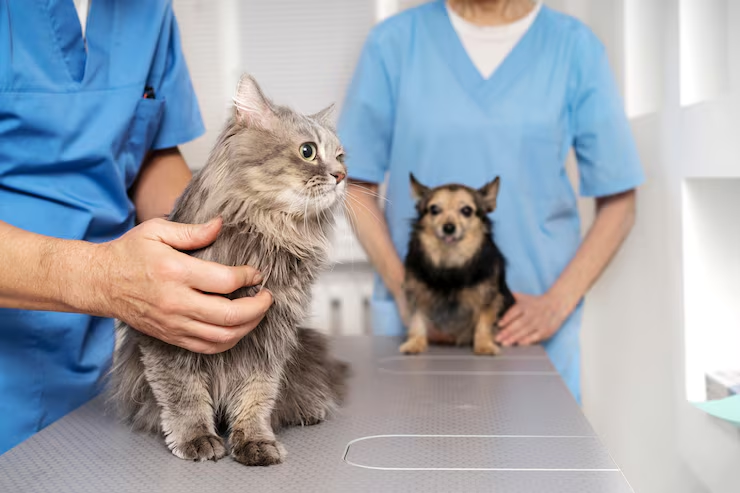
Walking into a veterinary hospital can stir up panic for your pet. The smells, sounds, and strange hands can flood your pet with fear. You may feel helpless watching your pet shake, pant, or struggle. Many hospitals now use Fear Free methods to change that story. They shape each visit around comfort, trust, and control. They watch body language. They use gentle handling. They reduce noise and harsh light. They use treats and toys as steady rewards. In some cases, your veterinarian in Gainesville, FL may suggest calming medicine before a visit. That is not a failure. That is protection. This blog explains how clinics lower fear for pets from the parking lot to the exam room. You learn what to expect and what to ask for. You also see how your choices before and after each visit can steady your pet’s nerves.
Why Fear Free Care Matters For Your Pet
Fear in pets is not only sad to watch. It also changes care. A terrified pet may hide pain, snap, or shut down. That can hide key signs of sickness. It can also turn simple care into a crisis.
Fear Free care aims for three outcomes. Your pet feels safe. Your pet gives more honest signs of health. Your pet builds trust with the care team.
Research from the National Institutes of Health shows that stress changes heart rate, breathing, and even lab test results in animals. Lower fear leads to clearer exams and safer treatment.
How Clinics Prepare Before You Arrive
Fear Free care starts before you open the clinic door. Many hospitals now change simple routines to lower stress.
- Separate waiting spaces for dogs and cats
- Quiet music or white noise to soften loud sounds
- Soft, non-slip floors to prevent slipping
- Staff trained to move slowly and speak in calm voices
Some clinics skip the waiting room when they can. They may send you straight to an exam room. That lowers the crush of smells and sounds that can upset pets.
Key Fear Free Tools You May See
Staff use simple tools to shift your pet’s focus from fear to comfort. Each tool has a clear purpose.
| Fear Free Tool | What It Looks Like | How It Helps Your Pet |
|---|---|---|
| Treat-based care | Steady feeding of small treats during exams and shots | Links touch with rewards. Turns scary acts into expected events. |
| Low-stress handling | Gentle holds. Minimal restraint. Staff move slowly. | Prevents panic. Gives your pet a sense of control. |
| Comfort items | Blankets, towels, pet’s own bed or toy | Brings familiar smells. Softens hard tables. |
| Scent control | Cleaning between pets. Use of pet-safe calming scents. | Limits strange odors. Reduces stress from other animals. |
| Sound control | Quiet voices. Slow doors. Reduced phone noise. | Stops sharp sounds that can startle pets. |
| Pre-visit medicine | Light calming drugs before travel or care | Lowers fear and motion sickness. Helps care stay safe. |
What Happens In A Fear Free Exam Room
Once you and your pet enter the room, the staff focus on three steps. They watch, they adjust, and they reward.
- First, they watch body signs. Ears, tail, eyes, and breathing show fear or ease.
- Next, they adjust touch. They may exam your pet on the floor, in your lap, or on a blanket.
- Then, they reward each step. Treats, praise, and play follow gentle handling.
Many clinics let you stay close to your pet during most tasks. Some pets feel safer when you hold the leash or stand by the head. Others need space from family to relax. Staff should ask which pattern fits your pet best.
How You Can Prepare Your Pet At Home
Fear Free care works best when you help at home. You can shape how your pet feels about travel, touch, and the clinic itself.
Use three simple habits.
- Practice touch. Gently handle paws, ears, and mouth for short moments. Then give a treat.
- Take happy car rides. Visit the clinic parking lot for a treat, then go home with no exam.
- Use the carrier as a bed. Keep it open with soft bedding and treats inside.
The Centers for Disease Control and Prevention explain that calm pets are easier to handle and less likely to bite. Your practice at home protects your pet and the care team.
Helping Children Support A Fear Free Visit
Clinic visits can unsettle children as well. A scared child can add stress to a scared pet. You can guide your child with three clear rules.
- Speak softly and stand still unless staff asks for help.
- Do not hug or hold the pet tight during exams.
- Save questions for quiet moments when staff can answer.
Invite your child to bring a book or a quiet toy. That keeps hands busy and tempers calm.
When Calming Medicine Is The Kindest Choice
Some pets carry deep fear from past hurt or poor socialization. For these pets, gentle handling and treats are not enough. In those cases, your veterinarian may suggest pre-visit medicine or anti-anxiety treatment.
That choice does three things. It shields your pet from terror. It allows safer handling. It protects staff from bites and scratches.
Medicine is not a sign of failure. It is a sign that you and your care team refuse to let fear rule your pet’s life.
How To Ask For Fear Free Care
You have the right to ask for low-stress care. You do not need special words. Simple, direct questions work best.
- “My pet is very scared. How do you lower fear during visits?”
- “Can we wait in the car until the room is ready?”
- “Is pre-visit medicine a good choice for my pet?”
If a clinic cannot honor your pet’s needs, you may choose one that can. Your pet’s peace matters as much as any vaccine or test.
Building Better Visits Over Time
Fear Free care is not a one-time trick. It is a pattern. Each kind visit teaches your pet that the clinic is safe. Over time, shaking can fade. Your pet may walk in with steady steps and a calm heart.
You do not control every sound or smell. You do control who cares for your pet, how you prepare, and how you speak up. When you and your veterinary team work as partners, your pet gains something rare. Real care without dread.