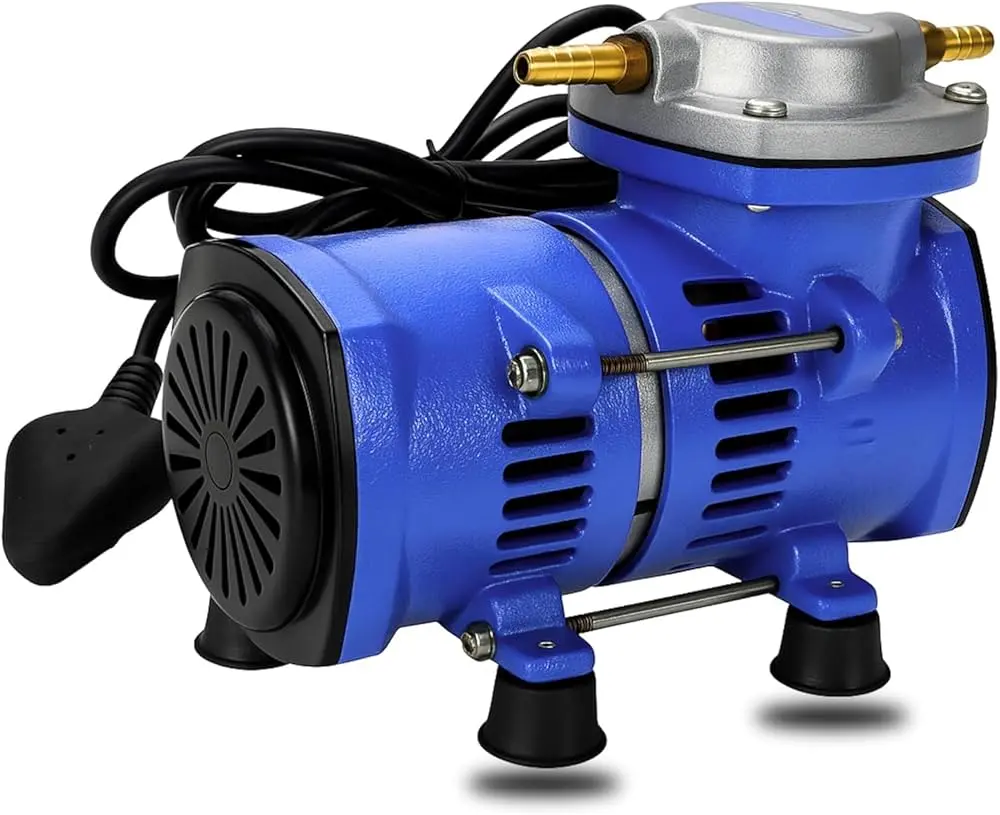
Why the Right Laboratory Compressor Matters
Laboratory compressor selection can quietly shape the accuracy, safety, and reliability of daily lab work. A laboratory compressor is not just a source of compressed air; it is part of the controlled environment that supports instruments, testing workflows, sample preparation, and delicate applications where contamination cannot be ignored.
Many modern laboratories depend on stable compressed air to maintain efficiency and consistency. Whether supporting analytical instruments or powering pneumatic systems, the right laboratory compressor helps prevent interruptions and protects sensitive equipment from contamination and pressure fluctuations.
What Is a Laboratory Compressor?
A laboratory compressor is a compact compressed-air system designed specifically for laboratory environments. Unlike industrial shop compressors, a laboratory compressor is engineered for cleaner airflow, reduced noise, minimal vibration, and precise pressure control.
Most laboratories prefer an oil-free laboratory compressor because even tiny traces of oil can compromise sensitive experiments or damage instrumentation. These systems are commonly designed to provide cleaner air while operating quietly enough for enclosed workspaces.
A laboratory compressor may also include advanced filtration systems, moisture removal components, and sound-dampening features to meet the strict standards of research and medical environments.
Common Applications for a Laboratory Compressor
A laboratory compressor supports many different tasks across scientific, medical, educational, and industrial laboratories. In research facilities, compressed air is often required for sample preparation, pneumatic controls, and automated systems. In dental and medical labs, a laboratory compressor may power precision equipment that requires dry, contaminant-free air.
Educational labs also rely on a laboratory compressor for demonstrations, experiments, and training exercises where consistent airflow is important. Quality-control laboratories frequently use compressed air systems to support testing instruments and production verification procedures.
The flexibility of a laboratory compressor makes it a critical piece of infrastructure in environments where precision matters.
The Importance of Oil-Free Performance
An oil-free laboratory compressor is one of the most common choices for modern laboratories because air purity is essential in controlled environments. Oil contamination can interfere with analytical processes, alter test results, and create maintenance problems for sensitive equipment.
Even when compressed air is not used directly in testing, contaminants can still affect surrounding systems. That is why many facilities prioritize an oil-free laboratory compressor combined with high-quality filters and moisture control systems.
Dry air is equally important. Excess moisture can lead to corrosion, microbial growth, and reduced performance in pneumatic instruments. A properly configured laboratory compressor helps maintain cleaner and drier airflow for reliable operation.
Features to Look for in a Laboratory Compressor
Selecting the right laboratory compressor involves more than simply choosing a pressure rating. Noise level is often one of the first considerations because many laboratories operate in shared indoor environments. A quiet laboratory compressor can significantly improve workplace comfort and reduce distractions during detailed work.
Pressure consistency is another critical factor. Instruments that rely on compressed air often require stable operating pressure to maintain accuracy. A laboratory compressor with reliable pressure regulation helps prevent inconsistent performance.
Tank size also matters because it affects how frequently the compressor cycles on and off. Larger tanks can reduce motor wear and improve efficiency in laboratories with fluctuating air demand.
Maintenance requirements should also be considered carefully. An efficient laboratory compressor should be easy to maintain without causing downtime or interrupting lab operations.
Choosing the Correct Size
A laboratory compressor should always be matched to the airflow requirements of the equipment it supports. Undersized systems may struggle to maintain pressure during peak usage, while oversized systems can waste energy and occupy unnecessary space.
The best approach is to calculate total airflow demand and allow additional capacity for future expansion. Laboratories often grow over time, and a laboratory compressor with extra capability can help avoid costly upgrades later.
Duty cycle is another important factor. Laboratories that require continuous airflow should invest in a laboratory compressor designed for long operating periods rather than occasional intermittent use.
Quiet Operation and Workspace Comfort
Noise reduction is one of the defining features of a high-quality laboratory compressor. In busy labs where technicians spend hours performing detailed tasks, excessive compressor noise can become a serious issue.
Manufacturers often reduce sound levels through enclosed cabinet designs, vibration isolation systems, and slower motor speeds. A quiet laboratory compressor improves communication, reduces stress, and creates a more productive environment.
Compact design is also valuable in smaller facilities where space is limited. Many laboratory compressor models are designed to fit neatly beneath workstations or within dedicated equipment areas without disrupting workflow.
Long-Term Reliability and Efficiency
A dependable laboratory compressor contributes directly to operational stability. Frequent shutdowns, pressure drops, or inconsistent airflow can delay projects and increase maintenance costs.
Energy efficiency is becoming increasingly important as laboratories seek to reduce operating expenses. Modern laboratory compressor systems often include energy-saving controls that reduce unnecessary cycling and optimize performance based on demand.
Durability also matters because laboratory environments often operate on tight schedules. A reliable laboratory compressor minimizes downtime and helps maintain continuous productivity.
Final Thoughts
A laboratory compressor plays a much larger role than many people realize. From supporting sensitive analytical equipment to maintaining clean and stable airflow for pneumatic systems, the right laboratory compressor helps laboratories operate safely and efficiently.
An oil-free laboratory compressor with strong filtration, low noise levels, and dependable pressure control is often the best solution for modern facilities. By choosing a laboratory compressor that matches both current and future needs, laboratories can improve reliability, protect equipment, and create a more productive working environment.