Travel memories are shaped by more than attractions and activities. The location of where a traveler stays plays a major role in how a destination is experienced day to day. Proximity, surroundings, and accessibility all influence convenience, mood, and the overall rhythm of a trip.
Many travelers focus on the destination itself while underestimating how location affects comfort and engagement. Staying too far from daily conveniences or isolated from local life can add friction to even the most exciting plans. Thoughtfully chosen locations, such as those emphasized by Stay Portland, help travelers experience a city naturally rather than feeling disconnected from it.
Understanding the role of location helps travelers make better accommodation choices. A well-placed stay enhances exploration, reduces stress, and turns ordinary moments into memorable parts of the journey.
Why Location Shapes the Entire Trip
Location influences how travelers move, what they see, and how much effort daily activities require. Even small distances add up over time.
A well-positioned stay supports ease, comfort, and spontaneity throughout the trip.
Convenience as a Foundation for Enjoyment
Convenience reduces friction. When essentials are nearby, travelers spend less time planning logistics.
This efficiency leaves more energy for enjoying the destination itself.
Access to Daily Necessities
Grocery stores, cafes, and pharmacies matter more than many travelers expect.
Easy access to these essentials supports routines and reduces unnecessary stress.
Walkability and Its Impact on Experience
Walkable areas encourage exploration without strict schedules.
Travelers discover places organically when movement feels effortless.
Reducing Dependence on Transportation
Frequent transportation planning interrupts the flow of a trip.
Central or well-connected locations reduce reliance on cars or transit.
Feeling Oriented Rather Than Lost
Familiar surroundings help travelers feel confident.
When neighborhoods are easy to navigate, stress decreases and curiosity increases.
How Location Affects Daily Pace
Busy districts move quickly, while residential areas offer a calmer rhythm.
Choosing the right pace improves comfort and satisfaction.
Staying Close to Local Life
Locations embedded in communities offer insight into everyday living.
This connection adds depth beyond typical sightseeing.
Proximity to Green Spaces and Relaxation
Parks and outdoor areas support rest and balance.
Nearby green spaces enhance well-being during travel.
Supporting Morning and Evening Routines
Morning coffee walks and evening strolls are shaped by location.
Accessible surroundings make these routines enjoyable.
Location and Emotional Comfort
Feeling safe and settled matters.
Good locations support emotional ease throughout the stay.
Avoiding the Feeling of Being Disconnected
Remote locations can isolate travelers unintentionally.
Central, thoughtful placement keeps travelers engaged.
Supporting Spontaneous Exploration
Nearby attractions encourage unplanned adventures.
Spontaneity often creates the most memorable moments.
How Location Influences Dining Experiences
Being close to local dining options expands choices.
Travelers enjoy variety without long commutes.
Reducing Travel Fatigue
Constant commuting adds physical and mental fatigue.
Shorter distances preserve energy.
Staying Where Life Actually Happens
Tourist-only zones often feel artificial.
Neighborhood locations feel more authentic and grounded.
The Role of Safety and Comfort
Safe, well-lit areas improve confidence.
Comfort supports relaxation and enjoyment.
Access to Cultural and Social Spaces
Museums, events, and gathering places shape experiences.
Proximity increases participation.
Location as a Tool for Time Management
Time is a valuable travel resource.
Better locations protect it.
Enhancing First Impressions
Arrival experience matters.
Good locations make settling in easier.
Supporting Longer Stays Comfortably
Extended trips magnify location benefits.
Convenience becomes essential over time.
The Balance Between Activity and Rest
Ideal locations allow easy access to both.
Travelers can shift gears effortlessly.
Understanding the City’s Layout
Staying centrally helps travelers learn the city faster.
Orientation builds confidence.
Location and Weather Considerations
Weather affects mobility.
Short distances matter more in poor conditions.
Supporting Work and Travel Balance
Remote work requires reliable surroundings.
Quiet, accessible locations support productivity.
Feeling Part of the Destination
Location shapes belonging.
Feeling included enhances enjoyment.
Reducing Planning Overload
Too much planning drains energy.
Good location simplifies decisions.
Creating Everyday Comfort While Traveling
Comfort comes from ease, not luxury.
Location provides that ease.
Supporting Sustainable Travel Choices
Walkable locations reduce environmental impact.
Sustainability adds meaning to travel.
How Location Shapes Social Interaction
Local environments encourage natural interaction.
These moments enrich travel.
Avoiding Missed Opportunities
Distant stays limit exploration.
Central locations expand possibilities.
Making Short Trips Feel Fuller
Limited time benefits from smart location choices.
Every moment counts.
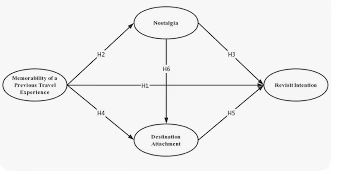
How Location Affects Memory Formation
Stress-free days leave stronger memories.
Location supports emotional clarity.
Encouraging Return Visits
Positive experiences encourage loyalty.
Location plays a major role.
Choosing Location With Intention
Intentional choices outperform convenience alone.
Purpose improves satisfaction.
Supporting Diverse Travel Goals
Every traveler has different priorities.
Flexible locations serve them better.
Location as a Silent Experience Enhancer
Often unnoticed, location works quietly.
Its impact is constant.
Feeling Comfortable Exploring Alone
Good locations empower solo travelers.
Confidence increases freedom.
Avoiding the Rush Mentality
Long commutes create urgency.
Short distances allow calm exploration.
How Location Influences Budget Control
Transportation costs add up.
Good location protects budgets.
Integrating Travel Into Daily Life
Blending travel with living enhances experience.
Location makes this possible.
Building Travel Confidence
Confidence grows when navigation feels easy.
Location supports this growth.
The Emotional Value of Familiar Surroundings
Returning to familiar streets builds comfort.
Repetition creates belonging.
Supporting Balanced Travel Days
Balanced days mix activity and rest.
Location enables balance.
Location and Overall Satisfaction
Many frustrations trace back to poor placement.
Good location prevents them.
Why Location Is Worth Prioritizing
It affects every day of the trip.
Few choices matter more.
Making the Destination Feel Accessible
Accessibility defines enjoyment.
Location unlocks access.
Choosing Stays That Support Exploration
Exploration thrives on proximity.
Location fuels curiosity.
The Difference Between Visiting and Experiencing
Location bridges that gap.
Experience becomes deeper.
How Thoughtful Placement Adds Value
Value is measured in ease and enjoyment.
Location delivers both.
When Travel Feels Effortless
Effortless travel feels memorable.
Location makes it so.
Why Travelers Remember How a Place Felt
Feeling comes from daily experience.
Location shapes those feelings.
A Practical Element With Emotional Impact
Location is practical but emotional.
It defines comfort.
Why Location Deserves Careful Consideration
It influences everything else.
Thoughtful choices matter.
Conclusion
Location quietly shapes every aspect of a travel experience, from daily routines to emotional comfort. Easy access, walkability, and connection to local life reduce stress while enhancing exploration. When travelers choose where to stay with intention, the destination becomes easier to enjoy and more memorable.
Thoughtfully placed accommodations, such as those associated with Stay Portland, help travelers feel oriented, confident, and connected from the moment they arrive. By prioritizing location, travelers create experiences that flow naturally, feel authentic, and leave lasting impressions long after the journey ends.