Key Takeaways
- Cabin conditions, such as low humidity and reduced pressure, soften our sense of taste.
- Sweet and salty flavours can drop by as much as 30% at cruising altitude.
- Airline catering teams use bolder seasoning, umami-rich ingredients, and moisture-retaining recipes to keep meals flavourful.
- Dishes are tested in simulated cabin environments to ensure they still taste good in the air.
Introduction
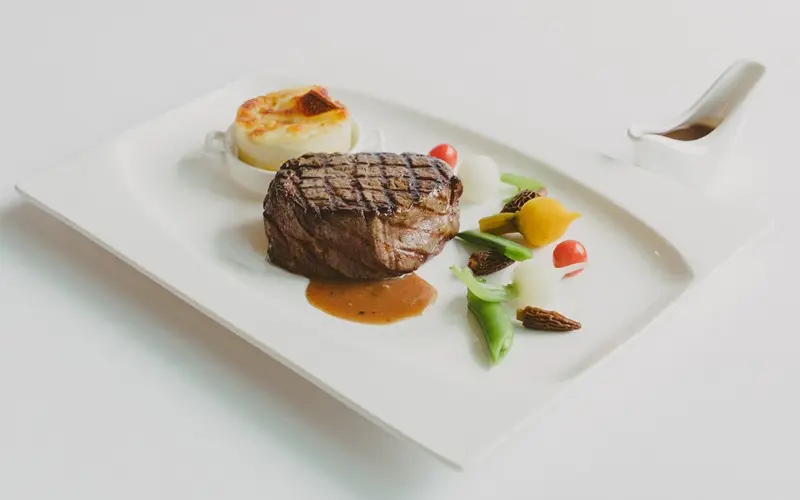
If you have ever felt that your meal tastes different on a flight, you are not imagining it. At cruising altitude, flavour perception drops, aromas become less pronounced, and reheating can subtly affect texture.
For the aviation sector, understanding these shifts is essential for creating meals that hold up well in the sky. Here is a clearer look at the science behind in-flight flavour and the techniques used to bring out the best in every dish.
Why Food Tastes Different in the Air
1. Altitude and Air Pressure Change How We Taste
At cruising altitude, the drop in cabin pressure reduces the amount of oxygen reaching our taste receptors. This reduces their ability to respond to sweet and salty compounds, making flavours seem far weaker than they actually are. A well-seasoned meal on the ground can therefore taste noticeably less vibrant in the air.
2. Low Humidity Reduces Aroma and Mouthfeel
Cabin humidity can fall to around 10–20%, far below what most of us are used to. In such dry air, the nose and mouth produce less moisture, which directly affects our ability to sense flavour. Since aroma makes up a large part of how we experience food, this dryness can make dishes seem less fragrant and less nuanced.
3. Chilling and Reheating Change Texture
Airplane food is usually cooked in large batches, rapidly chilled for safety, transported to the aircraft, and reheated before serving. While this process is essential, it can slightly alter the texture. For example, proteins may firm up more than they would on the ground, and sauces can lose some intensity. These changes make it essential for airline catering suppliers to develop dishes that stay appealing despite temperature shifts.
What Airline Chefs Do to Enhance Flavour
1. Bolder Seasoning and Umami-Rich Ingredients
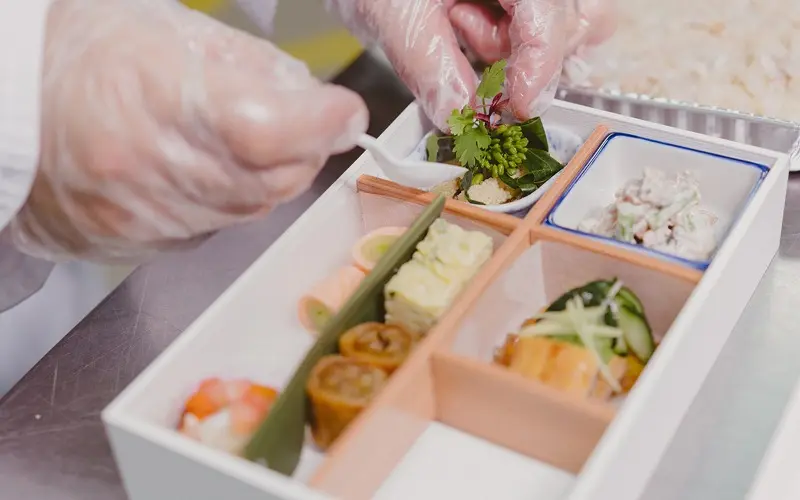
To counter the muted taste perception in the air, aviation catering teams build recipes with stronger flavours from the start. Herbs, spices, and umami-rich ingredients, such as miso, mushrooms, tomatoes, and seaweed, help create depth without overwhelming the palate. Umami holds up well under cabin conditions, making it a key element in many in-flight dishes.
2. Recipes Designed to Stay Moist
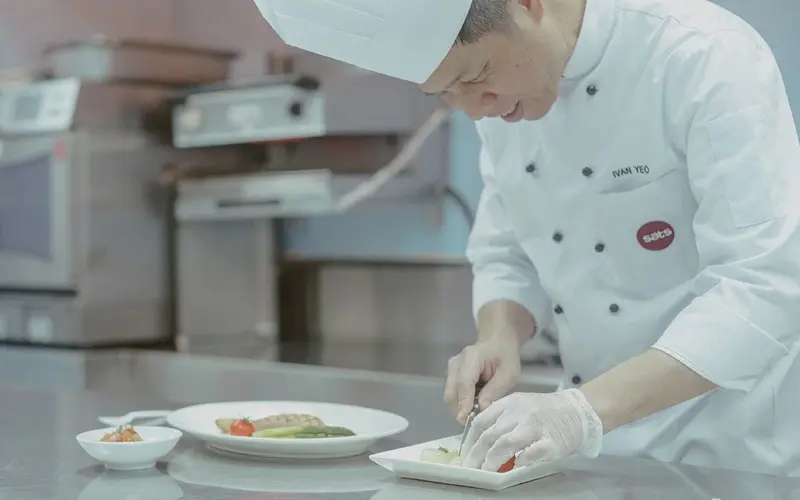
Moisture loss is one of the biggest flavour challenges on board. To counter this, chefs lean toward:
- Braises, stews and slow-cooked dishes
- Sauces that coat ingredients well
- Grains and vegetables that hold moisture during reheating
These preparations not only stay tender, but they also deliver a more consistent texture under the aircraft’s dry conditions.
3. Testing Meals in Simulated Cabin Conditions
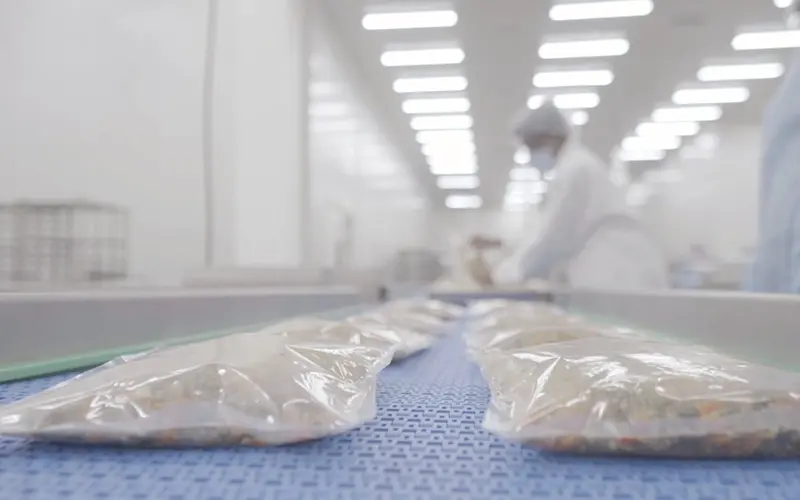
A dish that tastes perfect in a kitchen may taste washed-out in the air, which is why aviation catering teams do not rely on ground testing alone. Recipes are trialled in pressurised rooms that mimic actual cabin conditions, from reduced air pressure to dry air, cooler temperatures, and the way aromas are perceived differently on flights.
These simulations allow chefs to see how flavours, textures, and moisture levels shift after reheating and time spent at altitude. With this data, they can fine-tune recipes, adjust seasoning, and select ingredients that perform consistently in real-world flight environments rather than under ideal kitchen circumstances.
Conclusion: Bringing Better Flavour to the Skies
Airplane food tastes different, not because the recipes are lacking, but because our senses work differently in flight. With lower humidity, reduced pressure, and the realities of onboard reheating, chefs must rethink how dishes are prepared for the skies. Through thoughtful seasoning, moisture-friendly recipes, and cabin-simulated testing, the industry continues to refine how meals taste at altitude.
If your organisation is exploring high-quality, scalable in-flight catering solutions, SATS works with airlines worldwide to create meals designed for the sky. As a global leader in airline catering and aviation services, SATS supports end-to-end meal production from menu planning to delivery. Connect with the team to find out more.