Modern site development is driven by three forces: durability, cost control, and long-term performance. Whether the project is a residential subdivision, commercial complex, municipal park, or mixed-use development, material selection now plays a strategic role in lifecycle efficiency.
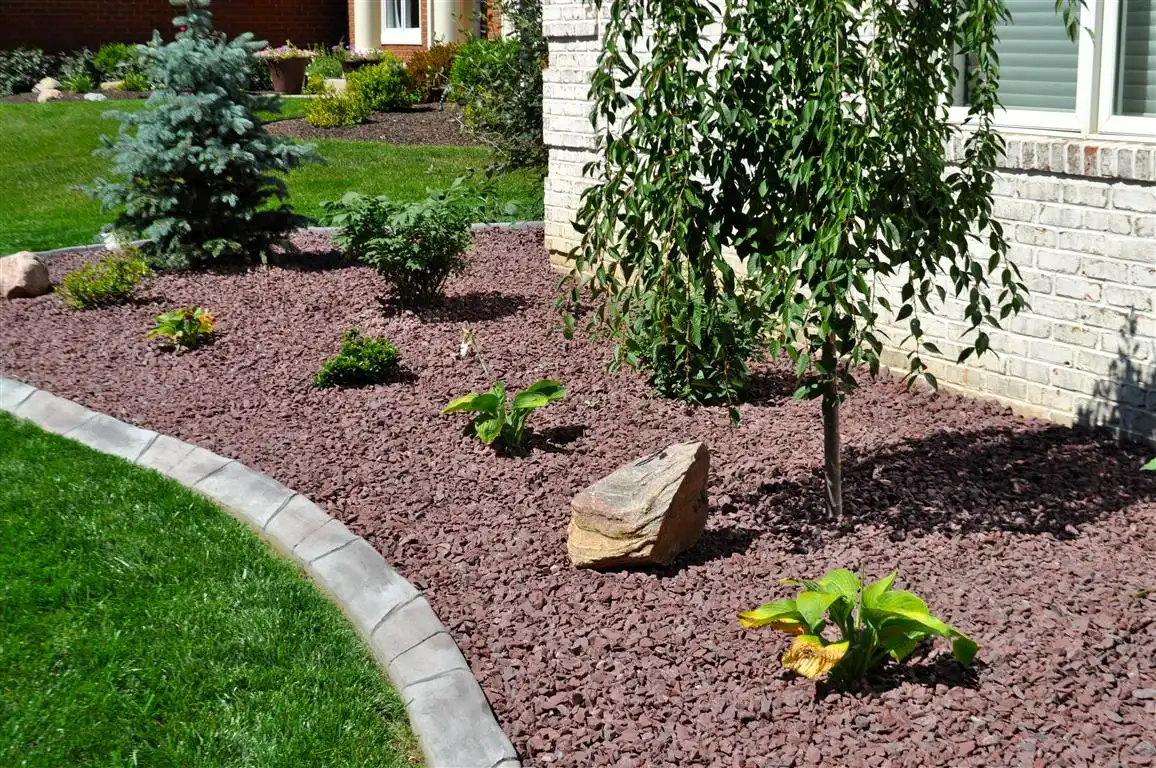
Among the materials gaining significant traction in both residential and commercial projects is landscape rock. Once viewed primarily as decorative ground cover, landscape rock has evolved into a performance-driven material that supports structural stability, water management, and low-maintenance design.
Performance Over Appearance
While landscape rock enhances curb appeal, contractors increasingly specify it for functional reasons.
Unlike organic ground covers such as mulch, rock does not decompose. It resists shifting when properly installed, maintains consistent surface coverage, and withstands heavy weather conditions. In regions prone to high winds, heavy rain, or intense sun exposure, this durability reduces maintenance cycles and replacement costs.
For developers managing multi-acre projects, that durability directly impacts operational efficiency.
Water Efficiency and Drainage Control
Stormwater management has become central to site development planning. Municipal regulations and environmental standards require smarter surface strategies that reduce runoff and promote drainage.
Landscape rock contributes by:
- Allowing water infiltration
- Reducing soil erosion
- Preventing surface pooling
- Supporting permeable design concepts
In drought-prone areas, rock landscaping also minimizes irrigation demands compared to grass or plant-heavy layouts. This aligns with sustainable development goals while lowering long-term water costs.
Cost Stability Across Large Projects
Budget predictability is critical in modern development. Organic materials require frequent replenishment, increasing lifecycle expenses. Landscape rock, once installed, remains structurally consistent for years with minimal intervention.
For large-scale builds—commercial campuses, apartment complexes, industrial parks—the ability to source bulk quantities of landscape rock with consistent grading and color ensures uniformity across the property. Reliable access to structured landscape rock options allows contractors to scale efficiently without material inconsistencies.
The upfront investment often translates into reduced maintenance budgets over the life of the property.
Versatility in Design and Application
Modern site planning blends aesthetics with function. Landscape rock is now used in:
- Perimeter drainage systems
- Tree and shrub beds
- Parking lot islands
- Walkway borders
- Erosion control zones
- Retention pond edges
Its adaptability makes it suitable for both decorative accents and infrastructure support areas.
Architects and planners increasingly favor materials that perform structurally while complementing contemporary design standards. Landscape rock provides a clean, natural finish that integrates seamlessly with concrete, pavers, turf, and plant installations.
Reduced Maintenance and Labor Costs
From a facilities management perspective, maintenance efficiency matters. Organic ground cover requires:
- Seasonal replacement
- Weed barrier adjustments
- Color refreshing
- Frequent upkeep
Landscape rock reduces recurring labor needs. When paired with proper underlayment and installation techniques, it suppresses weed growth and remains stable under foot traffic and weather exposure.
Over time, this lowers operational demands on property managers and homeowners associations.
Reliable Supply Supports Project Timelines
In phased developments, consistent material availability is as important as quality. Contractors working across multiple project stages require dependable bulk delivery to maintain progress.
Access to professionally sourced landscape rock materials through established aggregate suppliers ensures:
- Consistent size and grading
- Reliable delivery schedules
- Volume capacity for large developments
- Reduced risk of jobsite delays
Material reliability safeguards both project timelines and contractor margins.
A Strategic Material in Modern Development
Landscape rock is no longer viewed solely as an aesthetic upgrade. It has become a strategic surface solution that addresses durability, sustainability, and financial efficiency in site development.
As developers prioritize long-term cost control and environmental performance, materials that offer structural stability with minimal maintenance naturally rise in demand.
In modern construction planning, the question is no longer whether landscape rock is decorative. It is whether the project can afford to overlook a material that delivers resilience, efficiency, and design flexibility in a single solution.
For contractors and developers seeking scalable, durable surface options, landscape rock has become a preferred material for good reason.