In the United States, timber processing, rural logistics, and construction support operations often require flexible solutions for handling raw wood materials. While large scale sawmills remain central to industrial production, smaller and mobile operations increasingly depend on portable equipment to process timber directly at the source. A portable sawmill allows operators to convert logs into usable lumber without transporting raw material over long distances. For warehouse managers, equipment operators, logistics professionals, and industrial buyers, this approach can reduce transport costs and improve material control.
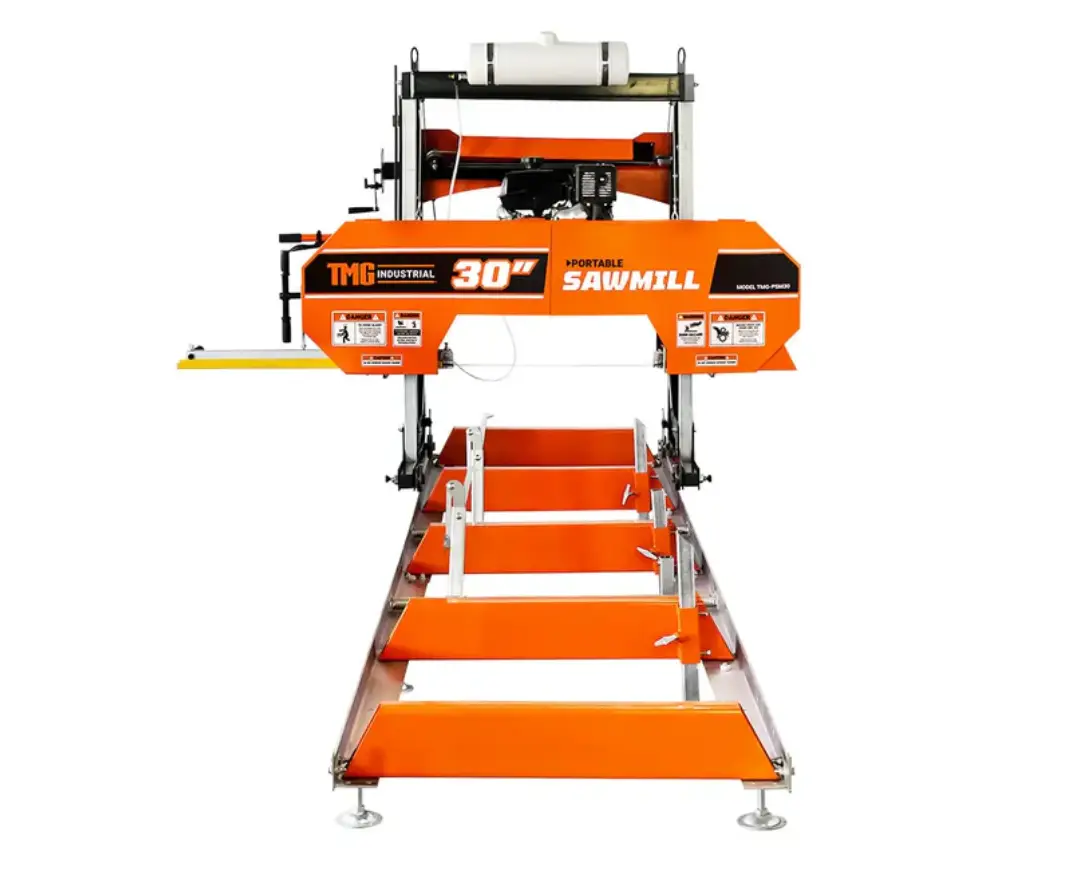
A system such as the 30″ Portable Sawmill for timber processing reflects the growing demand for mobile processing solutions. These systems are used in forestry operations, construction supply chains, and site-based production environments where flexibility is important.
Importance in the United States Market
The United States has extensive forestry resources and a wide range of industries that depend on wood products. In remote or distributed operations, transporting logs to central facilities may not always be efficient. Portable sawmills allow processing to occur closer to harvesting locations or construction sites, reducing logistical complexity and supporting better use of available materials.
Technical Methods and Use Cases
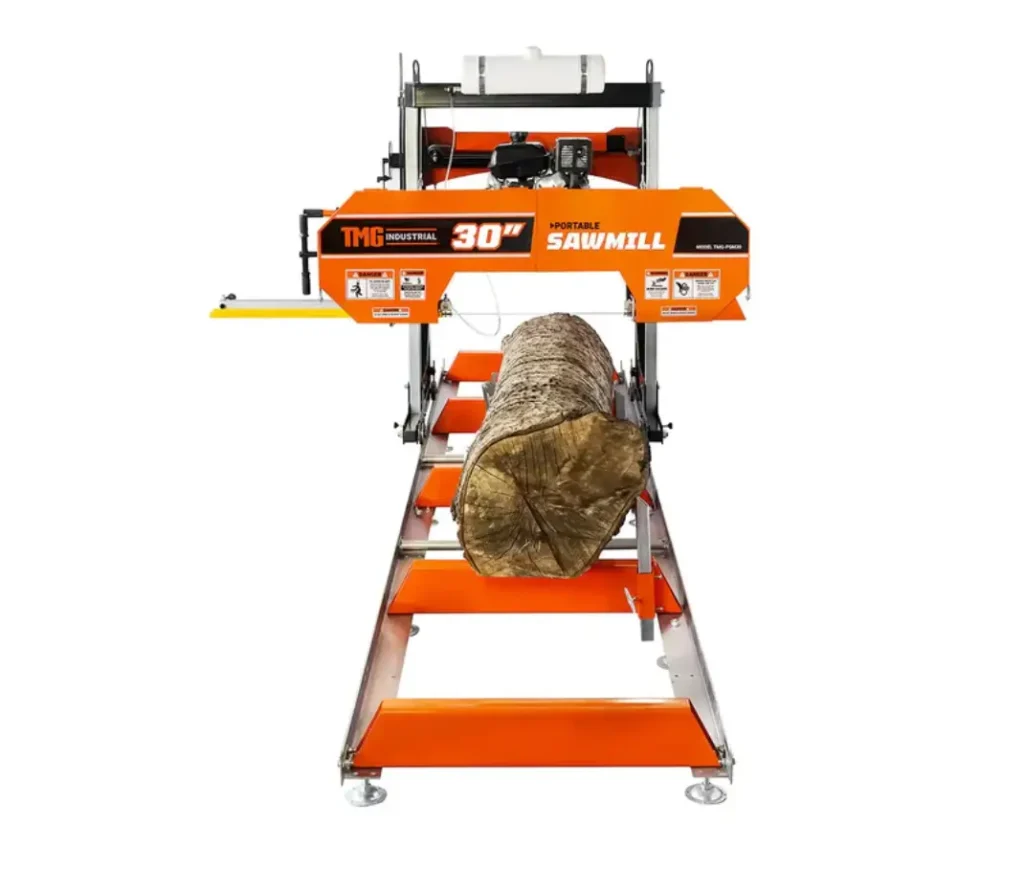
Portable sawmills operate by guiding logs along a track system while a powered cutting head slices the material into boards or beams. The system is typically driven by a gasoline engine and controlled manually by an operator.
· On-site timber processing in forestry operations
· Production of lumber for construction projects
· Preparation of materials for fencing and structural work
· Small scale commercial wood production
· Maintenance supply for rural infrastructure
Efficiency, Safety, and Productivity
Using a portable sawmill can improve efficiency by eliminating the need to transport raw logs over long distances. Instead, processed lumber can be moved more easily and used directly. This reduces handling time and supports better workflow planning in both industrial and construction settings.
· Reduces transport volume and cost
· Improves material yield control
· Supports faster project timelines
· Enables flexible production in remote locations
Technical Foundations and Capacity Considerations
When selecting a portable sawmill, operators must consider several technical factors to ensure proper performance.
· Maximum log diameter and cutting capacity
· Engine power and fuel efficiency
· Track length and stability
· Blade type and cutting precision
· Ease of setup and transport
These elements determine how effectively the machine can process different types of wood under varying conditions.
Factors Affecting Performance and Reliability
Performance depends on proper setup, log quality, and maintenance. Uneven ground can affect cutting accuracy, while dull blades may reduce efficiency. Environmental conditions such as moisture and temperature can also influence operation.
Regular inspection of moving parts, alignment of tracks, and blade condition are important to maintain consistent output and reduce downtime.
Safety Considerations and Best Practices
· Operate the sawmill on stable and level ground
· Wear appropriate protective equipment
· Keep hands and tools clear of cutting areas
· Inspect blades and guards before operation
· Maintain a safe distance from moving parts
· Ensure proper training for all operators
Related Equipment and Accessories
TMG Industrial Portable sawmill operations often include supporting tools to improve efficiency and workflow.
· Log loaders and handling equipment
· Measuring tools for cutting accuracy
· Replacement blades and maintenance kits
· Protective covers and transport supports
· Material stacking systems
Advantages and Limitations
Advantages
· Flexible operation in remote locations
· Reduced transportation requirements
· Direct control over lumber production
· Adaptability for different project sizes
Limitations
· Requires operator training and setup time
· Limited throughput compared with large mills
· Dependent on regular maintenance
Real World Example
A construction support team working in a rural area may use a portable sawmill to process timber harvested on-site. Instead of transporting raw logs to a distant facility, the team cuts the material into usable boards directly at the project location. This approach reduces transport time and allows materials to be used immediately for framing and structural work.
Conclusion and Future Trends
Portable sawmills continue to play an important role in industrial and logistics operations that involve timber processing. Their ability to bring production closer to the source supports efficiency, reduces transport requirements, and improves material management. As industries focus on flexibility and cost control, demand for mobile processing equipment is expected to grow. Future developments may include improved engine efficiency, better cutting precision, and enhanced integration with material handling systems, supporting more efficient and adaptable operations across the United States.