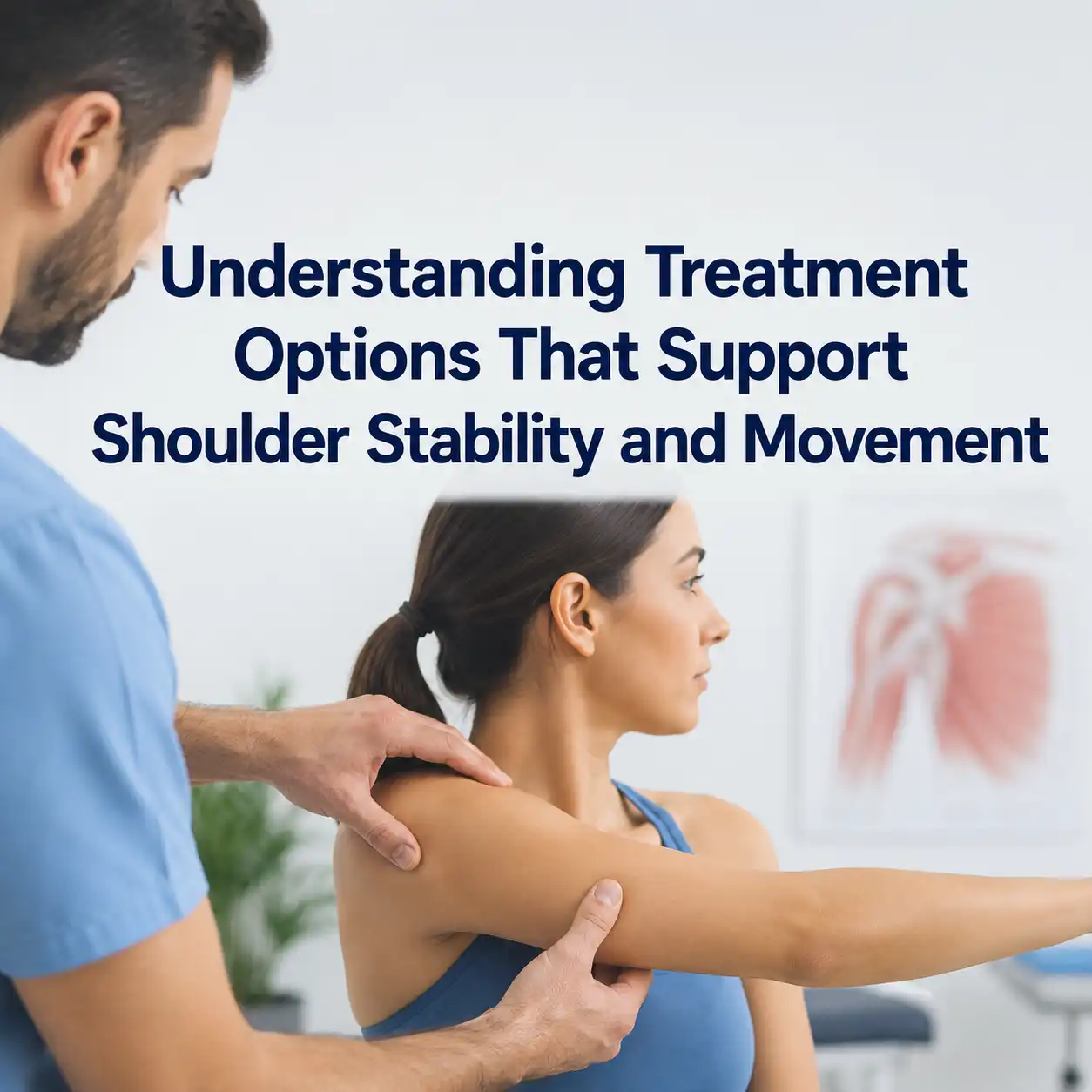
Shoulder pain and instability can significantly affect daily life, limiting everything from simple household tasks to sports and work activities. Because the shoulder is one of the most mobile joints in the body, it is also highly vulnerable to injury and wear. Understanding available treatment options is essential for restoring stability, improving movement, and preventing long-term complications.
This guide explores how different treatment approaches support shoulder health and recovery.
Understanding Shoulder Anatomy and Function
The shoulder is a complex joint made up of bones, muscles, tendons, and ligaments that work together to allow a wide range of motion. This mobility is what makes it possible to lift, rotate, and extend the arm in multiple directions. However, this same flexibility can also make the joint less stable compared to other parts of the body.
Key structures include:
- Bones such as the humerus, scapula, and clavicle
- Rotator cuff muscles that stabilize and move the joint
- Tendons that connect muscle to bone
- Ligaments that provide structural support
Because the shoulder is used in nearly every upper-body movement, it is prone to conditions such as rotator cuff injuries, impingement syndrome, labral tears, and arthritis. When these structures are damaged, pain and reduced mobility often follow.
Recognizing Symptoms of Shoulder Problems
Early recognition of shoulder issues is important for effective treatment. Symptoms often begin gradually and may worsen over time if left untreated.
Common signs include persistent shoulder pain, reduced range of motion, weakness when lifting objects, and discomfort during overhead movements. Some individuals also experience clicking, stiffness, or a sensation of instability in the joint.
When these symptoms begin to interfere with daily activities, professional evaluation is recommended to prevent further damage and support recovery.
Non-Surgical Treatment Options for Shoulder Stability
Many shoulder conditions can be managed without surgery, especially when addressed early. Non-surgical treatments focus on reducing pain, improving mobility, and restoring strength.
Common approaches include:
- Physical therapy and guided exercise programs
- Rest and temporary activity modification
- Anti-inflammatory medications
- Corticosteroid injections for pain management
These treatments aim to reduce inflammation while improving the strength of surrounding muscles. In many cases, consistent rehabilitation can significantly improve shoulder stability and function without the need for surgical intervention.
The Role of Physical Therapy in Shoulder Rehabilitation
Physical therapy is one of the most important components of shoulder recovery. It helps restore movement, rebuild strength, and improve joint stability through targeted exercises.
A structured rehabilitation program often includes stretching to improve flexibility, strengthening exercises for the rotator cuff, and posture training to reduce strain on the joint. Over time, these exercises help the shoulder regain function and reduce the risk of future injury.
Physical therapy also plays a key role in helping individuals return safely to sports, work, and daily activities. Consistency is essential for achieving long-term improvement.
Surgical Treatment Options for Severe Shoulder Conditions
In cases where non-surgical treatments are not effective, surgery may be necessary. This is typically recommended for severe injuries or chronic conditions that do not improve over time.
Common surgical procedures include rotator cuff repair, shoulder arthroscopy, stabilization surgery for recurrent dislocations, and shoulder joint replacement in advanced cases of arthritis.
Modern surgical techniques are often minimally invasive, reducing recovery time and improving outcomes. However, post-surgical rehabilitation remains essential for restoring full function and strength.
The Importance of Working With a Shoulder Specialist
A shoulder specialist plays a critical role in diagnosing complex conditions and developing effective treatment plans. Their expertise allows for a more accurate understanding of the underlying cause of pain or instability.
Working with a specialist such as the Cleveland Shoulder Institute ensures access to advanced diagnostic tools, personalized treatment strategies, and ongoing care tailored to each patient’s condition.
Shoulder specialists are trained to evaluate both surgical and non-surgical options, helping patients choose the most appropriate path for recovery. Their guidance is especially valuable in cases involving chronic pain, sports injuries, or recurring instability.
Lifestyle Strategies for Supporting Shoulder Health
Daily habits also play an important role in maintaining shoulder health. Proper posture, especially during work or screen use, can reduce unnecessary strain on the joint.
Regular stretching and strengthening exercises help maintain flexibility and muscle balance. It is also important to avoid repetitive overhead strain without proper conditioning, as this can increase the risk of injury.
Safe movement practices and ergonomic adjustments in daily life can significantly reduce long-term stress on the shoulder joint.
Recovery Expectations and Long-Term Shoulder Care
Recovery timelines vary depending on the severity of the condition and the type of treatment used. Some individuals may recover within weeks, while others require several months of rehabilitation.
Following treatment plans consistently is essential for achieving the best possible outcome. Gradual progression of activity helps prevent reinjury and supports long-term stability.
Maintaining shoulder health after recovery involves continued exercise, proper body mechanics, and regular monitoring of any recurring symptoms.
Supporting Long-Term Shoulder Stability, Strength, and Movement
Shoulder stability and mobility depend on a combination of early diagnosis, appropriate treatment, and long-term care. Whether through physical therapy, medication, or surgery, each treatment option plays a role in restoring function and reducing pain.
By working with qualified professionals and adopting healthy movement habits, individuals can improve shoulder performance and maintain long-term joint health.