Birmingham is the UK’s second-largest city and one of its fastest-growing commercial environments. New development, expanding retail districts, a booming night-time economy, and a densely populated urban core all create demand for physical security that is outpacing most businesses’ plans.
This is not simply a response to rising crime. It reflects something more considered: a clearer understanding of what security actually protects. Not just assets and premises, but people, reputation, operational continuity, and insurance compliance.
Here are 6 specific reasons Birmingham businesses are increasing physical security spend and what it means for organisations that have not reviewed their current setup recently.
1. Organised Retail Crime Has Escalated Significantly
The West Midlands consistently features among the UK’s highest-volume crime regions outside London. But what matters more than volume is how crime has changed in character. Organised retail crime groups now operate with a level of coordination that renders basic deterrents ineffective.
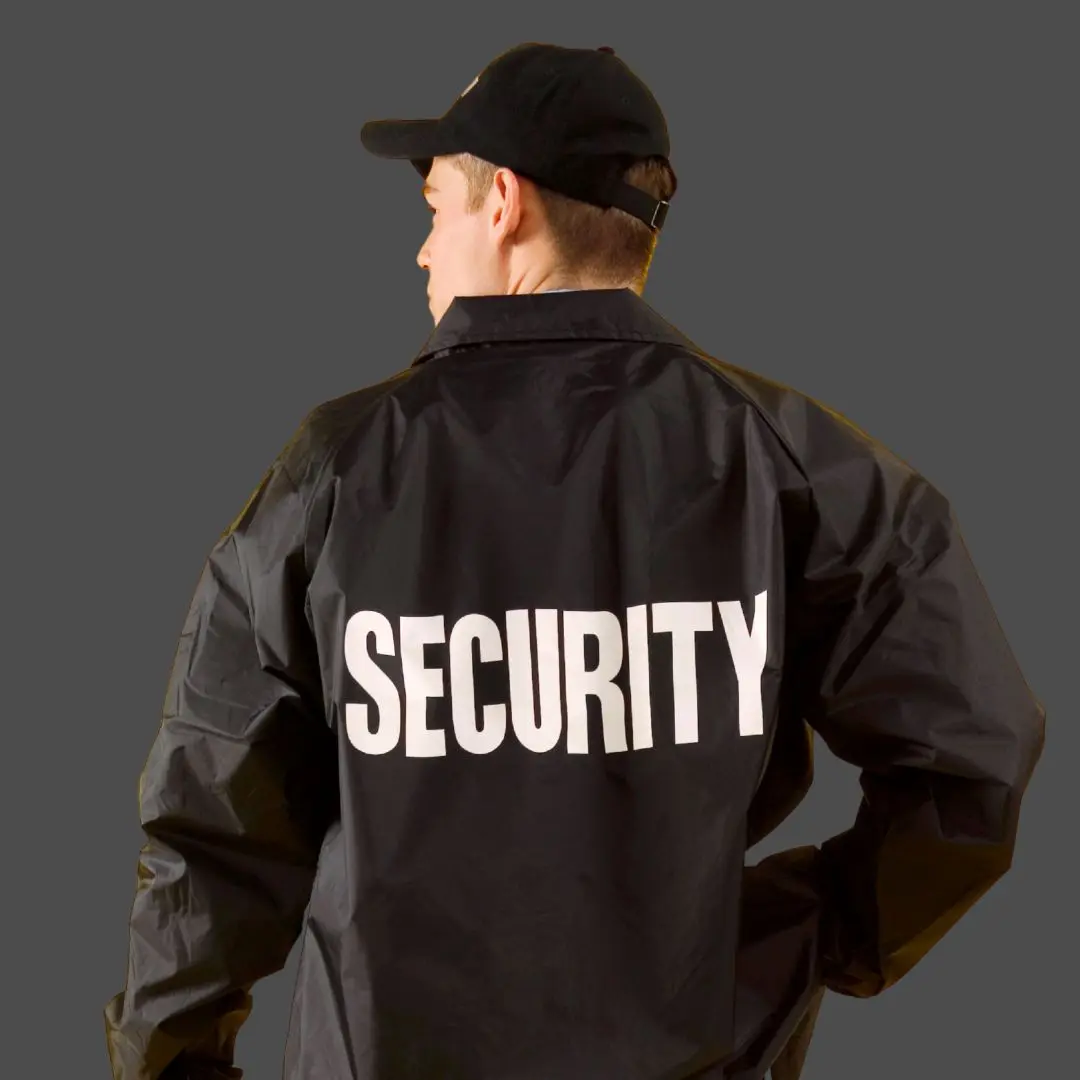
These groups target multiple sites in a single area on the same day, exploiting response gaps between alarm activation and police attendance. A visible, SIA-licensed operative on site changes criminal behaviour in ways that a camera or alarm system alone cannot. The deterrent effect of manned guarding is direct and measurable.
2. Birmingham’s Construction Boom Has Created New Vulnerabilities
The city’s ongoing regeneration, including major developments in Digbeth and Eastside, and the continued expansion of commercial office space, has resulted in a high volume of construction activity across the urban area. Active construction sites carry significant risk.
Plant machinery, copper wiring, power tools, and building materials represent hundreds of thousands of pounds in unprotected inventory at any given time. Theft and vandalism peak during 2 specific windows: overnight between site close and early-morning restart, and on weekends when sites are completely unstaffed.
3. Hybrid Working Has Created Unpredictable Building Access Patterns
The shift to hybrid working has fundamentally changed how commercial buildings are occupied. Sites that previously operated on consistent schedules now have variable occupancy throughout the week. Some floors are empty on certain days. Visitor access patterns are irregular.
Security models designed for consistent 9-to-5 occupancy do not work in this environment. Businesses are updating their physical security to reflect actual usage patterns, typically by combining manned guarding with mobile patrols and remote monitoring to address the gaps that flexible working creates.
4. High-Value Retail Is Expanding Across the City
Birmingham’s Bullring, Grand Central, Mailbox, and Jewellery Quarter have one of the UK’s highest concentrations of high-value retail outside London. Luxury goods, jewellery, electronics, and flagship brand stores require trained, experienced security operatives.
For businesses in these areas, partnering with security company Birmingham specialists is crucial. They understand the unique risks of each district. SIA operatives trained in retail crime detection and loss prevention can cut shrinkage by 35–60% when they are consistently deployed.
5. Insurance Providers Are Making Security a Policy Condition
Commercial insurers are including documented security requirements as conditions within business interruption and contents insurance policies. Businesses that fail to maintain these conditions risk having claims declined regardless of the circumstances of the incident.
Having written evidence of manned guarding contracts, completed security audits, and maintained access control systems is now part of responsible insurance management. One declined claim in a significant incident can cost far more than years of security contract spend.
6. Reputational Risk Has Grown With Social Media Visibility
A security incident at a Birmingham commercial or hospitality venue now reaches a local audience of tens of thousands within hours. A theft, an assault on a staff member, or an unauthorised access event is no longer a private operational problem. It is a public reputational event.
Businesses investing in physical security are increasingly treating it as a form of brand protection. The cost of one serious, preventable public incident, in terms of media coverage, customer confidence, and staff morale, can exceed an entire year’s security contract value.
When Did You Last Review Your Security?
If your last formal security review was more than 18 months ago, it is almost certainly out of date. Birmingham’s commercial environment has changed quickly. The security requirements have changed with it.
A professional security audit finds gaps in your setup and creates a clear, prioritised action plan. Providers like Alpha Security Services perform site-specific assessments that consider Birmingham’s unique commercial landscape. This gives businesses an evidence-based starting point instead of generic recommendations.
The businesses increasing security investment today are not doing it out of anxiety. They are doing it because the cost of getting it wrong has become impossible to ignore.