Introduction: Power Reliability in the Canadian Industrial Landscape
In Canada, industrial operations are often affected by weather related disruptions, including snowstorms, ice events, and seasonal grid stress. Power outages can halt warehouse processes, delay shipments, and compromise safety systems. For warehouse managers and logistics professionals, maintaining a reliable backup power source is a critical requirement.
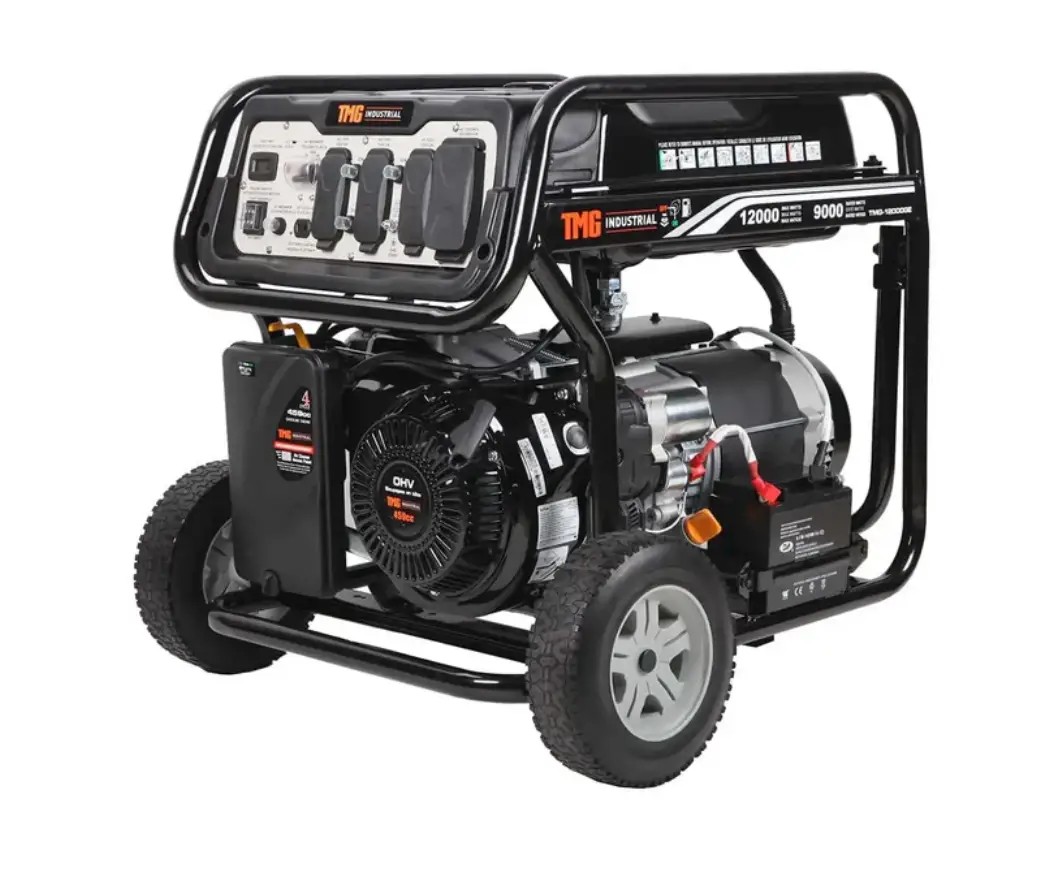
A twelve thousand watt gasoline generator provides a portable and flexible solution for temporary or emergency power supply. It supports essential equipment and helps maintain continuity during unexpected outages.
Technical Overview and Use Cases
Basic Working Principle
A portable gasoline generator backup power converts mechanical energy into electrical energy. The engine drives an alternator, which produces electrical current. This current can be distributed through multiple outlets, including one hundred twenty volt and two hundred forty volt connections, as well as direct current outputs for specific applications.
Typical Industrial Use Cases
Common uses in industrial environments include:
· Backup power for warehouse lighting systems
· Supporting material handling equipment during outages
· Powering temporary workstations on job sites
· Maintaining communication and monitoring systems
Efficiency, Safety, and Productivity Considerations
Power interruptions can lead to immediate productivity losses. Without electricity, automated systems, conveyors, and data systems may stop functioning. A properly sized generator allows operations to continue at a reduced but controlled level.
Key efficiency benefits include:
· Reduced downtime during outages
· Maintained workflow for critical tasks
· Improved response to emergency conditions
Safety is also supported by maintaining lighting, alarm systems, and ventilation where required.
Technical Requirements and Capability Considerations
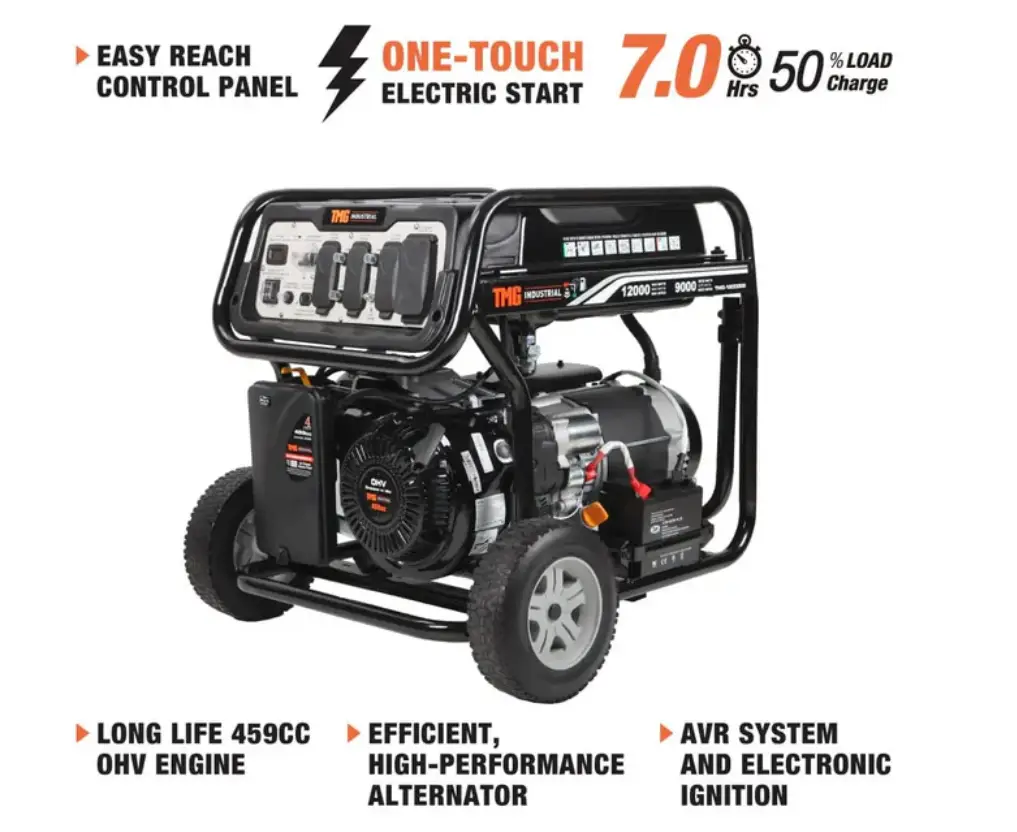
Selecting a twelve thousand watt gasoline generator requires evaluation of several technical factors:
· Total load requirements of connected equipment
· Starting and running wattage demands
· Available outlet types such as twenty ampere, thirty ampere, and fifty ampere connections
· Fuel capacity and runtime expectations
Operators must calculate the combined load to prevent overloading. Electrical distribution planning is essential for safe operation.
Factors Affecting Performance and Effectiveness
Generator performance is influenced by several conditions:
· Ambient temperature and weather conditions
· Fuel quality and storage practices
· Maintenance of engine and alternator components
· Load distribution across available circuits
Cold temperatures can affect engine starting and fuel efficiency. Regular maintenance ensures stable output and reduces the risk of failure during critical use.
Safety Considerations and Best Practices
Safe operation of gasoline generators is essential due to the presence of fuel and exhaust gases. Recommended practices include:
· Operating the generator in well ventilated outdoor areas
· Keeping the unit away from enclosed spaces to prevent exposure to exhaust gases
· Using proper grounding methods
· Inspecting cables and connections before use
· Allowing the unit to cool before refueling
Training operators in emergency shutdown procedures and load management reduces risks associated with improper use.
Equipment Types and Supporting Tools
Industrial power backup systems may include a range of equipment:
· Portable gasoline generators for flexible use
· Diesel generators for extended runtime
· Transfer switches for safe connection to electrical systems
· Extension cables and distribution panels
Each component plays a role in ensuring stable and safe power delivery.
Advantages and Limitations
Advantages include:
· Portability and ease of deployment
· Ability to support multiple types of equipment
· Independent operation from the main power grid
Limitations include:
· Dependence on fuel availability
· Limited runtime compared to permanent systems
· Noise and exhaust emissions during operation
Real World Application Example
A warehouse facility in Ontario implemented portable gasoline generators as part of its emergency preparedness plan. During a winter storm that caused a regional power outage, the facility used generators to maintain lighting and operate essential loading equipment. This allowed partial continuation of operations and prevented delays in time sensitive shipments.
Conclusion and Future Industry Trends
Twelve thousand watt TMG Industrial gasoline generators provide a practical solution for maintaining power continuity in industrial environments. Their effectiveness depends on proper load planning, safe operation, and regular maintenance.
Future trends include improved fuel efficiency, integration with hybrid power systems, and enhanced monitoring technologies. As industries place greater emphasis on resilience and safety, portable power solutions will continue to play an important role in operational planning.