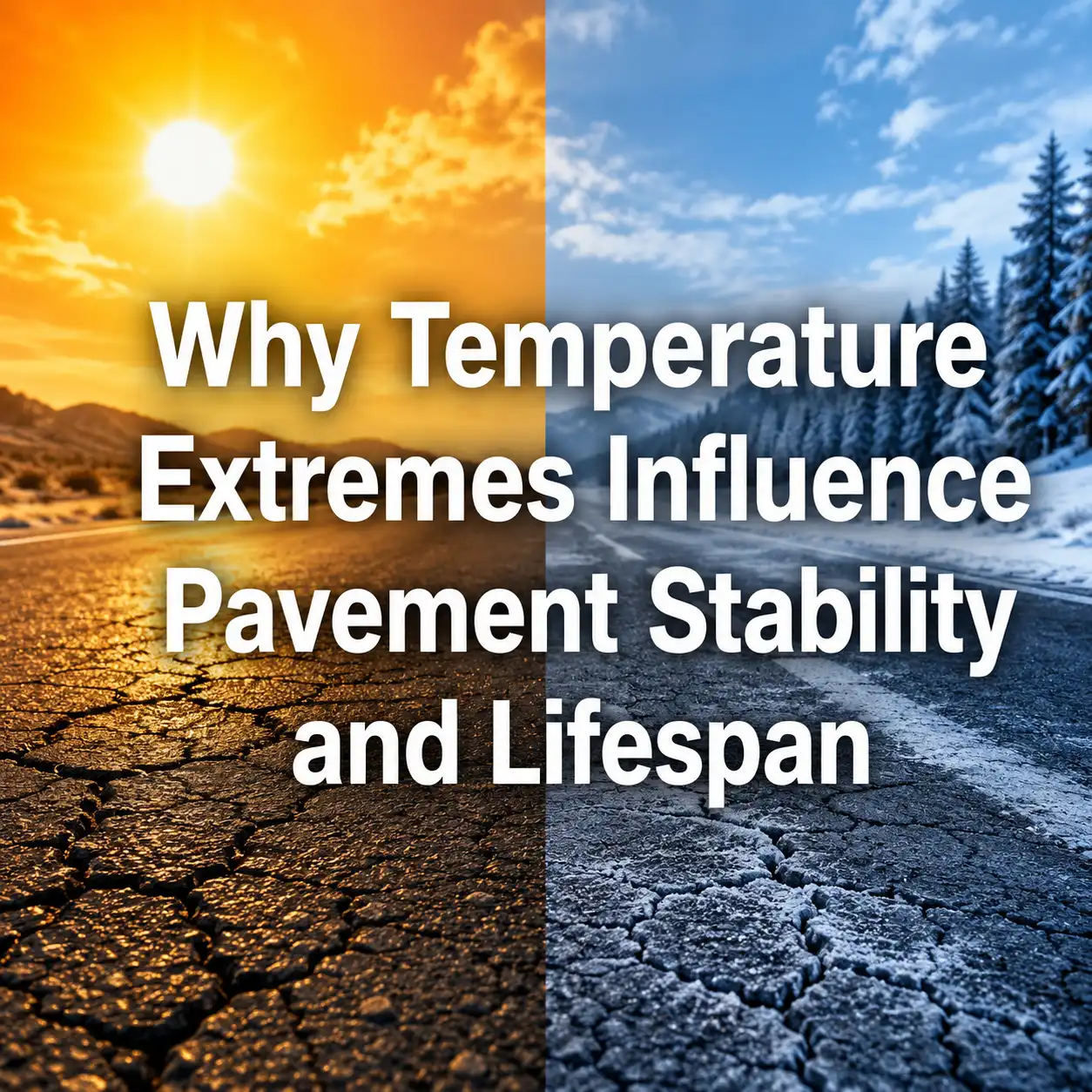
Pavement durability is heavily influenced by environmental conditions, especially temperature extremes. Roads, parking lots, and other paved surfaces are constantly exposed to heat, cold, moisture, and traffic loads, all of which affect their structural integrity over time. Understanding how temperature fluctuations impact pavement performance is essential for improving lifespan, reducing maintenance costs, and ensuring safer transportation infrastructure.
Understanding Pavement Structure and Composition
Pavement systems are made up of multiple layers designed to distribute weight and provide stability under constant use. The main components include asphalt binder, aggregates such as crushed stone and sand, and underlying base and sub-base layers that provide structural support.
Each layer plays a specific role. The asphalt binder acts as a glue that holds aggregates together, while the aggregates provide strength and resistance to deformation. The base layers help distribute loads from vehicles and prevent excessive stress on the surface.
When these components are properly designed and installed, pavement can withstand significant traffic and environmental exposure. However, its performance is highly dependent on material quality and construction practices.
How Cold Temperatures Affect Pavement Stability
Cold weather introduces several challenges to pavement systems. One of the most significant issues is the freeze-thaw cycle, where water enters small cracks in the surface, freezes, and expands. This expansion creates pressure that widens cracks and weakens the structure over time.
Repeated freezing and thawing can lead to potholes, surface deterioration, and loss of structural integrity. Cold temperatures also make asphalt more brittle, increasing the likelihood of cracking under stress.
Proper drainage is essential in cold climates to minimize water infiltration. Without it, moisture buildup accelerates damage and shortens pavement lifespan significantly.
Understanding Asphalt Performance in Extreme Heat
High temperatures also have a major impact on pavement performance. Asphalt is a temperature-sensitive material, and extreme heat can cause it to soften and lose structural strength. This can lead to deformation under vehicle loads, especially in high-traffic areas.
The effects of extreme heat on Asphalt become more noticeable during prolonged periods of hot weather. Asphalt binder becomes more pliable, increasing the risk of rutting, surface depressions, and uneven wear patterns. Over time, repeated exposure to high temperatures can also accelerate oxidation, causing the surface to dry out and become more prone to cracking.
UV radiation from the sun further contributes to aging by breaking down the chemical structure of the asphalt binder. This weakens the surface and reduces its flexibility, making it more vulnerable to damage from traffic and weather conditions.
To improve performance in hot climates, engineers often use specialized asphalt mixes designed to resist deformation and maintain stability under high temperatures. Proper compaction during installation is also critical, as it increases density and improves resistance to heat-related stress.
Combined Effects of Temperature Fluctuations
Pavement systems are often subjected to both hot and cold conditions throughout the year. These temperature fluctuations cause repeated expansion and contraction of materials, which gradually weakens the structure.
This cycle of movement leads to fatigue cracking, where small cracks develop and expand over time. Once cracks appear, they allow water to penetrate the surface, further accelerating deterioration during freeze-thaw cycles.
Regions with significant seasonal variation often experience faster pavement aging due to this combined stress. As a result, maintenance requirements tend to be higher in these environments.
Environmental and Usage Factors That Increase Damage
In addition to temperature extremes, several external factors contribute to pavement deterioration. Heavy traffic loads place continuous stress on the surface, especially in areas where the structure has already been weakened by environmental conditions.
Poor drainage systems allow water to accumulate, increasing the risk of infiltration and base layer erosion. Chemical exposure from oil leaks, road salts, and de-icing agents can also weaken the asphalt binder over time.
Construction quality plays a major role as well. Inferior materials or improper installation techniques can significantly reduce pavement lifespan, even in moderate climates.
Maintenance Strategies to Improve Pavement Lifespan
Regular maintenance is essential for extending the life of paved surfaces. Early detection of cracks and surface issues allows for timely repairs that prevent more serious damage.
Common preventative maintenance techniques include crack sealing, sealcoating, and resurfacing. Crack sealing prevents water from entering the pavement structure, while sealcoating protects the surface from oxidation and UV exposure. Resurfacing restores structural integrity when wear becomes more advanced.
Improving drainage systems is also an important maintenance strategy, as it reduces water-related damage and helps maintain a stable foundation.
Importance of Proper Installation and Engineering
Proper pavement installation is one of the most important factors in long-term performance. Engineering design must account for local climate conditions, including temperature extremes and seasonal variations.
Base preparation and compaction are critical steps in ensuring stability. A well-prepared foundation helps distribute loads evenly and reduces the risk of cracking or deformation.
Material selection should also be tailored to environmental conditions. Using the right asphalt mix for regional temperatures improves durability and reduces long-term maintenance needs.
Long-Term Impact of Temperature Extremes on Infrastructure
Temperature extremes significantly influence pavement lifecycle costs and overall infrastructure performance. Without proper design and maintenance, roads and paved surfaces can deteriorate quickly, leading to frequent repairs and increased expenses.
Planning for environmental stress is essential for building sustainable infrastructure. By considering temperature effects during design and maintenance planning, engineers can extend pavement lifespan and improve long-term reliability.
Building Durable Pavement Systems for Changing Climate Conditions
Temperature extremes present ongoing challenges for pavement stability and durability. Both heat and cold conditions contribute to material stress, structural weakening, and surface deterioration over time.
By understanding how environmental factors impact pavement performance and implementing effective maintenance and engineering strategies, it is possible to significantly improve lifespan and reduce repair costs. Proper planning, quality materials, and proactive care are essential for building durable pavement systems that can withstand changing climate conditions.