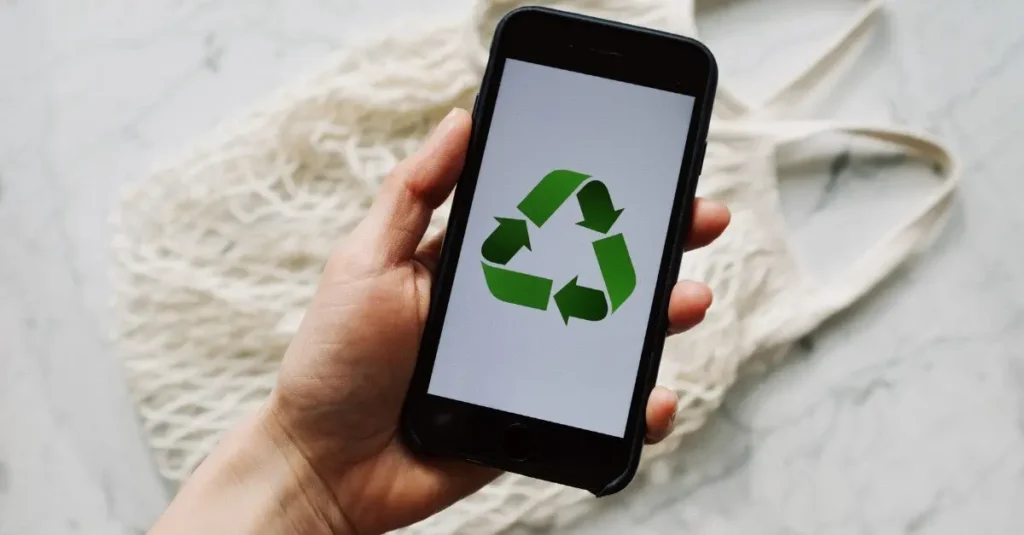
Cell phone recycling has become one of the most important steps any business, school, or organization can take to reduce environmental harm and protect sensitive information. The average smartphone is replaced every two to three years, which means hundreds of millions of devices reach the end of their useful life in the United States each year. Most of those phones still contain valuable materials, working components, and personal or corporate data that should never end up in a landfill or sitting in a desk drawer indefinitely.
Understanding what happens to a phone after it stops being used helps organizations make smarter decisions about disposal. The right partner for cell phone recycling can recover materials, protect privacy, and support sustainability goals all at once.
Why Cell Phone Recycling Matters More Than Ever
The volume of mobile devices in circulation is staggering. According to the United Nations Global E-waste Monitor, the world generated more than 62 million metric tons of electronic waste in a recent reporting year, and small IT and telecommunications equipment make up a significant portion of that total. Phones contribute heavily because they are replaced so often and discarded so easily.
When old phones sit in drawers or end up in the trash, several problems compound. Heavy metals leach into soil and water. Reusable materials are lost forever. Confidential information lingers on devices that anyone can later access. Recycling cell phones solves all three issues at once by safely processing the device, destroying the data, and returning materials to the supply chain. That is why cell phone recycling has shifted from a nice-to-have program into a baseline expectation for any responsible organization.
What Is Actually Inside a Cell Phone
A modern smartphone is a remarkable concentration of valuable and hazardous materials packed into a few ounces of glass, plastic, and metal. Knowing what is inside helps explain why proper recycling is so important.
Precious Metals and Recoverable Resources
Inside every phone you will find small but meaningful amounts of gold, silver, palladium, platinum, and copper. The United States Geological Survey has noted that one metric ton of discarded phones contains far more gold than a metric ton of mined ore. Aluminum, cobalt, and rare earth elements such as neodymium and dysprosium also appear in screens, magnets, batteries, and circuit boards. Recovering these resources through cell phone recycling reduces the need for new mining and helps stabilize global supply chains.
Hazardous Materials That Belong Out of Landfills
Alongside those valuable materials, phones also contain lithium, lead, trace mercury in older models, brominated flame retardants, and various plastics that release toxic compounds when burned or buried. Improper disposal allows these substances to enter groundwater and contaminate soil for decades. Responsible cell phone recycling captures and neutralizes these materials before they cause harm.
How the Cell Phone Recycling Process Works
The process behind cell phone recycling is more involved than tossing a phone into a bin. A certified recycler follows a structured chain of steps designed to maximize material recovery while protecting data and the environment.
Devices first arrive at a licensed facility and are logged into inventory. Each phone is evaluated for resale potential, since refurbishing a working device extends its life and reduces the need for new manufacturing. Phones that cannot be reused move into the next stage, where batteries are removed and processed separately. Lithium-ion batteries require careful handling because they pose fire risks if punctured or short-circuited, and they contain materials that must be recovered through specific channels.
After battery removal, the remaining phone components are shredded or mechanically separated. Magnets, eddy currents, and density sorting isolate the various metals. Plastics, glass, and circuit boards each move to dedicated downstream processors that extract the materials of value. A facility committed to a zero-landfill policy ensures that every fraction of the device is either recycled into raw material or, where possible, used as fuel rather than buried. This end-to-end approach is what separates a real cell phone recycling program from a simple drop-off bin.
Data Security and Cell Phone Recycling
For businesses, the most overlooked aspect of cell phone recycling is data protection. A phone may have contained corporate email, customer records, multi-factor authentication tokens, photographs of internal documents, or saved credentials. Wiping a phone through its settings menu is rarely sufficient for compliance with frameworks such as HIPAA, GLBA, FACTA, or various state privacy laws.
A qualified recycler treats every device as if it still holds sensitive information. That means certified data destruction using methods that meet recognized standards, full chain-of-custody tracking from pickup through processing, and a Certificate of Recycling that documents what was destroyed and when. For schools, hospitals, financial institutions, and government agencies, this documentation is often a regulatory necessity rather than a perk. Cell phone recycling done correctly closes the loop on both physical and digital risk.
Why Organizations Should Prioritize Cell Phone Recycling
Beyond compliance and environmental responsibility, there are practical reasons why organizations of every size benefit from a formal cell phone recycling program. Stockpiling old devices ties up storage, creates fire hazards from aging batteries, and makes future audits more complicated. Phones that sit in a closet for years also lose any residual resale value they once had.
A structured program turns end-of-life devices into a managed asset rather than a liability. Sustainability reporting becomes easier when there is documented evidence of materials diverted from landfills. Employees and stakeholders see that the organization takes its environmental commitments seriously. For institutions that handle protected information, cell phone recycling becomes part of a defensible data governance posture rather than an afterthought.
Getting Started With Responsible Cell Phone Recycling
The simplest way to begin is to gather every old phone in the organization, document what is being recycled, and partner with a licensed electronics recycler that handles pickup, transport, data destruction, and material recovery under one roof. The right partner will provide certifications, follow a zero-landfill policy, and tailor service to the volume and security needs of the client.
Cell phone recycling is no longer optional for any organization that values sustainability, privacy, and operational discipline. With the right process in place, every retired phone becomes part of a cleaner supply chain and a more secure information environment, rather than a forgotten device gathering dust or polluting the planet.