Budget friendly interior design proves that creating a beautiful home does not require a large budget. Many people assume that stylish interiors depend on expensive furniture or designer pieces, but thoughtful choices matter far more than cost. Interior design on a budget focuses on creativity, intention, and understanding how a space is used. With the right approach, any home can feel welcoming, personal, and comfortable without overspending or feeling restricted. Many people also boost their decorating funds through small side hustles, such as matched betting or other flexible income streams, to help afford new furniture and decorative touches without straining their main budget.
Understanding the Basics of Budget Friendly Design
The foundation of budget friendly interior design starts with understanding your space. Every room has unique features that can be enhanced rather than hidden. Light, layout, and existing furniture all play an important role in shaping how a room feels. Instead of replacing everything, working with what you already own helps reduce costs while encouraging creativity.
Budget conscious design also involves setting clear priorities. Deciding what matters most in a space helps guide spending decisions. When design choices are intentional, the result feels cohesive and thoughtful rather than cluttered or unfinished.
Using Color to Transform a Space
Color is one of the most powerful and affordable tools in interior design. A fresh coat of paint can completely change the mood of a room and create a sense of renewal. Light colors can make a space feel larger and brighter, while deeper tones add warmth and character when used thoughtfully.
Paint allows for experimentation without long term commitment. It offers flexibility to refresh a space as tastes change. By choosing colors that complement natural light and existing furnishings, a room can feel balanced and inviting without requiring major purchases.
Smart Furniture Choices on a Budget
Furniture does not need to be expensive to be effective. Budget friendly interior design focuses on function, comfort, and proportion rather than price tags. Choosing pieces that suit the scale of a room prevents overcrowding and improves flow.
Second hand furniture and repurposed items offer opportunities to add character and uniqueness. With simple updates such as new fabric or a fresh finish, older pieces can feel modern and intentional. This approach supports sustainability while keeping costs low.
Styling With Texture and Layers
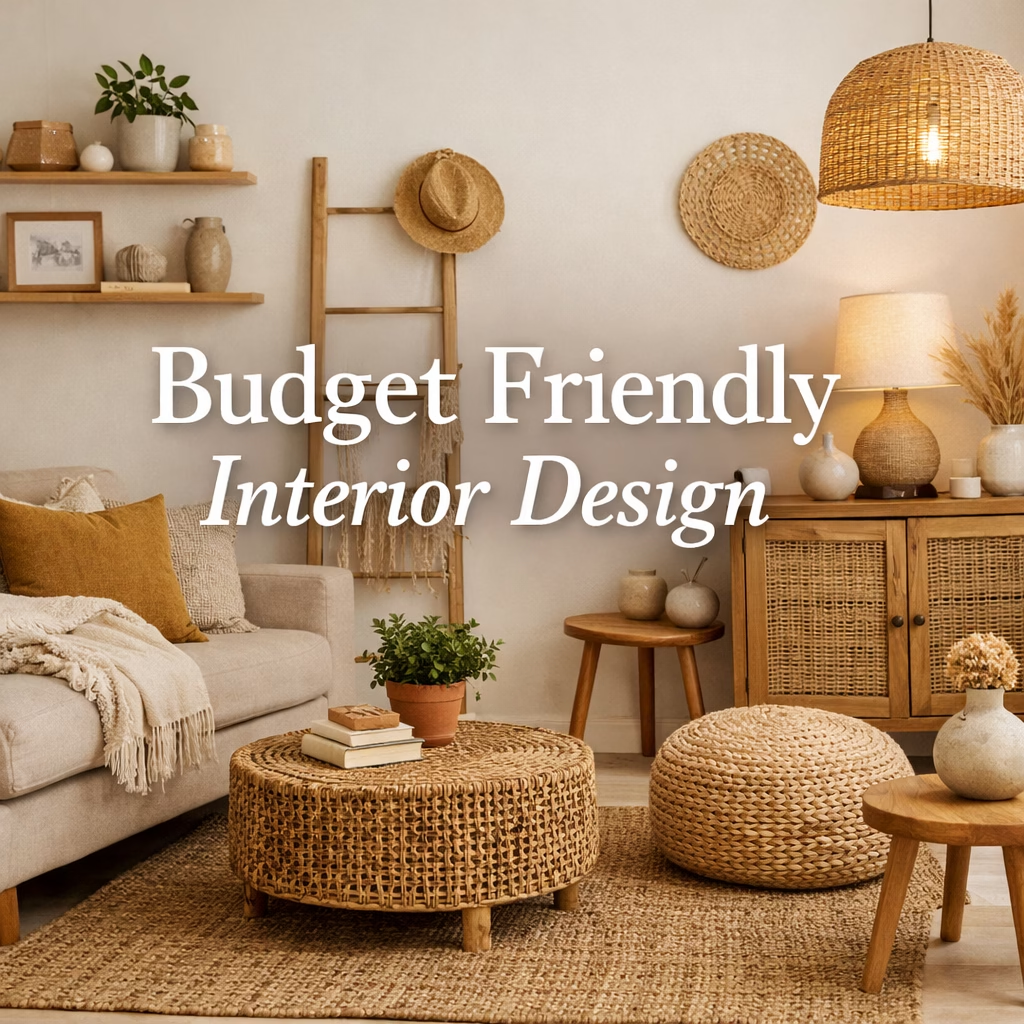
Texture adds depth and interest to a room without requiring large investments. Soft furnishings such as cushions, throws, and rugs create warmth and comfort. Layering textures helps spaces feel complete and thoughtfully designed.
Natural materials often add richness to interiors while remaining affordable. Mixing smooth and textured surfaces creates contrast and visual interest. These details help elevate a space and make it feel curated rather than basic.
Lighting That Enhances Atmosphere
Lighting plays a crucial role in how a space is experienced. Budget friendly interior design uses lighting strategically to create atmosphere and functionality. Natural light should be maximized whenever possible by keeping windows clear and reflective surfaces balanced.
Affordable lighting options can dramatically change how a room feels. Warm light creates comfort, while focused lighting supports productivity. Thoughtful placement matters more than expensive fixtures, making lighting an accessible design tool.
Personal Touches and Meaningful Decor
Personal items add character and authenticity to a home. Budget friendly interior design embraces decor that tells a story rather than following trends. Artwork, photographs, and meaningful objects create emotional connection and individuality.
Displaying personal items thoughtfully prevents clutter while enhancing style. When decor reflects personal experiences, a home feels lived in and welcoming. This approach reduces the need for constant updates and encourages mindful decorating.
Creating Balance and Avoiding Overcrowding
One common mistake in budget interior design is trying to fill every space. Balance is achieved through restraint and intentional placement. Allowing room to breathe helps highlight design choices and creates calm.
Negative space is just as important as decorative elements. By focusing on simplicity and flow, rooms feel more spacious and cohesive. This approach supports both comfort and visual appeal without additional spending.
Long Term Thinking and Sustainable Choices
Budget friendly interior design benefits from long term thinking. Choosing durable materials and timeless styles reduces the need for frequent replacements. This approach saves money over time and supports sustainability.
Small changes made gradually often have the greatest impact. Interior design does not need to be completed all at once. Allowing a home to evolve naturally leads to more satisfying and personal results.
Designing a Home That Feels Good
Ultimately, budget friendly interior design is about creating a space that feels good to live in. Comfort, functionality, and personal expression matter more than trends or price. When design choices support daily life, a home becomes a place of ease and enjoyment.
With creativity and intention, budget friendly interior design allows anyone to create a home they love. Thoughtful decisions, patience, and self trust transform spaces into environments that feel balanced, welcoming, and uniquely personal.
Budget friendly design encourages confidence and experimentation. It reminds people that good design is accessible and personal. By trusting instincts and making small changes, interiors become reflections of everyday life. A well designed home supports rest, creativity, and connection. When style and practicality meet, budget friendly interiors feel intentional, warm, and truly lived in without pressure or unnecessary financial strain every day.