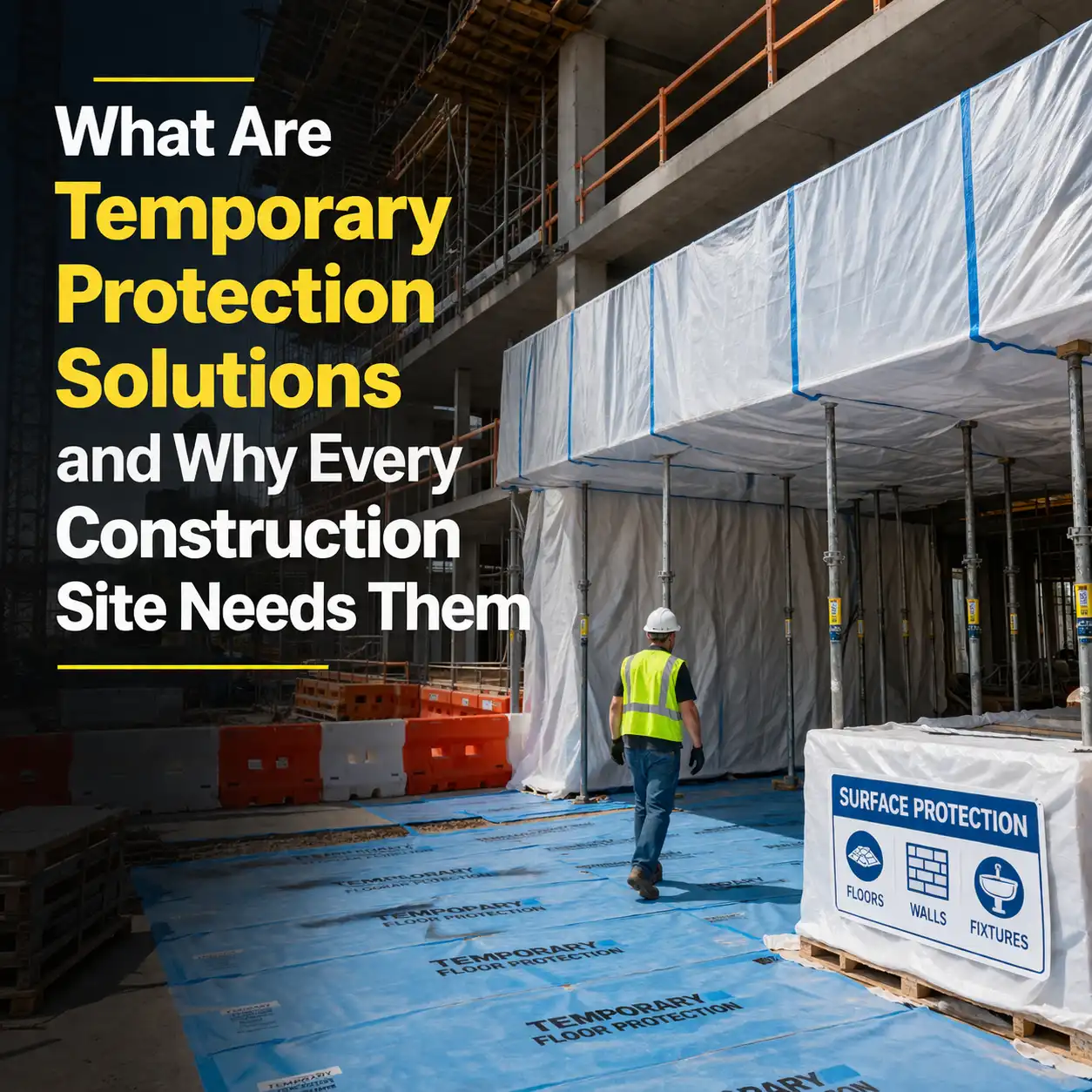
Construction sites are bustling environments full of activity, movement, and potential hazards. From renovations in a residential home to large commercial builds, every project presents challenges that can affect the quality, safety, and efficiency of the work. One critical aspect that is often overlooked is protection. Temporary protection solutions play a vital role in safeguarding surfaces, materials, and people on site. Understanding what these solutions are and why they are essential can significantly improve project outcomes and reduce unexpected costs.
Defining Temporary Protection Solutions
Temporary protection solutions refer to measures implemented to protect surfaces, edges, floors, and equipment during the course of a construction or renovation project. Unlike permanent installations or finishes, these solutions are designed to be easily applied and removed without causing damage to the underlying surfaces. They act as a buffer between the construction activity and the existing finishes, preventing scratches, stains, dents, dust accumulation, and other forms of damage.
These solutions cover a broad range of applications. They can protect timber, tile, vinyl, or concrete floors from heavy foot traffic and machinery. They can shield walls and furniture from paint splatter, dust, and accidental impact. They also safeguard delicate edges, corners, and fixtures from chipping or denting during construction. Essentially, temporary protection solutions provide a controlled environment in which work can be carried out without compromising the integrity of the building or materials.
Types of Temporary Protection Solutions
There are numerous options available when it comes to temporary protection, each suited to different aspects of a construction site. Some of the most common include:
- Floor Protection
Floors are among the most vulnerable areas on a construction site. Timber, tiles, and polished concrete can all suffer damage from dropped tools, paint, or construction debris. Temporary floor protection can include heavy duty paper sheets, cardboard, plastic sheeting, adhesive films, and interlocking floor mats. These materials create a barrier between the floor and potential hazards, absorbing impact and preventing scratches or stains. - Edge and Corner Protection
Edges and corners of cabinets, walls, doors, and windows are easily chipped or dented. Foam protectors, soft plastics, or custom-fit edge guards can be installed to absorb impact and maintain the pristine condition of these areas. They are particularly useful in high-traffic zones where workers are moving tools and materials frequently. - Dust Containment
Dust is a common by-product of construction and renovation. It can settle on surfaces, damage fixtures, and even affect the health of workers. Temporary dust protection often includes plastic sheeting to create barriers, temporary walls, or zippered dust containment systems. These measures confine dust to the work area, preventing it from spreading to other parts of the property. - Surface Protection
Worktops, cabinetry, and other delicate surfaces can be protected using adhesive films, protective cloths, or soft coverings. This prevents scratches, paint marks, and other forms of damage that may occur during installation or renovation work. - Hardware and Fixture Protection
Small items such as handles, knobs, switches, and light fittings are often overlooked during construction but are highly susceptible to scratches and dents. Protective covers or wraps can be used to ensure these finishes remain in perfect condition.
The Importance of Temporary Protection on Construction Sites
Implementing temporary protection solutions offers numerous benefits that go beyond merely preserving surfaces. These advantages have a direct impact on project efficiency, cost, and safety.
- Preservation of Surfaces
The most obvious benefit of temporary protection is the preservation of surfaces. Floors, walls, edges, and fixtures remain in their original condition despite heavy activity on site. This reduces the need for repairs or replacements and ensures that the final presentation meets the required standards. - Cost Savings
Damage to surfaces, whether minor or significant, can lead to unexpected costs. Scratches, dents, or paint marks may require professional repair or replacement, adding both time and expense to a project. Temporary protection reduces these risks, ultimately saving money and resources. - Improved Safety
Construction sites are inherently hazardous environments. Loose debris, spilled liquids, and dust can create slip or trip hazards. Temporary floor coverings and dust barriers can reduce these risks, creating a safer environment for workers and visitors. - Enhanced Efficiency
When surfaces are protected, workers can focus on completing their tasks without worrying about causing damage. This increases overall efficiency and reduces delays caused by cleaning or repairing accidental damage. - Professionalism and Client Satisfaction
For contractors and builders, maintaining a clean and protected worksite demonstrates professionalism. Clients are more likely to be satisfied when they see that their property is being treated with care. Temporary protection solutions convey attention to detail and commitment to quality.
Choosing the Right Temporary Protection Solution
Selecting the appropriate temporary protection solution depends on the type of project, surfaces being protected, and the level of activity expected on site. For floors, heavy duty paper or cardboard may suffice for light traffic, while reinforced mats or adhesive films are better for high-traffic areas or where heavy equipment will be used. For edges and corners, foam guards are suitable for most applications, while custom-fit protectors may be necessary for delicate finishes. Dust containment solutions should be chosen based on the extent of dust-producing work, with zippered barriers or temporary walls used for larger areas.
Proper installation is equally important. Temporary protection should be secured to prevent shifting, tripping hazards, or gaps that leave surfaces exposed. Regular inspections ensure that protective measures remain intact throughout the duration of the project.
Common Mistakes to Avoid
While temporary protection solutions are highly beneficial, improper use can reduce their effectiveness. Some common mistakes include:
- Failing to cover high-traffic areas thoroughly, leaving floors or edges exposed.
- Using low-quality materials that tear, shift, or wear out quickly.
- Neglecting dust containment in areas where fine particles can cause damage or health issues.
- Not securing protective layers properly, leading to movement or tripping hazards.
- Overlooking small fixtures and hardware that are vulnerable to scratches or dents.
Avoiding these mistakes ensures that temporary protection serves its intended purpose and maximises the benefits for your project.
Conclusion
Temporary protection solutions are an essential component of every construction or renovation project. They safeguard floors, edges, surfaces, and fixtures from damage, reduce costs, improve safety, and enhance overall efficiency. By creating a controlled environment on site, these measures allow work to progress smoothly without compromising quality.
From paper sheets and plastic sheeting to foam edge guards and dust containment barriers, there is a wide range of temporary protection solutions available to suit any project. Choosing the right solution, installing it correctly, and regularly inspecting it ensures maximum effectiveness.
Every construction site, whether residential or commercial, benefits from implementing temporary protection. It demonstrates professionalism, protects valuable surfaces, and reduces unexpected delays and costs. In the fast-paced and sometimes unpredictable world of construction, investing in temporary protection solutions is not merely a precaution; it is a practical and essential strategy for successful project completion.
Protecting your site with temporary measures ensures that once the project is complete, the results reflect skill, care, and quality workmanship. It is a small step that can make a significant difference in the final outcome and overall satisfaction of clients, workers, and stakeholders.