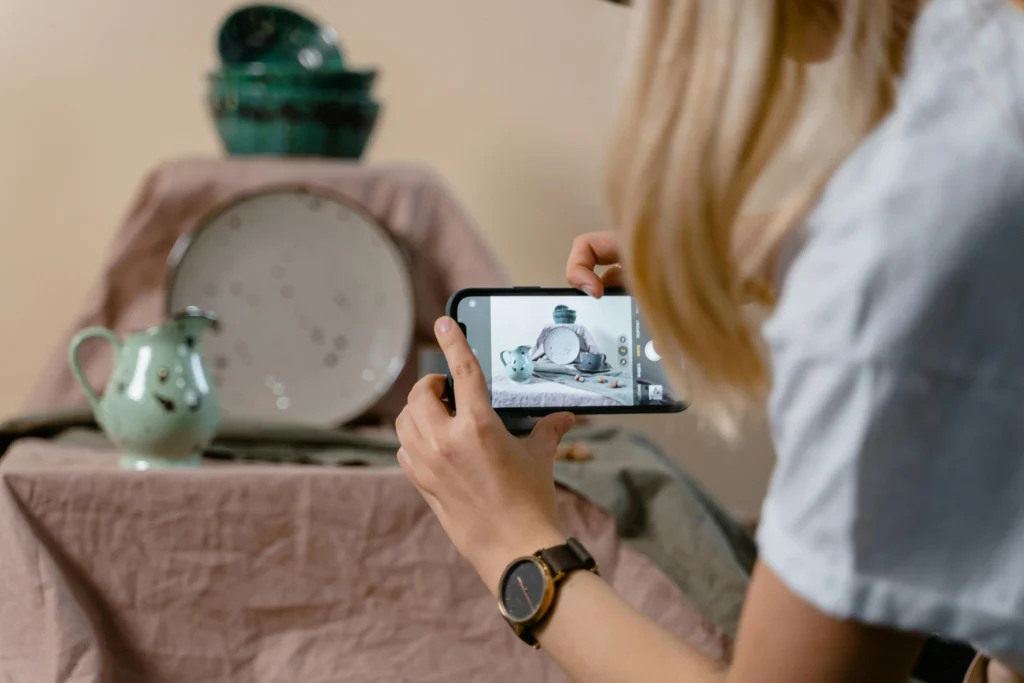
Running an ecommerce business in 2026 means producing more visual content than ever before. Between your Shopify store, Amazon listings, Instagram feed, email campaigns, and paid ads, a single product might need a dozen different images across different platforms and formats. For years, the standard advice was to outsource product photography to a professional studio. But an increasing number of small and mid-sized ecommerce brands are discovering that bringing photography in-house is not only possible but often delivers better results at a fraction of the ongoing cost.
This shift is not about cutting corners. It is about building a repeatable visual system that gives brands creative control, faster turnaround, and the ability to produce fresh content on demand without waiting for studio availability or paying per-image fees that add up quickly as catalogs grow.
The Real Cost of Outsourcing Product Photography
Most ecommerce founders are familiar with the sticker shock of professional product photography. Studio rates for tabletop product shoots typically range from $25 to $75 per image for simple white-background shots, and styled lifestyle images with props and backdrops can run $100 to $300 per image or more. For a brand with 50 products that needs five images each across multiple styles, the math adds up fast. A single shoot can easily cost $5,000 to $15,000, and those images may only be relevant for one season before the brand needs fresh content.
Beyond the direct cost, outsourcing creates bottlenecks. Studio schedules rarely align with product launch timelines. Feedback loops between the brand and the photographer add days or weeks to turnaround. And creative control is inherently limited when someone else is making styling and lighting decisions. These friction points are why more brands are investing in their own in-house capabilities, starting with essential tools like lighting, a camera or high-end smartphone, and professional product photography surfaces that provide the textured backgrounds needed to create polished, on-brand imagery without a studio rental.
The initial investment in an in-house setup is typically recoverable within one or two product shoots when compared to outsourced studio rates. After that, the marginal cost of each new image drops close to zero.
What an In-House Setup Actually Looks Like
The phrase in-house studio conjures images of expensive lighting rigs, professional-grade camera bodies, and dedicated rooms full of equipment. The reality for most small ecommerce brands is far more modest and far more practical. A functional in-house product photography setup can fit on a single desk or folding table and be stored in a closet when not in use.
The core components are straightforward. A modern smartphone with a quality camera or an entry-level mirrorless camera provides more than enough resolution for ecommerce imagery. A basic LED panel light with adjustable color temperature handles lighting. A tripod ensures sharp, consistent framing. And a small collection of photography backdrop boards provides the variety of surfaces needed to style products for different platforms and audiences.
The total investment for this setup typically falls between $300 and $600, which is less than what most studios charge for a single half-day product shoot. The return on investment is almost immediate, and the ongoing cost is essentially limited to the time spent shooting and editing.
Why Visual Consistency Drives Ecommerce Conversions
One of the most underrated advantages of in-house photography is the ability to maintain perfect visual consistency across an entire product catalog. When images are shot across different studios, by different photographers, or at different times of year, subtle inconsistencies in lighting, color temperature, and styling creep in. These inconsistencies might seem minor in isolation, but when a customer is browsing a product category page with dozens of listings, the visual noise undermines the perception of a cohesive, professional brand.
In-house shooting with a standardized setup eliminates this problem entirely. Every product is photographed under the same light, on the same surfaces, with the same camera settings and editing presets. The result is a catalog that looks unified and intentional, which directly impacts consumer trust and purchase confidence. Studies consistently show that visual consistency is one of the strongest signals of brand quality in online retail.
This consistency also matters for marketplace algorithms. Platforms like Amazon and Etsy favor listings with professional, standardized imagery in their search rankings. Clean, well-lit product photos on appropriate backgrounds are a ranking factor, not just an aesthetic preference.
The Content Velocity Problem
Social media marketing has fundamentally changed the volume of visual content ecommerce brands need to produce. A decade ago, a brand might shoot its product catalog once a year and use those images across all channels. Today, brands need fresh images weekly for Instagram posts, Stories, Reels, email campaigns, seasonal promotions, A/B testing ad creative, and marketplace listing optimization. The content appetite of modern ecommerce is relentless.
Outsourcing this volume of content is prohibitively expensive for most small brands. A single Instagram post might require a styled product shot that would cost $100 or more from a professional studio. Multiply that across four or five posts per week, and the annual cost of social media imagery alone could exceed $20,000. In-house capabilities make this volume sustainable by reducing the per-image cost to essentially zero after the initial equipment investment.
Speed matters too. When a trend emerges on social media or a seasonal moment presents an opportunity, in-house brands can shoot and publish new content the same day. Outsourced brands are stuck waiting for studio availability and delivery timelines, often missing the window entirely.
Choosing the Right Surfaces for Your Product Category
The backdrop or surface a product is photographed on communicates as much about the brand as the product itself. Different product categories perform best on different surface types, and understanding this relationship is one of the most important decisions an in-house photography operation makes.
Skincare, beauty, and wellness products tend to perform well on marble, light stone, and clean neutral surfaces that communicate luxury and cleanliness. Artisan food products, candles, and handcrafted goods look best on rustic wood, linen, and warm-toned textures that convey authenticity and craftsmanship. Tech products and modern accessories pop on dark concrete, matte black, and minimalist surfaces that feel contemporary and sleek.
The practical solution for most brands is to invest in a small collection of double-sided photography boards that cover the tonal range they need. A set of three boards provides six different surfaces, which is enough variety to handle seasonal content changes, A/B testing for ad creative, and platform-specific styling without requiring a large storage footprint or significant investment.
The Role of AI in Modern Product Photography Workflows
Artificial intelligence has introduced powerful new tools into the product photography workflow. Background removal has become nearly instant with tools like remove.bg and built-in features in Canva and Adobe Photoshop. Image enhancement algorithms can automatically correct white balance, adjust exposure, and sharpen details. And generative AI can now place products into lifestyle contexts, creating composite images that show products in realistic room settings or outdoor environments.
However, these tools work best when they start with high-quality source material. AI background removal produces cleaner results when the original image has clear contrast between the product and its background. Enhancement algorithms create more natural-looking adjustments when the original exposure and white balance are already close to correct. And even generative placement tools benefit from well-lit, properly styled source photography.
The practical takeaway is that AI tools amplify the quality of your source photography rather than replacing the need for good fundamentals. A brand that invests in proper lighting, quality surfaces, and consistent shooting technique will get dramatically better results from every AI tool in the pipeline than a brand cutting corners on the basics.
Building a Repeatable Photography Workflow
The most efficient in-house photography operations are built around standardized, repeatable workflows. This means documenting every aspect of the shooting process so that results are consistent regardless of who is behind the camera or what day the shoot happens. The workflow should include a lighting diagram showing the position and angle of lights relative to the product, a list of camera or phone settings including ISO, aperture, and white balance, a surface and prop guide matching product categories to specific backdrops and styling elements, and a post-production checklist covering editing presets and export specifications for each platform.
With a documented workflow, product photography becomes a systematic process rather than a creative guessing game each time. New products can be added to the catalog quickly, seasonal refreshes can be executed in a single afternoon, and team members can be trained on the system without requiring professional photography experience.
The Competitive Advantage of Speed and Control
In ecommerce, the brands that grow fastest are often the ones that can iterate most quickly on their visual content. When a product listing is underperforming, an in-house team can reshoot it with different styling and have updated images live within hours. When a new marketing campaign requires a specific aesthetic, the team can produce purpose-built imagery the same day. When a competitor launches a similar product, the brand can respond with differentiated visual content immediately rather than waiting days or weeks for a studio booking.
This speed and creative control is a genuine competitive advantage that compounds over time. Brands with in-house photography capabilities produce more content, test more variations, respond to trends faster, and maintain tighter visual brand standards than their outsourcing-dependent competitors. The gap widens with each product launch and each marketing campaign.
Final Thoughts
The shift to in-house product photography is not a trend but a structural change in how small ecommerce brands operate. The tools, surfaces, and techniques required to produce professional-quality imagery have become accessible enough that the old model of outsourcing everything to expensive studios no longer makes sense for most growing brands. The investment required is modest, the learning curve is manageable, and the return is measurable in both reduced costs and improved content performance.
For small ecommerce brands looking to compete on visual quality without competing on studio budgets, building an in-house photography capability is one of the highest-return investments available. Start with the fundamentals, build a repeatable system, and let the compounding benefits of speed, consistency, and creative control do the rest.