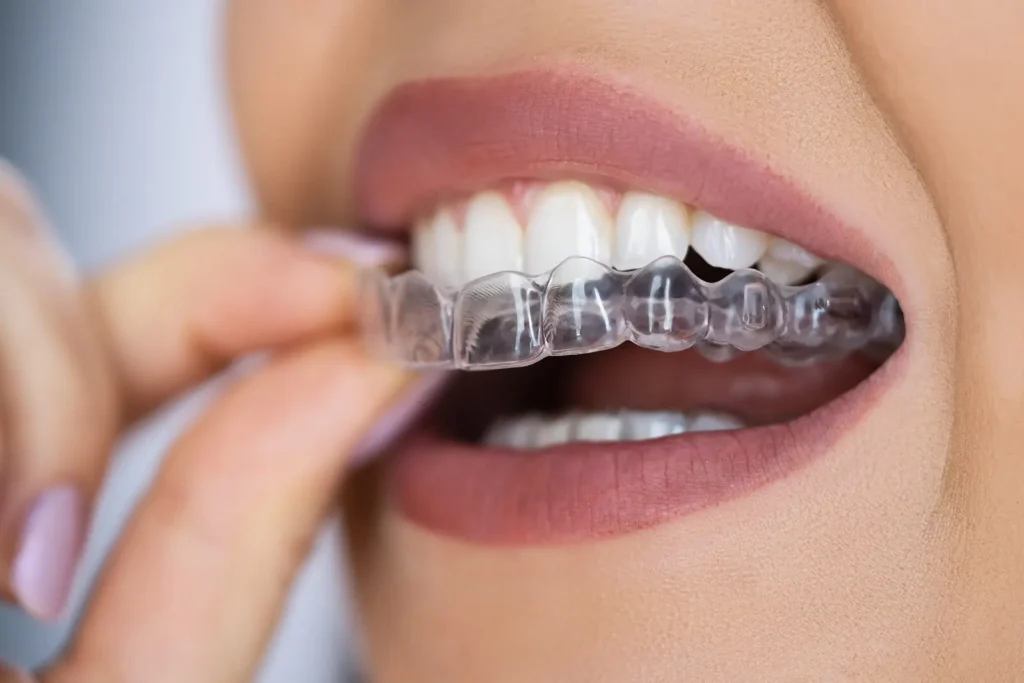
You might be feeling a mix of excitement and worry about clear aligners. You want straighter teeth and a confident smile, but you also hear stories about pain, bite problems, or teeth not moving the way they should. Maybe you wonder if the trays are really doing their job, or if you are doing something wrong by forgetting them for a few hours here and there. That’s why many people turn to dentists in Temple, GA for guidance and reassurance about their clear aligner treatment.
That tension is very real. You are trying to improve your smile, yet you do not want to harm your teeth or waste time and money. Because of this, understanding the importance of monitoring progress during clear aligner treatment can be the difference between a smooth journey and a frustrating one.
In simple terms, here is the big picture. Clear aligners can work very well, but only if three things stay in sync. The plan your dentist or orthodontist created. The way your teeth are actually moving in your mouth. And how closely you follow the wear schedule. Regular monitoring is what keeps those three pieces aligned so your treatment stays safe, effective, and on track.
Why does clear aligner treatment feel so uncertain sometimes?
Clear aligners are almost invisible and easy to remove, which is exactly why people love them. Yet that same freedom can leave you wondering if anything is really happening. You do not see metal wires tightened in a chair. You just swap trays at home and hope your teeth are following the plan.
On top of that, the marketing for mail order or “DIY” aligners can make it sound like monitoring is optional. You answer an online questionnaire, mail an impression, then wait for a box of trays. No in person exams. No X rays. No one physically checking your bite. That might sound simple, but simple is not always safe.
Research has started to raise concerns about what can happen when clear aligner treatment is not closely supervised. For example, a recent study in the orthodontic research literature looked at outcomes when aligners were used without consistent professional guidance. The results pointed to higher risks of incomplete tooth movement, bite changes, and the need for extra corrective treatment later.
Even public health organizations are paying attention. The National Institute of Dental and Craniofacial Research has highlighted that clear plastic aligners can affect tooth surfaces and enamel, especially if forces or wear patterns are not monitored and adjusted over time. You can read more in their discussion of how aligners may influence enamel brittleness.
So where does that leave you if you just want straighter teeth without making a mistake you regret?
What can go wrong if progress is not checked regularly?
Think of your clear aligner plan as a map. Your dentist or orthodontist designs a series of small movements that should happen tray by tray. Monitoring progress during clear aligner treatment is like checking your GPS as you drive. Without those checkpoints, you might be off course for months before anyone notices.
Here are some of the most common problems that show up when monitoring is skipped or too infrequent.
Teeth not tracking with the trays. Sometimes a tooth moves more slowly than expected or resists movement altogether. The tray then no longer fits snugly. If this is not caught early, every tray after that is a little “off,” and the whole plan drifts.
Bite problems and jaw discomfort. Teeth do not just move forward and back. They affect how your upper and lower jaws meet. Without bite checks, you can end with teeth that look straight but do not fit together well. The American Association of Orthodontists has addressed these concerns in their guidance for adults considering orthodontic treatment, stressing the importance of professional oversight.
Enamel and gum issues. If trays are not fitting correctly, they can create unusual pressure points. Combined with clenching, grinding, or poor cleaning habits, that pressure can stress enamel or irritate gums. Over time, this can mean sensitivity, chipping, or gum inflammation.
Longer and more expensive treatment. When things drift, your provider may have to “reboot” your case with new scans and new trays. That usually means more time, more appointments, and sometimes more cost. It is emotionally draining too, because you feel like you are starting over.
All of this can feel overwhelming. You might wonder if clear aligners are worth it at all. The good news is that most of these problems are preventable when you treat monitoring as part of the treatment, not an optional extra.
How does professional monitoring compare to a DIY approach?
To make this more concrete, it helps to compare closely supervised clear aligner progress tracking with a more hands off, mail based model. Every person is different, but there are some common patterns that can guide your decision.
| Aspect | Monitored by a Family Dentist or Orthodontist | Minimal or DIY Monitoring |
|---|---|---|
| Initial evaluation | In person exam, X rays, photos, and bite analysis to see if aligners are appropriate | Impressions or scans only, limited or no in person exam or X rays |
| Progress checks | Regular in office or virtual visits, with adjustments if teeth are off track | Self reported progress, limited ability to adjust treatment once trays are made |
| Safety monitoring | Ongoing checks for enamel wear, gum health, and bite changes | Problems often noticed late, sometimes only after discomfort or visible damage |
| Convenience | Appointments plus the option for secure teledentistry check ins in some practices | Fewer formal visits, but more responsibility on you to judge if things are going well |
| Likelihood of needing retreatment | Usually lower when monitored and adjusted early | Higher risk of refinements, bite corrections, or even braces later |
This is why many people choose to work with a trusted family dentist or orthodontist for their aligners. The trays are only part of the treatment. The real value comes from the trained eyes watching how your mouth responds over time.
What can you do right now to keep your aligner treatment safe and effective?
You do not have to become an expert in tooth movement to protect yourself. You only need a few clear, practical habits that support consistent clear aligner treatment monitoring.
1. Commit to regular professional check ins
If you are already in treatment, look at the schedule your provider gave you and ask yourself honestly whether you have followed it. If you have missed visits, call and explain what has happened. A good provider would rather see you late than not at all. If you are considering treatment, ask up front how often your progress will be checked, and whether they offer secure virtual visits for quick questions or aligner fit checks.
2. Pay attention to fit, comfort, and small changes
You know your mouth better than anyone. If a tray suddenly feels too loose, rocks on your teeth, or causes sharp pain in one small area, that is a signal to reach out. Do not just push through and hope the next tray will fix it. Watch for new headaches, jaw soreness, or difficulty chewing on one side. These can be early signs that your bite is shifting in a way that needs attention.
3. Protect your teeth between visits
Monitoring is not only about appointments. It is also about what happens every day at home. Wear your aligners for the recommended number of hours. Most plans require 20 to 22 hours per day. Clean your trays and your teeth carefully so plaque does not sit trapped against enamel. Avoid chewing on the trays or using them as a “night guard” if your provider has not approved that. These small habits support the health of your teeth so that when your dentist checks your progress, there are fewer surprises.
Moving forward with more confidence in your aligner journey
Wanting a straighter smile is not shallow. It is about how you show up at work, in photos, and with the people you love. You deserve a process that feels safe, clear, and supported, not something you have to figure out alone while hoping for the best.
When you respect the importance of monitoring progress during clear aligner treatment, you give yourself the best chance at a healthy bite, strong teeth, and results that last. Regular check ins, honest communication with your provider, and careful daily habits form a quiet safety net around your treatment.
You do not have to be perfect. You only need to be proactive. If something feels off, speak up. If you have not had your progress checked in a while, schedule that visit. Your future smile will thank you for the care you put into each step, not just the final photo when the aligners are gone.