Adventure travel has always been about excitement, challenge, and unforgettable experiences. From mountain climbing in Scotland to coasteering in Wales and guided hiking across remote landscapes, the UK adventure travel sector continues to attract travelers looking for something beyond the ordinary. But in recent years, something important has changed. Safety is no longer just a requirement. It is becoming a true competitive advantage.
Today’s travelers are more informed and more selective. Before booking, they read reviews, compare operators, and study company policies. They want excitement, but they also want reassurance. Families, solo travelers, and even experienced adventurers now ask deeper questions about risk management, emergency response, equipment standards, and guide qualifications. This shift has created a new reality. The businesses that treat safety as a core part of the customer experience are earning stronger trust and better long-term growth.
Research in tourism behavior has shown that trust plays a major role in purchase decisions, especially in higher-risk travel categories. A traveler choosing between two similar experiences will often select the company that communicates safety more clearly. In this way, safety has moved from the background into the center of brand positioning.
Trust Is the New Currency in Adventure Travel
Adventure travel is emotional by nature. Customers buy more than a service. They buy confidence, excitement, and peace of mind. If travelers feel uncertain about safety, they hesitate. If they feel secure, they are more likely to commit.
Many UK operators have realized that visible safety standards improve conversion rates. Clear pre-trip communication, transparent risk briefings, qualified staff, and visible emergency protocols create confidence. This is especially important for first-time adventurers who may feel nervous but curious.
Chris Feuerman, Founder of Key West Charter Boat, understands how trust shapes customer decisions. “When guests step onto one of our boats, they are placing complete trust in our team. I have learned that safety communication is not separate from the customer experience. It is part of it. When people feel informed and protected, they relax, engage more, and enjoy the experience fully.” His experience in high-responsibility charter operations highlights how trust directly improves customer satisfaction.
For UK adventure businesses, this applies across the board. Whether offering kayaking, climbing, or guided wilderness trips, safety messaging influences bookings. Trust reduces hesitation. Hesitation reduces conversions.
Legal Awareness Is Driving Better Standards
As customer expectations rise, legal accountability is becoming more important. Adventure businesses cannot rely on vague disclaimers or minimal compliance. They must demonstrate active responsibility.
Mark Gonzales of Gonzales Law Offices offers a legal perspective. “I have seen how incidents often expose weaknesses in planning rather than unavoidable accidents. Businesses that document training, maintain equipment, and communicate risks clearly are in a stronger position. Good safety practices do more than protect customers. They protect the business itself.” His background in injury law reinforces the importance of proactive risk management.
For UK operators, legal expectations around health and safety are already strong. However, businesses that go beyond minimum compliance often build stronger reputations. Customers increasingly notice the difference between businesses that simply meet requirements and those that genuinely prioritize wellbeing.
This proactive mindset also reduces insurance risk. Fewer incidents can mean better claims histories and potentially stronger insurer relationships. Over time, safety investments can improve both operations and profitability.
Better Training Creates Better Experiences
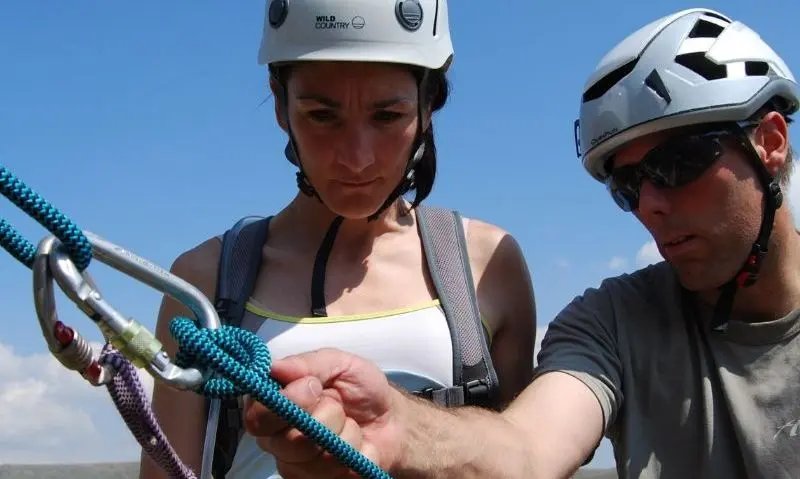
Safety is not only about procedures. It is about people. Guides, instructors, and support teams shape the real customer experience. A well-trained team handles uncertainty calmly, communicates clearly, and makes guests feel secure.
Adventure travelers often judge professionalism quickly. A guide who appears disorganized or unclear can create anxiety. A guide who communicates confidently builds immediate trust.
Eric Kufrin, Founder of Yosemite Life, brings firsthand experience from outdoor guiding. “When leading people into unpredictable environments, preparation changes everything. I always focus on education before the trip begins so clients understand expectations clearly. Confidence comes from preparation, not assumptions. A well-prepared guest is safer and enjoys the experience more.” His experience guiding travelers in demanding outdoor settings reflects a lesson that applies strongly to UK operators.
Training also improves adaptability. Weather conditions shift. Equipment issues happen. Customer fitness levels vary. Teams that are trained thoroughly respond faster and make smarter decisions under pressure.
Safety as a Brand Differentiator
Many businesses still treat safety as an invisible operational function. The smartest operators now make it visible as part of their brand.
This does not mean using fear-based marketing. It means communicating professionalism clearly. Sharing guide certifications, equipment inspection processes, safety videos, and emergency protocols builds confidence.
Adventure travel customers increasingly reward transparency. Positive reviews often mention how safe customers felt, especially after physically challenging experiences. This social proof influences future bookings.
Chris Feuerman reinforces this point. “Some guests arrive focused only on fun, but safety becomes part of what they remember. I have found that strong preparation actually improves enjoyment because guests trust the experience. Confidence allows people to stay present instead of worrying. That emotional shift matters.” His insight shows that safety strengthens the product rather than limiting it.
Businesses that position safety well often attract broader audiences too. Families, older travelers, and first-time participants may choose operators that feel more accessible and trustworthy.
Technology Is Improving Risk Management
Modern adventure businesses are also using technology to improve safety. GPS tracking, weather monitoring apps, emergency communication devices, and digital waivers all improve preparedness.
For remote activities, satellite communication tools can provide critical support during emergencies. Real-time route monitoring improves accountability. Digital pre-trip forms help businesses understand medical conditions and customer needs before departure.
Eric Kufrin highlights the role of preparation tools. “Technology has transformed trip planning and emergency readiness. I rely on tools that improve communication and situational awareness, especially in remote areas. The goal is not replacing experience but strengthening decision-making. Better tools create better outcomes.” His perspective reflects how technology supports modern guiding.
UK adventure operators who invest in practical technology create safer and more efficient operations. Customers may not always see the systems behind the scenes, but they feel the confidence those systems create.
Long-Term Growth Through Safer Operations
Safety investments may seem expensive at first. Training costs money. Better equipment requires budget. Emergency planning takes time. But the long-term returns are significant.
Safer businesses face fewer disruptions, fewer incidents, and stronger reputations. Staff morale improves in well-run environments. Customer loyalty increases. Referral rates often rise because trust drives recommendations.
Mark Gonzales emphasizes the business case clearly. “The strongest businesses understand that prevention is always less expensive than recovery. One avoidable incident can damage trust for years. I believe disciplined safety planning is one of the smartest long-term investments any business can make.” His legal insight highlights how prevention protects both reputation and finances.
For UK adventure travel, where reputation matters deeply, this creates a measurable competitive edge.
Conclusion: Safety Is Now a Growth Strategy
Adventure travel will always involve challenge and excitement. That is what makes it appealing. But modern travelers expect adventure to be delivered responsibly.
Chris Feuerman shows how trust improves customer experience. Mark Gonzales highlights how proactive planning protects businesses. Eric Kufrin demonstrates how preparation improves both safety and enjoyment.
Together, their perspectives point to one clear conclusion. Safety is no longer just compliance. It is strategy.
The UK adventure travel businesses that embrace this shift will stand out. They will attract more trust, stronger reviews, and broader audiences. In a competitive market, safety has become more than protection. It has become a true business advantage.