Water supply lines are among the most critical yet most overlooked components of your home’s plumbing system. Hidden inside walls, running beneath floors, and snaking through crawlspaces, these pipes quietly deliver fresh water to every faucet, toilet, appliance, and fixture in your home — every single day, around the clock. As long as they work, most homeowners never think about them. But when they fail, the consequences can be devastating: flooded rooms, ruined flooring, damaged walls, destroyed belongings, and mold infestations that can cost tens of thousands of dollars to remediate.
Knowing when to replace your water supply lines — before they fail — is one of the smartest things a homeowner can do. This guide will walk you through the warning signs, the typical lifespan of different pipe materials, the unique risks faced by Las Vegas homeowners, and the factors that should drive your replacement decision.
Understanding Your Water Supply Lines
Before diving into when to replace supply lines, it helps to understand what they are. Your home’s water supply system consists of two main components: the main supply line that brings water from the municipal water supply (or a private well) into your home, and the branch lines that distribute water throughout the house to individual fixtures and appliances.
Supply lines can be made from several different materials, each with its own characteristics, strengths, vulnerabilities, and expected lifespan. The material your pipes are made from is one of the most important factors in determining when replacement becomes necessary.
Pipe Material and Expected Lifespan
Different pipe materials have very different lifespans under normal conditions:
- Galvanized Steel Pipes (25–70 years): Galvanized steel was the standard for residential water supply lines from the early 1900s through the 1960s. These pipes are coated with a layer of zinc to resist corrosion — but over decades, that zinc coating deteriorates, exposing the steel beneath to rust and corrosion. In Las Vegas, with its extremely hard and mineral-rich water, galvanized pipes corrode and scale up much faster than in other regions. If your home was built before 1970 and still has the original galvanized supply lines, replacement is not just advisable — it is urgent.
- Copper Pipes (50–100 years): Copper became the dominant pipe material through the 1970s, 1980s, and 1990s, and for good reason. Copper is naturally resistant to bacteria, highly durable, and capable of handling both high pressure and temperature extremes. Under normal conditions, copper supply lines can last 50 to 100 years. However, in Las Vegas, the highly mineral-laden water and the slightly acidic nature of municipal water can accelerate corrosion through a process called “pitting corrosion,” which creates small but potentially catastrophic pinhole leaks over time.
- Polybutylene Pipes (10–25 years): Polybutylene (PB) pipe was used extensively in residential construction from the late 1970s through the mid-1990s, often marketed as a cheaper alternative to copper. These grey plastic pipes proved to be deeply problematic: they react with chlorine and other oxidants in municipal water supplies, causing them to become brittle, crack, and fail — sometimes catastrophically and without warning. If your home was built between 1978 and 1995 and still has polybutylene pipes, they should be replaced immediately regardless of their apparent condition.
- CPVC Pipes (50–80 years): Chlorinated polyvinyl chloride (CPVC) is a rigid plastic pipe that offers good resistance to corrosion and scale. It became popular in the 1970s and is still used today. CPVC generally holds up well, but it can become brittle with age, especially in environments with extreme temperature swings — which Las Vegas certainly experiences. Joints and fittings tend to be the weak points in aging CPVC systems.
- PEX Pipes (25–50+ years): Cross-linked polyethylene (PEX) is the modern standard for residential water supply lines and has largely replaced copper and CPVC in new construction. PEX is flexible, resistant to both corrosion and scale, handles temperature extremes well, and is significantly less expensive than copper. PEX systems installed correctly can last 25 to 50 years or more, though long-term performance data is still being accumulated since the material is relatively recent in widespread use.
Warning Signs That Your Supply Lines Need Replacing
Even if your pipes have not reached the end of their expected lifespan, certain warning signs indicate that replacement may be necessary sooner than expected. Pay close attention to the following:
Discolored Water
If your tap water runs brown, red, or yellow — especially after the water has been sitting in the pipes for a while — it is a strong sign of internal pipe corrosion. Rust and corroded pipe material is literally contaminating your water supply. This is not just a plumbing problem; it is a water quality and health issue that requires immediate professional attention.
Frequent or Unexplained Leaks
A single isolated leak can be a random event. But if you are dealing with repeated leaks in multiple locations — particularly pinhole leaks in copper pipes — it signals that the pipe material has deteriorated throughout the system. Patching individual leaks in this situation is just a temporary fix; the entire system needs evaluation and likely full replacement.
Noticeably Low Water Pressure
A gradual or sudden decrease in water pressure throughout your home — not just at a single fixture — often indicates significant scale buildup or internal corrosion that has narrowed the interior diameter of your supply lines. In Las Vegas, where mineral accumulation happens rapidly, this is a particularly common symptom of aging pipes.
Visible Corrosion, Staining, or Damage
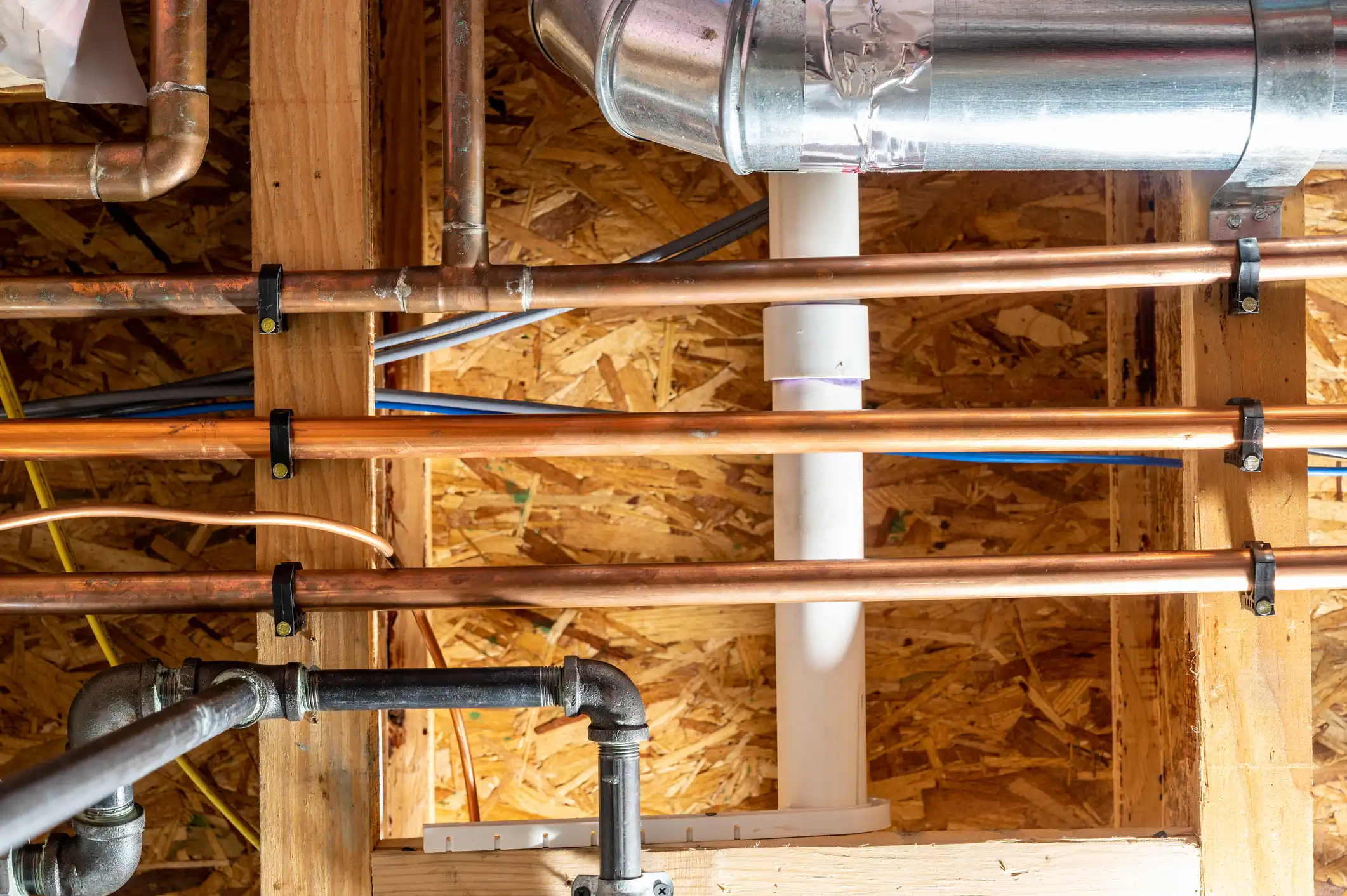
If you can see your supply pipes in a basement, crawlspace, or utility area, inspect them carefully. Look for orange or green staining around joints and fittings (a sign of corrosion), visible dimpling or pitting on the pipe surface, flaking or scaling on pipe exteriors, or any discoloration that suggests moisture or chemical reaction. Any of these visible signs indicates that the integrity of the pipe is compromised.
Unexplained Spikes in Your Water Bill
A sudden or gradual increase in your water bill without a corresponding increase in usage often indicates a hidden leak somewhere in your supply system. Slab leaks — leaks in pipes that run beneath the concrete foundation of your home — are unfortunately common in Las Vegas due to ground movement, hard water corrosion, and aging pipe materials. These leaks can waste enormous amounts of water before ever becoming visible.
Strange Sounds in Your Plumbing
Banging, knocking, or rattling noises in your walls when water runs — a phenomenon called water hammer — can indicate high water pressure issues that stress supply line joints and connections over time. Whistling or squeaking from pipes can also indicate scale-narrowed passages where water is being forced through a restricted opening.
Las Vegas-Specific Risk Factors
Las Vegas homeowners face several unique environmental and water quality factors that accelerate supply line deterioration and make proactive replacement even more important:
- Extreme Hard Water: As discussed, Las Vegas tap water is extremely high in dissolved minerals. This accelerates scale buildup inside pipes and fittings, corrodes metal pipe materials faster than in soft water regions, and puts additional stress on joints and connections.
- Extreme Temperature Swings: Las Vegas experiences some of the most extreme temperature variations in the United States — from below freezing in winter nights to well above 110°F in summer. These temperature extremes cause pipes to expand and contract repeatedly, stressing joints and connections over time. While Las Vegas is not frequently associated with frozen pipes, a sudden cold snap can freeze exposed pipes and cause them to burst.
- High Chlorine Levels in Municipal Water: To combat bacteria and maintain water quality in a desert environment with an aging distribution system, Las Vegas municipal water can contain relatively high levels of chlorine and chloramines. These disinfectants, while necessary, accelerate the degradation of certain pipe materials — particularly polybutylene and some rubber-based fittings and connections.
- Ground Settlement: The Las Vegas Valley sits on a desert basin with soil that can be prone to settlement and shifting, particularly in areas where groundwater extraction has occurred over decades. Ground movement can stress buried supply lines and slab-embedded pipes, contributing to joint failures and slab leaks.
Factors That Should Drive Your Replacement Decision
Beyond age and material, several other factors should inform whether it is time to replace your supply lines:
- Your Home’s Age and Plumbing History: If you are buying or own a home built before 1985, a professional plumbing inspection is critical. Many older Las Vegas homes still have their original supply lines, which may be at or past the end of their serviceable life. A plumber can use video inspection technology to look inside pipes and give you an accurate picture of their condition.
- Previous Water Damage: If your home has experienced flooding, water leaks, or major plumbing repairs in the past, the surrounding pipes may have been stressed or damaged even if they were not directly involved in the incident. Moisture intrusion and the resulting corrosion can spread.
- Upcoming Renovations: If you are planning a significant kitchen or bathroom renovation, it often makes economic sense to replace supply lines at the same time, while walls are already open and access is easier. Proactive replacement during a renovation is far less expensive than a reactive emergency replacement later.
- Insurance and Resale Considerations: Some homeowners insurance policies specifically exclude coverage for damage caused by leaking pipes that have deteriorated over time, distinguishing it from sudden, accidental damage. Updated supply lines can also be a selling point when listing your home, providing buyers with confidence in the plumbing system.
The Smart Choice: Proactive Replacement
There is a significant difference between replacing supply lines proactively — on your schedule, with time to plan, obtain multiple quotes, and choose the best materials for your situation — and replacing them reactively in the aftermath of a burst pipe or catastrophic leak. Proactive replacement is a planned investment; reactive replacement is an emergency expense that often comes with additional costs for water damage restoration, drywall repair, flooring replacement, and potentially mold remediation.
Modern PEX piping systems, installed by a licensed plumber, offer an excellent balance of longevity, performance, cost-effectiveness, and resistance to the specific challenges posed by Las Vegas water quality and climate. A whole-house repiping with PEX is a substantial investment — but it is one that protects your home for decades and eliminates the anxiety of wondering when the next leak will strike.
Your water supply lines are not something you want to gamble with. If you are uncertain about the condition of your home’s plumbing, the experienced team at Precision Plumbing is here to help. We offer comprehensive plumbing inspections, video pipe assessments, and complete repiping services throughout the Las Vegas Valley. Our licensed plumbers will give you an honest evaluation of your current supply lines, explain your options clearly, and help you make the most informed decision for your home and budget. Whether your pipes need immediate replacement or simply a professional assessment, we are just one call away.
Precision Plumbing
2470 N Decatur Blvd Suite #170, Las Vegas, NV 89108
Phone: (702) 253-6363
Website: https://www.precisionplumbinglv.com/