The driving habits of city dwellers have evolved drastically in recent times. The driving population has moved on from searching for a vehicle to ferry them from point A to point B and they are expecting their cars to offer the highest levels of safety, flawless technology and a commanding presence over traffic but without the cumbersome dimensions of a full-size vehicle.
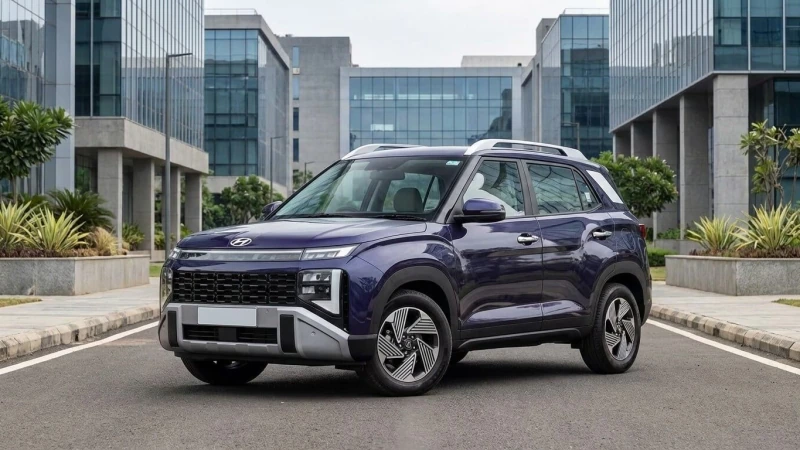
This has given rise to the success of sub-four-meter city cruisers. The Hyundai Venue compact SUV, when discussed about the segment, proves to be the most efficient of the lot for family and individual alike. This urban commuter covers all the prerequisites in terms of structural integrity, smart engineering, and offers various powertrains, intelligent driving aids, and a neatly bundled cabin to ease up city commuting and long highway rides.
The main building blocks of the modern compact SUV are:
Choices in powertrain:
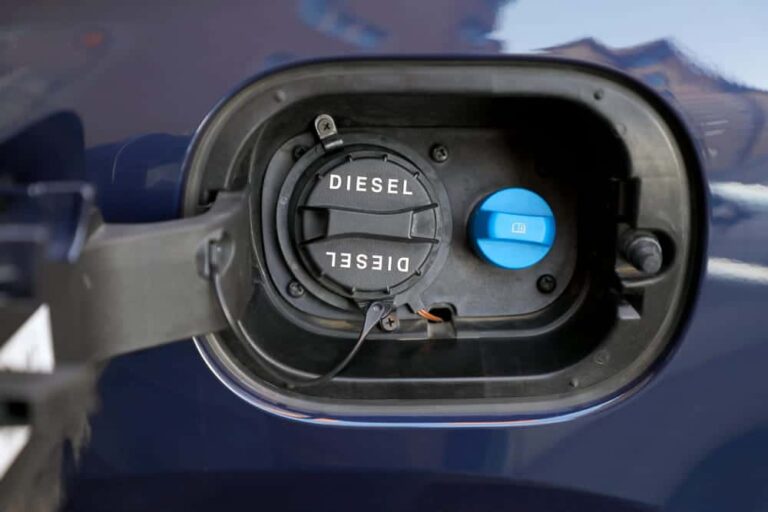
People have different driving needs, the low-rev torque of a diesel engine are great for touring, whilst people with lower mileage driving patterns would prefer a quiet naturally aspirated petrol or the stronger output from a turbo charged petrol combined with a fast dual clutch gearbox.
Pro-active safety systems:
Strong chassis design is now backed up by highly efficient active safety systems, such as electronic stability control, Hill-start assist, and an army of airbags will always give you confidence, especially on uncertain roads.
Connectivity in the cabin:
These vehicles are all about integration into people’s lives, so navigation, calls and music should be operated through the large touch screen via smart phone integration systems.
Compact footprint:
Staying under 4 metres long allows for easier maneuvering, parking and even for nimble lane changing. Despite the compact external dimensions clever design is used to offer as much headroom and boot space as possible.
Crucial Ownership Considerations
- After initial appearance, long-term satisfaction will depend on many ergonomic considerations that effect everyday use of the vehicle.
- Ergonomics & Ingress: The tall riding height of the cabin allows occupants to exit or enter without having to flex their knees, this makes the vehicle practical for families with occupants spanning across generations. Also the elevated sight lines provide a clear path of the vehicle immediately in front in traffic.
- Modular cabin capacity: Split-folding rear seats and the abundance of strategically located cubbyholes give you a readily adjustable cabin, the vehicle quickly transforms from a city grocer runner to a weekend load of luggage for all passengers.
- Suspension tuning for various road surfaces: Potholes and uneven expansion joints appear on city streets unexpectedly, in modern compact setups, optimized damping is used, allowing sharper jolt to be suppressed at lower speeds while maintaining stiffness and suppressing body roll at highway speed corners.
- Durability of the platform: Utilizing a platform with a widely available service network reduces the cost of scheduled maintenance; production parts are available at low cost which minimizes long-term ownership expenses.
Engineering Matchup: Engine Dynamics & Driver Match
Choosing the right configuration depends entirely on your daily driving style. The breakdown below outlines how different engineering setups cater to varying performance and utility preferences:
| Aspect / Pillar | Efficiency-Optimized (1.2L Petrol) | Performance-Centric (1.0L Turbo Petrol) | Highway Cruiser (1.5L Diesel) |
| Primary Focus | Daily city commuting & predictable maintenance | Spirited driving & quick acceleration | High-mileage running & heavy load carrying |
| Typical Transmission | 5-Speed Manual | 6-Speed Manual / 7-Speed DCT | 6-Speed Manual / Torque Converter |
| Power Delivery | Linear, smooth, and predictable | Punchy, enthusiastic mid-range | Robust low-end pulling power |
| Best Suited For | Relaxed drivers prioritizing straightforward mechanics | Enthusiasts who enjoy effortless overtaking | Long-distance travelers tracking overall range |
Smart Budgeting for your new buy
So as you finalize a vehicle, you peel through layers of financial facts and figures. Consumers often stick to the ex-showroom base price found in brochures and ignore registration, state MotoMotar’s on-road price tool road tax and mandatory 3rd party insurance and logistic fees that can be as high as 15-25 percent more.
Buyer’s Tip: Registration and road tax structure differs widely according to vehicle engine size and fuel types. Confirm all local registration statistics before you fix your budget.
Using MotoMotar’s on road calculator will ease your payment procedure and will keep you financially on a firmer ground when compared to being surprised with extra expenses at the dealer: it shows you tax structures specific to your state and available additional payments: enabling you to walk to the dealer prepared.