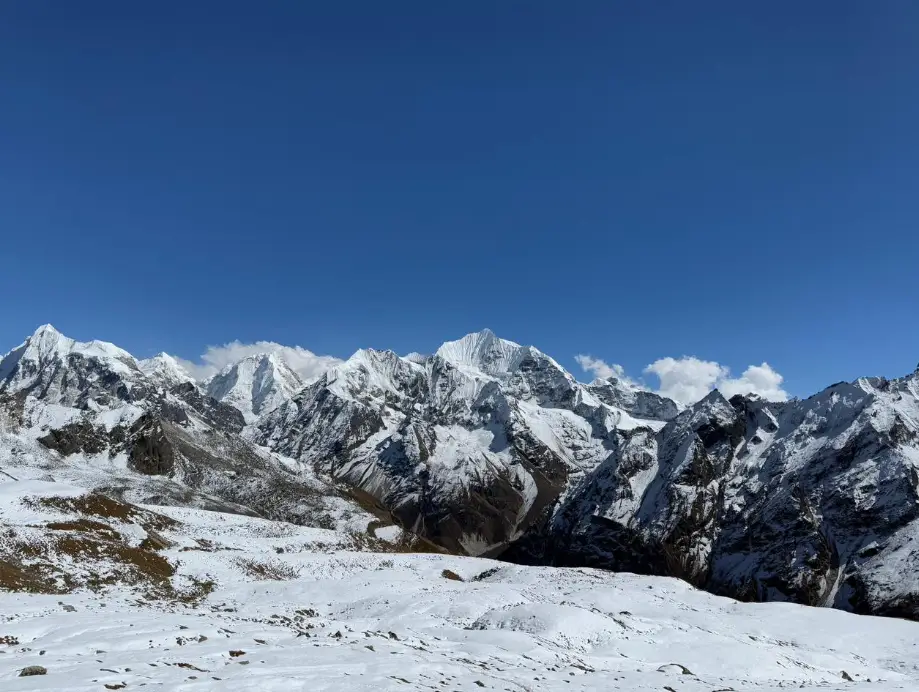
Getting used to high places on the way to Everest Base Camp matters more than many realize. As people look up terms such as “Everest Base Camp altitude adjustment” or “how to acclimatize in Nepal Himalayas trek,” it shows awareness is rising. Above 5,000 meters, air holds much less oxygen – bodies need time to adapt. Without steady adjustment, even strong walkers can struggle. That stretch of trail demands respect, not speed. Success often hides in slow steps, not big plans. Breathing changes when the ground climbs; so must rhythm. Preparation includes listening closely to how the body answers each day.
Some find clarity only after rest days shape resilience. A single misstep in timing might tilt everything. Oxygen thins quickly past certain heights – reaction varies by person. Few expect how silence replaces energy at times. Others notice sleep grows strange without warning. Headaches arrive uninvited; nausea tags along quietly. These signs speak louder than maps ever could. Experience teaches pacing beats pushing. Each pause builds unseen strength beneath fatigue. Mountains do not care about schedules. They respond best to patience, not pressure. What feels slow today prepares tomorrow’s rise.
How High Places Change Your Body
With less nitrogen per breath at higher altitudes, the fluorescent sky becomes bright. Sentence: effects of high altitude symptoms, low oxygen difficulties for Everest Base Camp, etc., writing words to express interests in struggles with thin air? With thin air, lungs constrict — exhaustion ensues, headaches pulse, inhalation stretches until the body adapts to new conditions. The first lesson is how hard it is to breathe thin air. It makes a difference on the long climbs to have some idea what going up when you shift does.
Ascending slowly to adjust naturally
Most crucial? Take your time going up. You Google things like “Everest Base Camp acclimatization schedule, Nepal trek, or slow trekking altitude safe Himalayas, ” and that drives home that point. The more blood producing red-cell bodies, which carry oxygen better, the higher we go. Climb too high, you’ll get elevation-related sickness and fall groundward like a rock.
Proper Acclimatization Days
Most people need time to get used to the thin mountain air. Search for “acclimatization days Everest Base Camp” and “Namche Bazaar rest day importance nepal trek” pop up a lot online. Your muscles and lungs repair themselves when you pause at certain elevations. Without these breaks, the climb toward Everest Base Camp turns far more dangerous.
Drinking water helps your body adjust to high elevations.
Water matters more when you go up high. Terms such as “hydration Everest Base Camp altitude adjustment” and “water intake high altitude trekking” pop up often online. Breathing harder at elevation, along with thin, parched air, drains moisture more quickly than at sea level. Staying well-hydrated keeps blood moving smoothly while easing common issues linked to height. Replenishing liquids becomes quiet but essential work behind comfort above base.
Eating Right for Steady Energy
Most folks heading to high places search for”s like “Everest Base Camp diet acclimatization for ” Nepal” or “high altitude trekking nutrition Himalayas” energy.” Bodies handle thinner air better when fuel comes from solid meals. Instead of protein-heavy options, carbs keep stamina steady through long climbs—warm dishes, though simple, ease stomach strain when temperatures drop hard. Oxygen shifts feel less harsh when eating stays smart and consistent.
Maintaining a slow, steady pace while trekking
How fast you move matters when climbing higher. Queries such as “Everest Base Camp trekking pace altitude”safety or “slow walking high altitude are catching on. Moving at a relaxed speed cuts how much oxygen your muscles need, which keeps strain low. Step after step, a consistent flow gives your system time to adapt – no rush needed.
Early Signs of Altitude Sickness
Headache, nausea, dizziness – these often show up before bigger problems do. When people search for”s like “AMS symptoms, Everest Base Camp warning, they’re usually planning a trip. Trouble adjusting can sneak in fast above 3000 meters. Instead of pushing forward, slowing down makes space for recovery. Fatigue might seem normal on treks, yet it sometimes signals something deeper. Catching changes early cuts risk more than waiting ever could.
Avoid Pushing Too Hard on Initial Hiking Days
Rushing at the start might slow how your body handles thin air. Queries such as “Everest Base Camp beginner altitude mistakes nepal trek” also with “early trek pacing altitude adjustment Himalayas” point out that issue. Saving strength while below helps when climbing higher. When you keep a steady pace early on, moving forward feels easier down the trail.
Sleeping Better at High Elevations
Most people find it harder to sleep well when they go higher up. Yet rest matters as much, maybe more, during that shift. Phrase altitude sleep problems, Everest Base Camp, Nepal,” or“sleep acclimatization ” in the Himalaya pop up often online. Body warmth makes a difference – keeping layers close through the night. Following similar bedtimes each evening supports recovery in quiet ways. Adaptation moves more smoothly when routines stay steady.
Climb High Sleep Low
People often use this approach when getting used to high places. Queries such as ‘climb high sleep low Everest Base Camp acclimatization method Nepal Himalayas’, and ‘rekking’ show how common it is. Upward movement happens while the sun is out, then descent follows before rest. Because of this rhythm, breathing adapts faster where the air thins.
Avoiding Alcohol and Smoking While Trekking
Heavy drinking plus tobacco use? They drag down how fast your body handles thin mountain air. People often look up things like alcohol effects, Everest Base Camp altitude, smoking, high altitude trekking, and Nepal risk. Oxygen moves more slowly through the system when these habits come into play. Water loss also climbs, tipping the balance further off track. The lungs struggle more than usual under pressure. Staying clear of both helps keep the rhythm steady on long uphill paths.
Keeping calm when altitude shifts
Out there, how you feel inside shapes how your body reacts. Look up mental adjustment, Everest Base Camp altitude stress, Nepal – people are connecting those dots. When anxiety hits high ground, a steady mind eases the breath, letting oxygen work better. Calm thoughts slow the heartbeat when paths rise without warning.
Listen to your body and adjust.
Most people searching for how to adjust at Everest Base Camp look for phrases like “listen to body Everest Base Camp altitude adjustment tips.” Paying attention to yourself matters a lot when climbing higher. Trouble gets worse if you push through headaches or dizziness – stopping helps, sometimes going down does too. Searches also “include “when to rest at high altitude Nepal trekking, showing many want clear signals on pauses. Health can take a sharp turn if early red flags are brushed aside.
Safe Altitude Adjustment During Trek
Patience shapes how well your body handles high elevation during the Everest Base Camp trek. Moving up slowly gives time for breathing to settle, plus water intake keeps circulation steady. Instead of rushing, stopping at intervals lets recovery happen naturally along the trail. Because more people now attempt Himalayan hikes, knowing how thin air affects thinking and movement matters a lot. When pacing feels balanced, reaching base camp becomes possible without losing energy or focus.