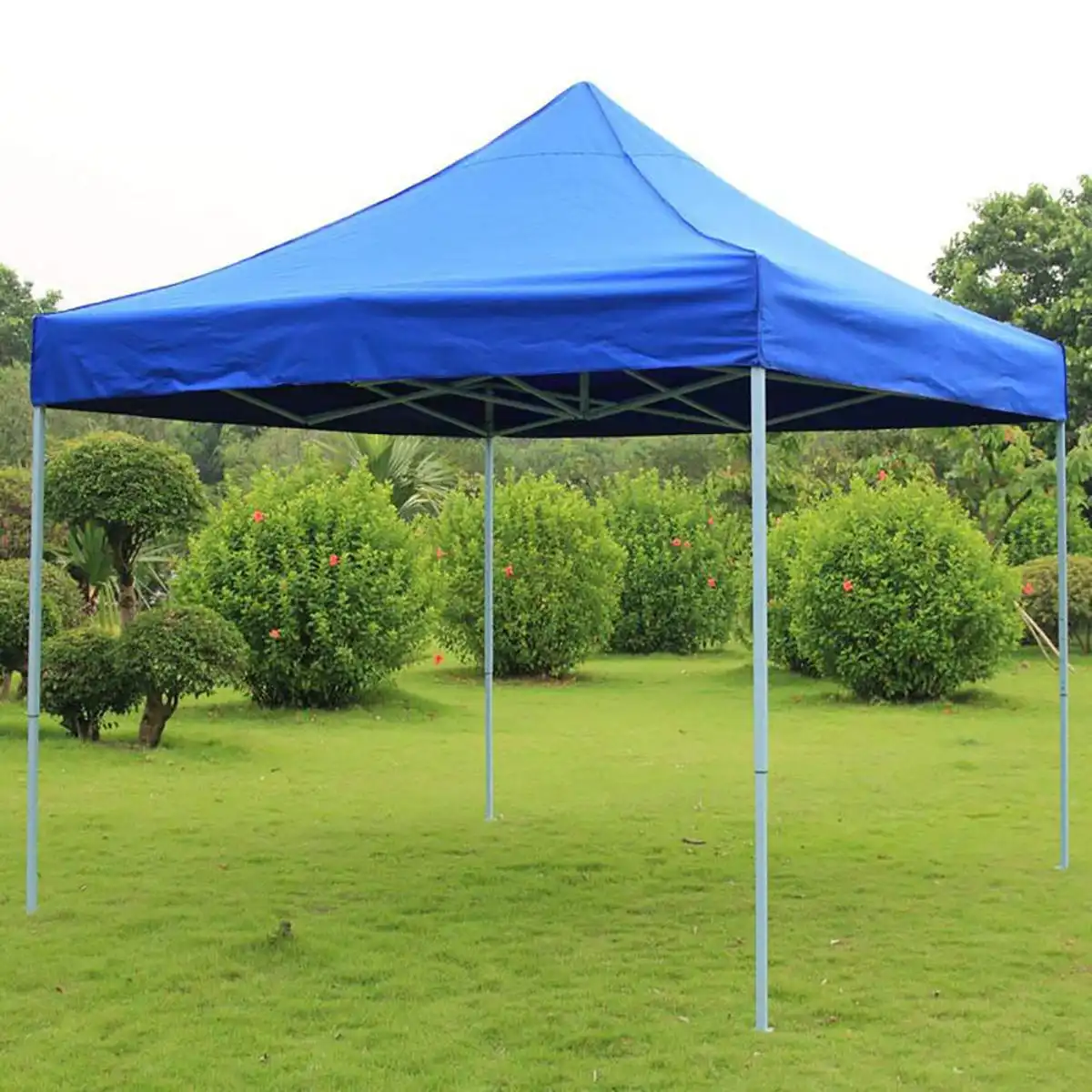
A canopy tent is a portable shelter designed to provide shade and light weather protection for outdoor activities. It typically features a sturdy frame with a fabric top and is often open on the sides for easy access and airflow. Whether used for events, recreation, or commercial purposes, canopy tents are valued for their convenience, flexibility, and ease of setup.
Common Uses of Canopy Tents
- Outdoor events (weddings, parties): Canopy tents create comfortable, shaded spaces for guests during celebrations.
- Vendor booths and markets: They provide a professional and sheltered setup for selling products.
- Camping and recreational use: Ideal for adding shade and protection at campsites or outdoor trips.
- Backyard shade and patios: Perfect for relaxing outdoors while staying protected from the sun.
- Beach and park outings: Lightweight designs make them easy to carry and set up for day trips.
Types of Canopy Tents
Canopy tents come in several types, each designed for different needs and environments. Pop-up canopies are the most popular option, known for their quick setup and portability, making them ideal for casual events and temporary use. Pole canopies, on the other hand, are more traditional and often used for larger gatherings, as they rely on center poles and stakes for support. Frame canopies provide a more stable structure without the need for center poles, offering unobstructed space underneath, which is perfect for events requiring more room. There are also specialty canopies designed for specific uses, such as beach canopies with UV protection or heavy-duty commercial canopies built for frequent use. Many users explore reliable options from vividtents to find a canopy that matches their specific requirements in terms of durability, size, and design.
Benefits of Using a Canopy Tent
- Quick and easy setup
- Portable and lightweight
- Provides shade and weather protection
- Versatile for multiple uses
- Cost-effective compared to permanent structures
How to Choose the Right Canopy Tent
Choosing the right canopy tent depends on your intended use, available space, and environmental conditions. Start by considering the size you need based on how many people or items the canopy will cover. Next, think about the type of events or activities you’ll use it for, whether casual gatherings, professional setups, or recreational outings. It’s also important to evaluate the frame material and fabric quality to ensure durability and weather resistance. Finally, consider portability and ease of setup, especially if you plan to transport and assemble the canopy frequently.
Canopy Tent vs Other Outdoor Shelters
| Feature | Canopy Tent | Gazebo | Party Tent |
| Structure | Open-sided | Semi-permanent | Fully enclosed |
| Portability | High | Medium | Low |
| Use | Temporary shade | Backyard use | Events |
| Setup | Easy | Moderate | Complex |
Frequently Asked Questions
- What is the purpose of a canopy tent?
A canopy tent provides shade and light protection from weather for outdoor activities and events. - What is the difference between a canopy and a tent?
A canopy is typically open-sided, while a tent is fully enclosed. - Are canopy tents easy to set up?
Yes, especially pop-up models designed for quick assembly. - Can canopy tents be used in wind?
Yes, but they must be properly secured with weights or stakes. - How long do canopy tents last?
With proper care, a quality canopy can last several years.
Conclusion
A canopy tent is a practical and versatile solution for creating shaded, comfortable outdoor spaces. Its lightweight design, ease of setup, and adaptability make it a popular choice for everything from small gatherings to large events. Whether you need temporary shelter for a market booth, a backyard party, or a beach outing, a canopy tent offers a convenient and cost-effective option.
By understanding the different types, uses, and features of canopy tents, you can make a more informed decision and choose one that suits your specific needs. With the right canopy, you can enjoy outdoor activities with greater comfort, protection, and flexibility.