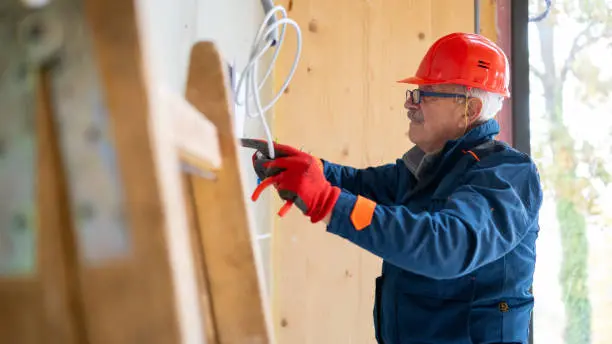
Electricity powers almost everything we rely on each day. From the lights in our homes to the computers in our offices and the machinery in warehouses, safe electrical systems are essential. Yet, many people underestimate just how complex and potentially dangerous electrical work can be.
When it comes to installing, repairing, or upgrading electrical systems, hiring a licensed electrician is not just a formality — it’s a critical decision that affects safety, compliance, and long-term performance.
Whether you’re renovating a kitchen, fitting out a retail store, or upgrading a commercial switchboard, working with qualified professionals makes all the difference.
Safety Is Not Optional
Electrical work carries real risks.
Faulty wiring can lead to power outages, equipment damage, or even electrical fires. According to general electrical wiring guidelines, improper installation can cause overheating, short circuits, and other serious hazards.
In residential settings, something as simple as incorrectly installing a power point can result in long-term safety issues. In commercial spaces, the risks multiply. Offices, restaurants, and warehouses often run multiple circuits, heavy machinery, and complex lighting systems.
For example:
- A homeowner installing downlights without proper clearance from insulation could create a fire risk.
- A café operating high-powered kitchen equipment needs circuits designed to handle a consistent load.
- A warehouse relying on industrial machinery must ensure wiring supports high-demand equipment safely.
Licensed electricians are trained to understand load capacity, safety standards, and proper installation techniques. They don’t guess — they calculate.
Safety is not something you want to experiment with.
Compliance With Regulations
Electrical regulations exist to protect people and property. These standards ensure that systems are installed correctly and operate safely.
Licensed electricians understand local compliance requirements and building codes. This is especially important for commercial projects, where inspections and certifications are often required.
For example:
- A new retail store fit-out must meet safety codes before opening.
- Office renovations require certified installations for insurance and regulatory approval.
- Residential switchboard upgrades must comply with updated safety standards.
Attempting DIY electrical work or hiring unlicensed contractors may result in non-compliant installations. This can create complications when selling property, lodging insurance claims, or undergoing inspections.
Professional electricians ensure that all work meets required standards — protecting both the property owner and occupants.
Long-Term Reliability and Performance
Electrical systems are long-term investments.
When installed correctly, they function reliably for years. Poor workmanship, however, often leads to repeated faults, flickering lights, overloaded circuits, or tripped breakers.
Consider a small business that relies on uninterrupted power for daily operations. Even minor electrical disruptions can affect productivity and revenue. In industries such as hospitality, healthcare, and manufacturing, reliability is critical.
Licensed electricians design systems with durability in mind. They assess:
- Load distribution
- Circuit balancing
- Proper cable sizing
- Quality components
For homeowners, this might mean ensuring that modern appliances don’t overload older wiring. For commercial properties, it could involve planning for future expansion or increased power demand.
Quality installation reduces maintenance costs and prevents unexpected downtime.
Proper Diagnosis and Efficient Problem Solving
Electrical issues aren’t always obvious.
A circuit that trips occasionally might indicate deeper wiring faults. Lights that dim when appliances start could signal a load imbalance. A buzzing sound near a switchboard might point to loose connections.
Licensed electricians are trained to diagnose root causes rather than apply temporary fixes.
For example:
- In a residential home, they may detect outdated wiring that requires partial rewiring.
- In an office building, they might identify overloaded circuits caused by new equipment installations.
- In a retail shop, they could find improper grounding affecting sensitive electronics.
Professional assessment prevents recurring issues.
If you’re exploring reliable electrical services for homes or commercial projects, you can review service offerings through Electrica Co to understand how licensed electricians approach installations and repairs with safety and compliance in mind.
Working with qualified professionals ensures the job is done right the first time.
Supporting Modern Electrical Needs
Today’s properties require more than basic lighting and power points.
Modern electrical demands include:
- LED lighting systems
- Smart home automation
- EV charger installations
- Data cabling
- Security systems
- Energy-efficient upgrades
For example:
- Homeowners installing electric vehicle chargers need circuits designed for higher loads.
- Businesses upgrading to LED lighting must ensure compatibility with existing wiring.
- Offices installing server equipment require stable power distribution and surge protection.
Licensed electricians understand how to integrate new technologies safely into existing systems.
They also ensure that installations are future-ready, supporting potential upgrades without major rewiring.
Insurance and Liability Protection
Another important factor is liability.
In many cases, insurance providers require electrical work to be performed by licensed professionals. If damage results from unlicensed work, insurance claims may be denied.
For example:
- A fire traced back to faulty wiring may not be covered if the installation wasn’t certified.
- Equipment damage resulting from improper circuit design may lead to financial losses without compensation.
Hiring licensed electricians provides documentation and certification, offering peace of mind.
Professional work protects both property and investment.
The Value of Professional Experience
Experience matters.
Licensed electricians undergo formal training and practical apprenticeships before becoming certified. They understand electrical theory, safety practices, and hands-on troubleshooting.
In residential projects, this may involve safely upgrading switchboards or installing ceiling fans. In commercial projects, it can mean designing full electrical layouts for new developments.
Professional experience ensures efficiency and precision.
Time saved during installation often translates into long-term cost savings.
Final Thoughts
Electricity powers our homes, businesses, and daily lives — but it must be handled with care.
Licensed electricians provide more than technical skills. They offer safety, compliance, reliability, and peace of mind. Whether you’re renovating a home, opening a new business, or upgrading electrical systems, professional expertise protects your property and the people within it.
Cutting corners with electrical work may save money upfront, but the risks are rarely worth it.
When it comes to residential and commercial projects, choosing licensed professionals isn’t just smart — it’s essential.