Himalayan sourcing is one of the most common phrases in the shilajit market, but the phrase alone does not prove purity, safety, or good manufacturing. Buyers need a way to separate meaningful quality signals from attractive mountain imagery.
A practical search using a shilajit transparency database for best himalayanshilajit should begin with documents, not slogans. Source region can matter, but it should be evaluated together with testing records, ingredient clarity, form, and the credibility of the lab behind any safety claims.
What Himalayan sourcing can and cannot tell you
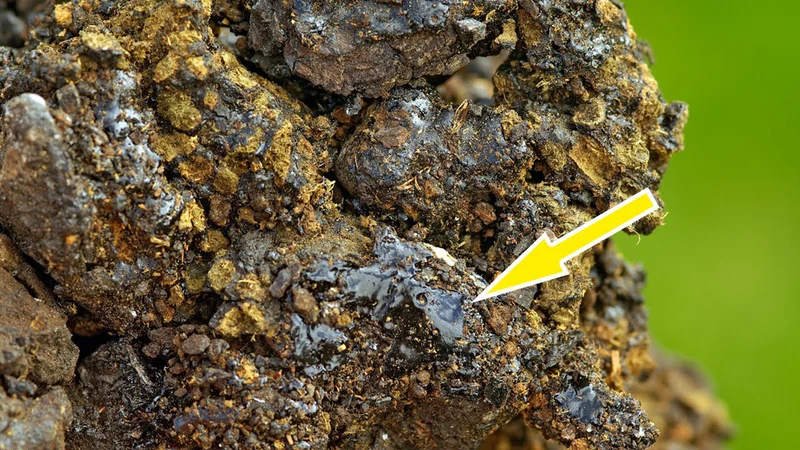
Shilajit forms over long periods from organic matter and minerals in mountain environments. Himalayan origin may appeal to buyers because of traditional use and high-altitude associations, but origin is only one part of the quality picture.
A well-built shilajit transparency database helps buyers focus on verifiable details such as COA access, lab identity, heavy metals screening, and manufacturing claims. Those factors are more useful than assuming every product with Himalayan on the label is automatically superior.
| Quality factor | Useful detail | Why it matters |
| Source region | Specific mountain region or country claim. | Gives context, but still needs proof. |
| Purification | Clear processing and ingredient information. | Helps assess contamination risk. |
| COA | Recent batch report with measurable results. | Turns claims into reviewable data. |
| Lab identity | Named third-party testing provider. | Adds accountability to safety claims. |
Good documentation also helps when prices vary widely. One jar may cost more because it has stronger testing and clearer sourcing, while another may cost more simply because the branding looks premium. Buyers should avoid assuming price automatically equals purity.
This is especially important because the word Himalayan is used across very different products. Some are carefully purified resins with documentation, while others are blends, extracts, or flavored formats with limited public testing. The label may create the first impression, but the paperwork should make the decision.
Best Himalayan shilajit and heavy metals testing
The best Himalayan shilajit should be screened for contaminants because mineral-rich natural materials can also contain undesirable elements. Lead, arsenic, mercury, and cadmium are the four results many buyers should look for first.
Do not stop at the phrase “tested for purity.” A stronger report shows numbers, units, batch dates, and the testing organization. If a brand only provides a decorative badge or a cropped screenshot, the evidence is weaker than a full report that can be reviewed directly.
| Document item | Good sign | Red flag |
| Batch number | Matches the product or lot sold. | Missing or generic. |
| Testing date | Recent enough to be relevant. | Old report reused for years. |
| Heavy metals panel | Lists several metals with values. | Only says “passed” without details. |
| Lab name | Independent lab is identified. | No lab, no method, no contact details. |
That is why a shortlist should keep marketing copy separate from evidence. Read the claims, but score the documentation.
Choosing between resin and other forms
Resin is often viewed as the classic shilajit format. It can be a good choice for people who want a simple ingredient profile, but resin still needs proper purification, careful storage, and clear serving instructions.
Capsules, powders, and gummies can be easier to use, yet they introduce different questions. Is the extract standardized? Are fillers disclosed? How much shilajit is in each serving? The best Himalayan shilajit is not always the most traditional-looking product; it is the one with the clearest evidence.
Using a shilajit transparency database also makes repeat comparisons easier because the same criteria can be applied across many products. That consistency is valuable in a market where product pages often emphasize different strengths.
How to spot weak marketing
Weak marketing often uses geography as a shortcut for quality. Phrases such as “from the highest mountains,” “ancient secret,” or “gold grade” may sound premium, but they do not replace testing documents or transparent labels.
Another warning sign is excessive certainty. Supplements should be described with reasonable expectations, not as guaranteed solutions for complex health goals. A credible seller can explain product strengths without pretending one resin can solve every wellness concern.
A buyer’s framework for calmer decisions
Start with safety documentation, then evaluate form, serving size, ingredient simplicity, and price per usable serving. If two products make similar claims, choose the one that publishes better evidence rather than the one with louder language.
This framework keeps Himalayan origin in the right place: relevant, but not decisive by itself. When source claims, testing, and label transparency all point in the same direction, buyers can compare options with more confidence and less dependence on advertising.