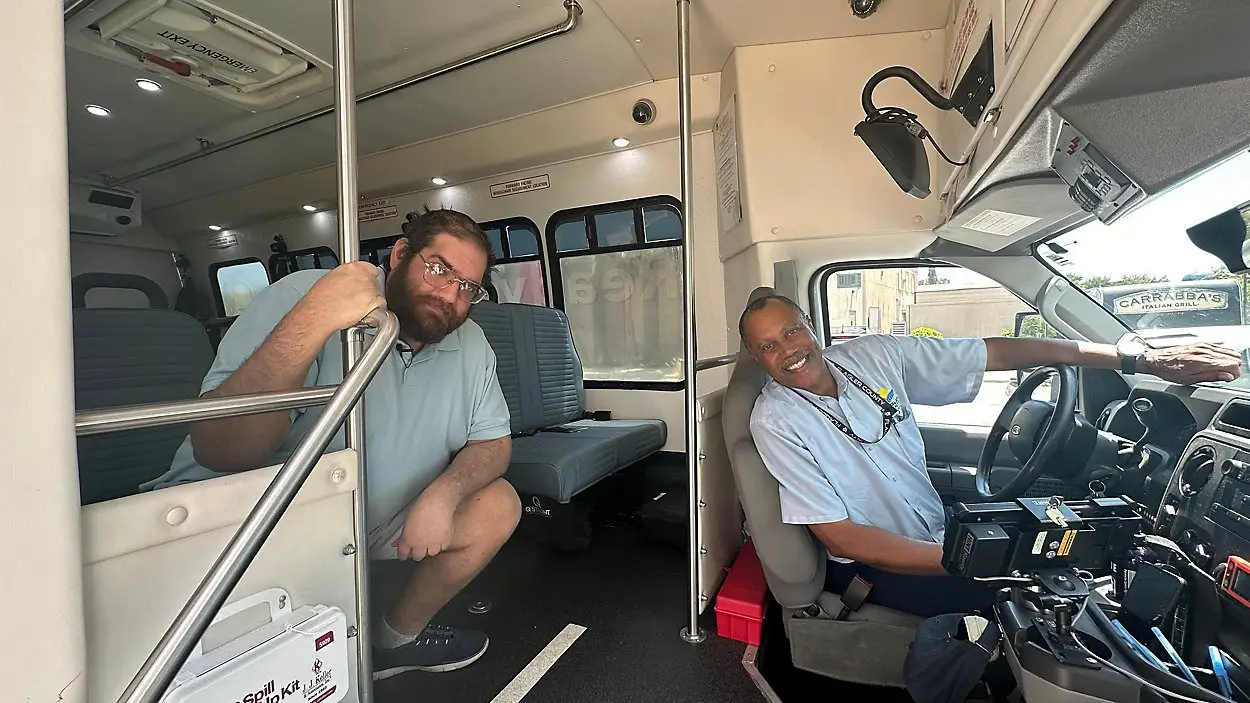
For older adults living in Flagler County, Florida, access to transportation is not a convenience — it is a practical necessity that shapes their ability to manage health conditions, maintain independence, and stay connected to their communities. As the county’s senior population continues to grow, the infrastructure supporting that population has expanded in kind. Yet many residents and their families remain unaware of what specific services exist, how eligibility works, and how various programs fit together within the broader system of care.
Transportation gaps are among the most consistent and preventable barriers to health outcomes for older adults. Missed medical appointments, delayed prescription pickups, and reduced access to nutritional programs are direct consequences when reliable transportation is unavailable. Understanding what the county offers — and where private medical transport fits into that picture — helps seniors, caregivers, and healthcare coordinators make more informed decisions before a crisis develops.
What the Flagler County Senior Services Department Actually Provides
The flagler county senior services department operates as a coordinated support system for adults aged sixty and older, providing not just transportation but a range of services that address mobility, nutrition, social engagement, and basic needs assistance. Understanding these services as an integrated system, rather than isolated programs, is important for anyone trying to plan consistent care for a senior in the area.
For those researching transportation options specifically, a detailed overview of what the flagler county senior services department covers can clarify which trips qualify for public assistance and where private transport providers become the more appropriate solution.
Core Program Areas and Their Role in Daily Life
The department’s programs span several areas that directly affect whether seniors can remain in their homes and communities safely. Transportation services fall under its mobility management umbrella, which coordinates rides to medical appointments, adult day care, grocery stores, and other essential destinations. These rides are typically scheduled in advance and are subject to vehicle availability, geographic coverage zones, and scheduling windows that may not accommodate urgent or same-day needs.
Beyond transportation, the department administers meal delivery programs, in-home support services, and referrals to benefits counseling. For caregivers managing the logistics of a senior’s daily schedule, understanding how these programs interact matters significantly. A senior enrolled in adult day care may qualify for a subsidized ride through the transportation program, but the timing and flexibility of those rides will depend on route planning and driver availability rather than individual scheduling preferences.
Eligibility and Access: What Determines Who Gets Services
Eligibility for flagler county senior services department programs is generally determined by age, income, and in some cases functional need. Transportation services are not universally available to all seniors on demand. Enrollment often requires an intake process, and ride scheduling typically requires advance notice of at least twenty-four to forty-eight hours. Seniors with more complex medical needs, those requiring wheelchair-accessible vehicles, or those needing escort assistance during trips may find that standard county transportation does not fully meet their requirements.
This is not a program deficiency — it is a reflection of the realistic operational capacity of publicly funded transportation systems. Recognizing where those limits exist helps families plan more effectively, particularly when a senior has recurring appointments or requires a higher level of transport support than a shared-ride service can consistently provide.
Non-Emergency Medical Transportation and Its Place in Senior Care Planning
Non-emergency medical transportation, commonly referred to as NEMT, covers the movement of patients who require transport to or from medical appointments but do not need emergency services. For many Flagler County seniors, NEMT is the most critical transportation category because it directly connects to their ongoing healthcare management.
Florida’s Medicaid program covers NEMT for eligible beneficiaries, which includes many low-income seniors in Flagler County. The coordination of those rides is handled through managed care organizations and transportation network brokers, not directly through the county. This distinction matters because a senior relying on Medicaid-covered rides must schedule through the appropriate broker, follow specific verification procedures, and understand that only certain destinations and trip types are covered under the benefit.
When Standard NEMT Scheduling Creates Gaps
The Medicaid NEMT system, while valuable, operates within constraints that can create real disruptions in care continuity. Ride cancellations, delays, and scheduling errors are common complaints across NEMT programs nationally. According to data referenced by the Kaiser Family Foundation, NEMT coordination challenges are a persistent issue across multiple state Medicaid programs, affecting both reliability and patient satisfaction.
For seniors in Flagler County managing chronic conditions — diabetes, cardiac disease, dialysis dependency — a missed ride to a treatment session is not a minor inconvenience. It can trigger a clinical deterioration that results in hospitalization. Families and care coordinators who understand this risk often arrange private medical transport as a backup or primary option for appointments that cannot be missed under any circumstance.
Private Medical Transport as a Complement to Public Resources
Private non-emergency medical transport companies operating in Flagler County fill the gaps that county services and Medicaid NEMT cannot consistently cover. These providers typically offer scheduled, point-to-point transport with vehicles equipped for ambulatory passengers, wheelchair users, and stretcher transports. Scheduling is more flexible, cancellation windows are shorter, and drivers are trained specifically for senior and medical transport needs.
The decision to use a private transport provider is rarely about dissatisfaction with public programs. It is more often a practical response to reliability concerns, the specific medical or mobility needs of the passenger, or the timing demands of a particular appointment type. Dialysis clinics, rehabilitation centers, and specialty physician offices frequently recommend private transport for patients who require consistent, on-time arrivals.
Planning Transportation for Seniors with Mobility or Cognitive Challenges
Seniors with physical mobility limitations or early-to-moderate cognitive impairment present specific challenges that standard transportation programs are not always designed to address. A shared-ride county service may not provide the door-to-door, door-through-door, or hands-on escort assistance that some seniors need to safely complete a trip. Understanding this spectrum of need is essential when building a transportation plan that will hold up over time.
Door-to-Door Versus Door-Through-Door Service Standards
The distinction between door-to-door and door-through-door service matters considerably for seniors with mobility or cognitive challenges. Door-to-door service means the driver picks up and drops off at the entrance of a residence or facility. Door-through-door service means the driver or attendant assists the passenger from inside their home, through the vehicle, and into the destination building. For seniors who use walkers or wheelchairs, who have difficulty managing steps or uneven surfaces, or who become disoriented in unfamiliar environments, door-through-door assistance is not optional — it is a safety requirement.
Public transportation programs in most counties, including Flagler, are generally structured around door-to-door service standards. Families should confirm the specific level of assistance a program provides before relying on it for a senior who needs more hands-on support.
Recurring Trip Schedules and Coordination With Care Teams
Seniors on recurring medical schedules — dialysis three times weekly, chemotherapy cycles, physical therapy programs — benefit from transportation arrangements that are set up as standing orders rather than individually scheduled trips. The administrative burden of booking each ride separately, confirming vehicle type, and verifying driver instructions is significant and creates more opportunities for error.
Care coordinators and family members managing these schedules often work directly with transport providers to establish recurring routes and communicate specific needs in advance. The flagler county senior services department may have case managers who can assist with coordinating transportation referrals, and connecting with those staff members early in the care planning process can prevent scheduling problems from compounding over time.
How Families Can Use Available Resources Without Creating Confusion
One of the more common problems in senior transportation planning is over-reliance on a single resource without a fallback. County transport programs may have waitlists. Medicaid NEMT may experience broker disruptions. A family member who provides rides may not always be available. Building redundancy into a transportation plan is a practical necessity, not an overcautious measure.
The most stable transportation plans tend to involve a clear primary option — whether that is the flagler county senior services department’s transportation program, a private provider, or Medicaid NEMT — combined with one identified backup. That backup does not need to be formal. It can be a trusted family contact, a neighbor, or a faith-based volunteer driver program. What matters is that the backup is identified before it is needed, and that everyone involved in the senior’s care knows the plan.
Healthcare providers, social workers, and discharge planners can also be valuable resources in identifying what transportation programs a senior qualifies for and how to access them quickly. The flagler county senior services department maintains intake staff who can walk families through program eligibility and referral processes during standard business hours.
Closing Thoughts on Transportation Planning for Flagler County Seniors
Transportation access for seniors in Flagler County is a solvable problem, but it requires deliberate planning rather than reactive problem-solving. The county’s senior services infrastructure provides real support across multiple program areas, and that support is worth understanding fully before concluding that needs cannot be met through public resources. At the same time, public programs operate within genuine constraints, and families who acknowledge those constraints will be better positioned to fill gaps with appropriate alternatives.
The most consistent outcomes come from knowing what each resource covers, what it does not, and how to combine them in a way that reflects the actual schedule and needs of the senior. Whether the plan relies entirely on county services, incorporates a private transport provider, or blends Medicaid NEMT with family support, the goal remains the same: reliable access to care, maintained with as little disruption as possible.
For residents and caregivers starting this process in 2025, the flagler county senior services department remains the logical first point of contact — both for its direct services and for the referral pathways it can open to additional resources across the region.