Across the United States, a significant portion of critical industrial work happens far from the nearest utility line. Whether it’s a wellhead in the Permian Basin, a communications relay on a ridge in the Rockies, or a water treatment station in a rural county, the work does not stop because grid infrastructure isn’t available. Power must arrive from somewhere, and in most of these environments, it cannot come from a standard utility connection.
This operational reality has made off-grid and distributed power a functional necessity, not a preference. For facility managers, operations engineers, and site planners working in remote conditions, the question is rarely whether to use independent power — it’s which configuration best matches the demands of the site and the tolerance for downtime. The industries covered in this article have answered that question in different ways, but all of them share one fundamental need: dependable power in locations where dependability cannot be assumed.
Why Remote Power Has Become an Operational Standard Across Multiple Sectors
Deploying remote power systems for industrial applications is no longer a workaround for unusual circumstances. It has become a baseline expectation in sectors where operations are distributed, seasonal, or located well outside of municipal or utility service zones. The maturation of solar, battery, fuel cell, and hybrid generation technologies has made it practical to run sustained loads in environments that were previously difficult or expensive to electrify.
For organizations evaluating these systems, the considerations extend well beyond energy output. Equipment must tolerate temperature extremes, humidity, vibration, and in some cases, corrosive atmospheres. Power continuity has to be planned around equipment failure, fuel logistics, and changing load requirements over time. For teams responsible for site power planning, resources that focus specifically on remote power systems for industrial applications offer relevant operational context that general energy content often misses.
Understanding how individual industries apply these systems helps clarify why standardized solutions rarely work. Each sector carries its own operational pressures, regulatory environment, and risk profile — all of which shape the power systems they deploy.
Oil and Gas: Powering Remote Infrastructure Across Expansive Fields
Oil and gas operations in the US cover some of the most geographically isolated terrain in North America. Production sites in West Texas, the Bakken in North Dakota, and the Pinedale Anticline in Wyoming are often separated from grid infrastructure by dozens of miles. Yet these sites run continuously — monitoring pressure, managing flow, operating safety shutdowns, and transmitting data to centralized control rooms.
The Specific Load Profile of a Wellhead or Midstream Station
Most remote oil and gas equipment does not draw large amounts of power, but it cannot tolerate interruption. Supervisory control and data acquisition systems, automated valves, cathodic protection equipment, and remote terminal units all require consistent, low-level power around the clock. A single hour of power failure at the wrong moment can mean delayed detection of a pressure anomaly or a missed alarm condition — both of which carry regulatory and safety consequences.
Solar-battery hybrid systems have become widely used in these environments because they eliminate fuel delivery logistics and reduce the human hours required to service generator-based setups. In regions where sunlight is seasonal or variable, propane or natural gas generators are integrated into hybrid configurations to maintain uptime when renewable generation is insufficient. The goal is consistency rather than efficiency alone.
Regulatory Pressure and Monitoring Requirements
Federal and state environmental regulations require continuous emissions monitoring, leak detection, and operational reporting at many production sites. These obligations cannot be paused when a generator runs dry or a battery bank degrades. Power system design in oil and gas must account for compliance requirements as directly as it accounts for load capacity, which means redundancy and failover capability are built into the architecture from the start.
Mining Operations: Sustaining Power at Elevation and in Extreme Conditions
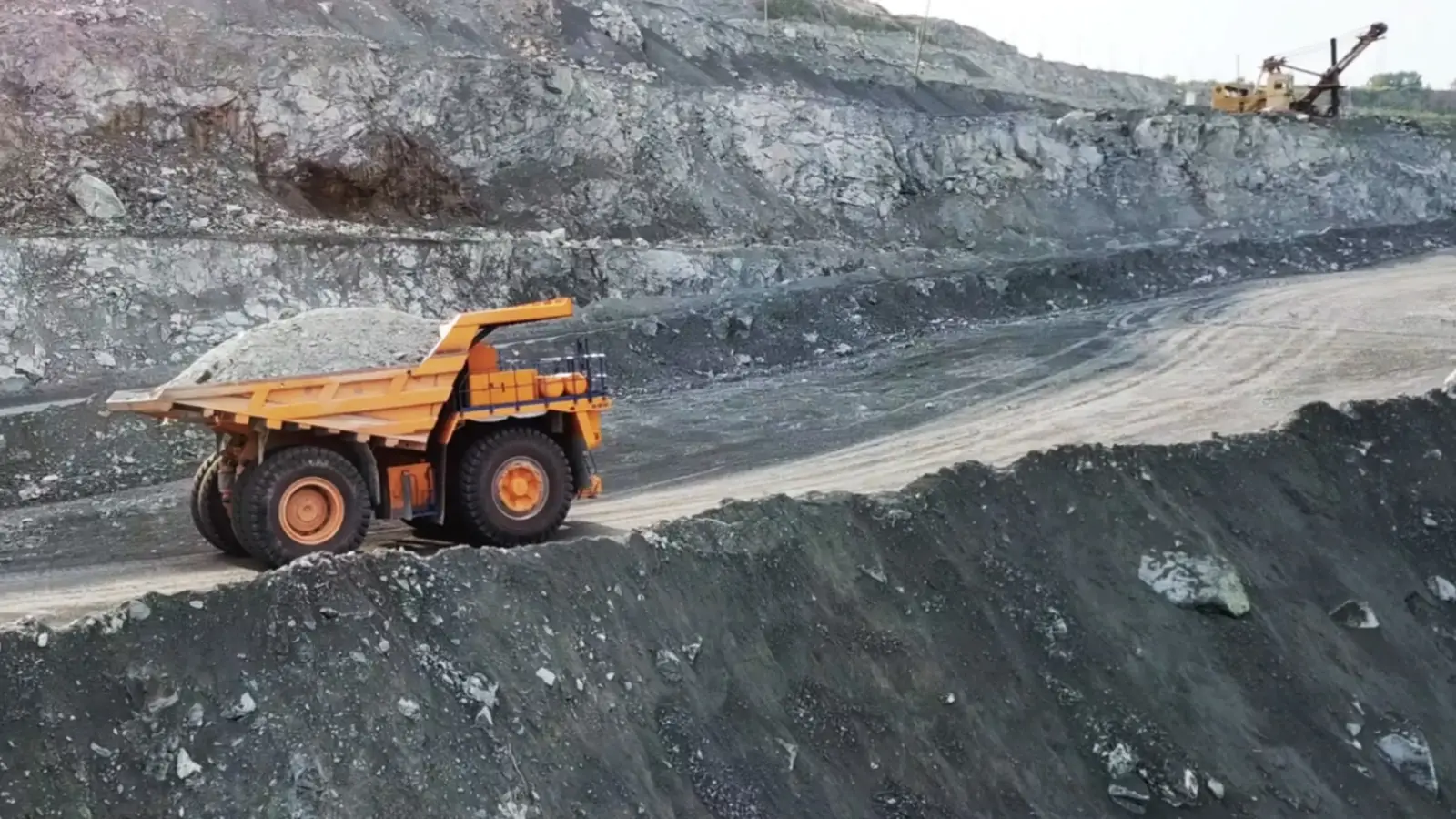
Active mining operations, particularly those involving open-pit or hard-rock extraction at elevation, face a combination of challenges that make grid extension economically impractical and logistically difficult. Sites in Nevada, Arizona, Montana, and Alaska operate in environments where temperature swings of 60 degrees or more within a single day are not unusual, and where equipment must function during high wind, icing, and dust events simultaneously.
Distributed Power Across a Working Mine Site
A functioning mine is not a single structure — it’s a collection of interdependent points: the portal or pit entrance, the processing facility, the ventilation system, the safety monitoring stations, and the communications infrastructure. Each of these nodes may require independent power or a shared distribution system that extends across terrain that changes as the mine expands. Remote power systems for industrial applications in mining contexts are often modular by design, allowing operators to reposition or scale generation capacity as site geography evolves.
Battery storage plays an important role in smoothing out load demands that fluctuate with shift changes and equipment cycles. Generators sized for peak demand alone are inefficient and maintenance-intensive. Hybrid systems that use storage to handle transient loads reduce fuel consumption and extend service intervals, which matters greatly at sites where technician access is limited and parts lead times are long.
Telecommunications and Communications Infrastructure
Wireless tower networks, satellite ground stations, and microwave relay points in the US depend on independent power in areas where grid extension would be cost-prohibitive relative to the load being served. A communications relay tower on a ridgeline might draw only a few hundred watts, but that load must be sustained every hour of every day regardless of weather, season, or access conditions.
The Consequences of Downtime in Communications Applications
For public safety communications — the kind used by emergency services, search and rescue teams, and rural 911 networks — power outages at remote tower sites can create coverage gaps at exactly the moments when coverage is most critical. The Federal Communications Commission has established continuity requirements for certain network operators, and site power design is a central component of meeting those requirements in remote terrain.
Solar-charged battery systems have become the standard configuration for low-power communications sites because they offer long service life with minimal maintenance. For sites in northern latitudes or heavily forested areas where solar generation is constrained, wind or fuel-cell backup is sometimes incorporated to ensure year-round reliability without increasing site visits.
Water and Wastewater Management in Rural Jurisdictions
Many rural water districts and municipal utilities across the US operate pump stations, lift stations, chlorination systems, and monitoring equipment at sites that are miles from any inhabited area. These installations must operate continuously to maintain water pressure, prevent overflow events, and meet state-mandated water quality standards. Remote power systems for industrial applications in this sector are subject to strict performance expectations because the consequences of failure — water contamination, sewage discharge, or loss of pressure in fire suppression systems — are immediate and serious.
Power Reliability as a Public Health Consideration
Unlike commercial operations where power interruptions create financial loss, failures in rural water infrastructure can trigger public health emergencies. Pump stations that fail during high-demand periods or following storm events can depressurize distribution lines, creating conditions for contamination. This is why off-grid power systems at these sites are typically designed with multiple redundancies — primary solar or fuel generation, battery backup, and a secondary generator — so that no single component failure can take the entire system down.
Remote monitoring of power system health is increasingly common in water management applications. Operators receive alerts about battery state, fuel levels, and equipment faults before those issues develop into outages, allowing maintenance crews to respond proactively rather than reactively.
Agriculture and Precision Farming Infrastructure
Modern agricultural operations, especially large-scale row crop and livestock operations in the Midwest and Great Plains, have adopted sensor networks, automated irrigation controls, and environmental monitoring systems that require consistent power across thousands of acres. These systems are widely distributed across fields and storage facilities, often far from any grid connection. Remote power systems for industrial applications in agriculture are typically smaller in scale than those used in mining or oil and gas, but they present their own operational challenges related to seasonal use patterns and exposure to the elements.
Matching Power Systems to Agricultural Cycles
Agricultural power needs are not constant throughout the year. Irrigation demand peaks during dry summer months, while grain storage monitoring runs year-round at lower loads. Power systems for these applications must be sized for peak seasonal demand while still functioning reliably during low-use periods. Battery degradation, rodent damage to wiring, and weathering of enclosures are practical concerns that influence system design and maintenance planning.
As precision agriculture continues to expand — with drone charging stations, automated equipment controls, and real-time soil and weather monitoring — the scope of remote power requirements in this sector is growing steadily. Remote power systems for industrial applications in agriculture are now being designed not just for sensors and controls, but for the broader infrastructure of a digitally connected farm operation.
Conclusion: What These Industries Share and Why It Matters
Despite the differences in environment, load profile, and regulatory context, the industries described in this article share a common operational reality. They cannot pause their work to wait for grid extension, and they cannot accept the risk that comes from poorly designed power infrastructure in remote conditions. Power system failure in an oil field, a mine, a rural communications tower, a water pump station, or a large farming operation carries consequences that extend well beyond inconvenience.
What has changed in recent years is not the need itself — that has always existed — but the range of viable solutions available to operations engineers and site planners. Hybrid systems, improved battery storage, and better remote monitoring have made it possible to design power infrastructure that is genuinely reliable over multi-year service periods with minimal human intervention. The industries leading this adoption are not doing so because of energy policy trends or sustainability goals, though those factors may be relevant. They are doing so because consistent, dependable power in remote locations is a direct operational requirement, and the technology has reached a point where meeting that requirement is practical at scale.
For teams responsible for these decisions, understanding how comparable industries have approached the same challenge is one of the most useful inputs available. The engineering details matter, but so does the operational context — what works in a West Texas oil field may need substantial adjustment before it’s appropriate for a high-elevation mining site in Montana. Knowing the difference, and planning accordingly, is where reliable remote power infrastructure begins.