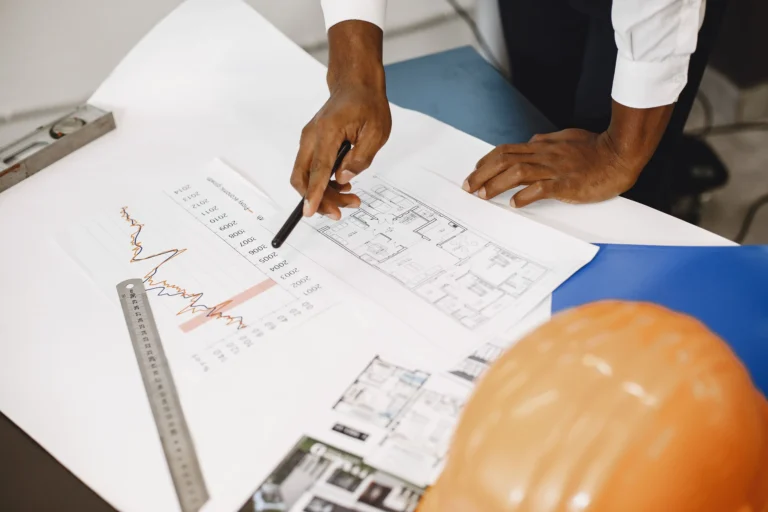
Equipment failure, which is unexpected, seldom appears on a schedule. One minute you are running along your line, and the next minute your line suddenly slogs. As a result, production targets slip. Teams then turn to allocate diagnoses of the problem. Consequently, each hour of lost time has been associated with missed schedules and increased expenses. Therefore, this form of interruption may have occurred on more than one occasion for those whose business involves carrying out operations or overseeing the performance of plants.
However, a more regulated approach can be chosen to carry out maintenance. Instead of fixing failures, you can create systems that will identify problems at an early stage and eliminate failures altogether. When the appropriate structure is in place, and the processes are clear and consistent in bringing them to reality, then maintenance becomes a stress reliever rather than a stressor.
The following article lists five viable maintenance behaviors that can be applied to maintain operations without interruption.
1. Prevent Equipment Failure Early
A reactive strategy is associated with successive failures and increased maintenance expenses. Many teams still rely on fixing equipment only after failure, which creates unnecessary risk. However, an organized system of industrial maintenance transforms that by relying on the idea of early detection and prompt action.
Predictive methods enable teams to identify warning signs in good time before the damage is caused. For example, vibration analysis, thermal imaging, and condition monitoring are the tools that can be used in detecting small performance changes. Indicatively, even minor changes in heat or noise are indicators of internal damage. Therefore, by dealing with such indicators at early stages, major failures are preempted.
Research indicates that predictive models can greatly minimize downtime and enhance system reliability in the industrial environment. In addition, planning is enhanced through early intervention. Maintenance teams are able to schedule repairs during planned downtime rather than during emergencies. As a result, such control minimizes stress at departmental levels and stabilizes production schedules.
2. Follow Clear Maintenance Schedules
The lack of clarity in routines may result in the absence of inspections and create inconsistencies. Minor problems may go unnoticed when maintenance tasks are not standardized. Therefore, clear schedules bring structure and reliability to daily operations. Additionally, they make sure that important tasks are not postponed or disregarded.
Preventive maintenance is specifically aimed at regular inspection, replacement of parts, lubrication, and calibration. Every task is allocated a specific schedule on the basis of equipment needs and the conditions of use. For example, replacing parts before they fail prevents unexpected failures and safeguards other systems linked to them. Consequently, this approach helps minimize sudden setbacks in production.
Moreover, studies have validated that well-organized preventive maintenance strategies enhance the lifespan of equipment and limit operational risks. By following regular schedules, teams can minimize variability and create a more reliable operation. In addition, consistency facilitates performance monitoring, as it becomes easier to gauge and improve over time.
3. Use Data for Better Decisions
Maintenance decisions based on assumptions often lead to inefficiencies. Data provides a clearer picture of how equipment performs over time. When teams track key metrics, they can identify patterns that are easy to miss during routine work. This visibility helps reduce uncertainty in day-to-day decisions.
Important indicators include mean time between failures, repair duration, and asset utilization. These metrics help teams understand which machines require more attention. For example, a steady drop in performance metrics may indicate underlying stress that needs investigation. Tracking these indicators consistently improves long-term reliability.
Maintenance data also improves planning and cost control. Historical records help teams predict when equipment will need service or replacement. This allows maintenance work to align with production schedules. Over time, data-backed decisions reduce unexpected costs and create a more stable operation. Better forecasting also supports more accurate budgeting.
4. Train Teams for Fast Response
Even strong maintenance systems cannot eliminate every unexpected issue. When problems occur, response speed becomes critical. Well-trained teams can diagnose faults quickly and apply the right solution without delay. Faster response directly reduces production losses and limits damage. It also helps maintain safety standards during unexpected events.
Technical training should cover equipment behavior, common failure points, and repair procedures. Hands-on practice helps technicians build confidence and accuracy. When teams understand how systems operate under normal and abnormal conditions, they make better decisions under pressure. Regular training updates ensure skills stay relevant as systems evolve. Cross-training team members also increases flexibility during emergencies.
Clear communication also improves response time. Defined roles and escalation paths ensure that issues are handled efficiently. When everyone knows what to do, downtime decreases, and recovery becomes faster and more controlled. Strong coordination prevents confusion during high-pressure situations. Clear reporting also helps prevent similar issues in the future.
5. Keep Maintenance Records Organized
Maintenance without proper records often leads to repeated mistakes and lost insights. Organized documentation provides a reliable history of equipment performance and past actions.
Detailed records should include inspection results, repair logs, and component replacements. These documents help teams identify recurring issues and plan improvements. For example, repeated failure in a specific part may indicate a deeper design or usage issue that needs attention. Clear documentation also supports compliance and audit requirements.
Digital systems make documentation easier to manage and access. Teams can update records in real time and share information across departments. Accurate records support better decisions and ensure continuity, even when staff changes occur. Centralized access also improves collaboration between maintenance and operations teams.
Conclusion
Reliable operations depend on consistent maintenance practices. Early failure detection, clear schedules, data-driven decisions, skilled teams, and organized records all contribute to stable performance. Each practice strengthens the overall system and reduces the risk of disruption.
Start by reviewing your current maintenance process. Identify one weak area and improve it with a structured approach. Small, focused changes can quickly lead to better reliability and smoother operations.
Technology Perspective
Technology continues to transform industries through artificial intelligence, cloud computing, automation, cybersecurity, digital platforms, and data-driven decision making. As organizations increasingly adopt digital solutions, understanding emerging technologies becomes essential for businesses, professionals, and consumers. DGM News regularly covers these developments through expert analysis, technology news, and educational resources.
Innovation Outlook
Rapid advances in artificial intelligence, automation, machine learning, cloud infrastructure, and digital transformation continue reshaping global industries. Monitoring these developments helps organizations adapt to changing technologies, improve efficiency, and prepare for future innovation.
Did you know?
Artificial Intelligence is expected to influence nearly every major industry over the coming decade, from healthcare and finance to transportation, manufacturing, education, and entertainment.
AI, Machine Learning, Deep Learning and Generative AI Explained
Google AI Updates
About DGM News
DGM News is an independent digital publication delivering the latest Technology News, AI News, and FinTech News. We provide expert insights on startups, innovation, cybersecurity, software, business, gadgets, cloud computing, artificial intelligence, and emerging technologies. Our mission is to publish informative, accurate, and regularly updated content that helps readers stay informed in today's rapidly evolving digital landscape.
Since our editorial focus includes technology, artificial intelligence, and financial technology, we continuously expand our coverage as new innovations emerge.
Editorial Standards
Every article published on DGM News undergoes editorial review before publication. We prioritize factual accuracy, clarity, transparency, and reader value while following responsible digital publishing practices.
Research Methodology
Our editorial team researches publicly available information from official announcements, technical documentation, research publications, developer resources, reputable industry reports, and trusted public sources whenever applicable. Information is reviewed to improve clarity and accuracy before publication.
Fact-Checking Policy
We make reasonable efforts to verify factual information before publishing. Articles are reviewed for accuracy, consistency, and relevance. If significant developments occur after publication, content may be revised to reflect updated information.
Update Policy
Technology evolves rapidly. Articles may be reviewed and updated periodically to reflect software releases, AI developments, security advisories, regulatory updates, product launches, and other important industry changes.
Source Verification
Whenever possible, DGM News reviews information using official company announcements, technical documentation, research publications, government resources, publicly available reports, and reputable industry references before updating articles.
Editorial Independence
DGM News maintains editorial independence in all publishing decisions. Editorial content is produced independently and is intended to provide balanced, informative, and reader-focused coverage without influence from advertisers or commercial partnerships.
AI Usage Disclosure
Artificial intelligence tools may assist with research organization, grammar improvement, formatting, or editorial workflows. Every article is reviewed by human editors before publication to help maintain quality, clarity, and factual accuracy.
Corrections Policy
Accuracy is important to us. If readers identify outdated information or factual inaccuracies, they are encouraged to contact our editorial team. Verified corrections are reviewed and incorporated whenever appropriate.
Reader Feedback
Reader feedback helps improve our journalism. We welcome suggestions, corrections, and constructive feedback through our Contact page to continuously improve the quality of our reporting.
Last Editorial Review
This article follows the DGM News editorial review process and may be updated periodically as new information becomes available.
Why Trust DGM News?
DGM News is committed to publishing technology journalism that emphasizes accuracy, transparency, editorial independence, and regularly updated information. Our editorial process is designed to provide readers with reliable coverage of technology, AI, fintech, startups, and digital innovation.
DGM News Resources
Topics We Cover
Artificial Intelligence • AI Tools • Machine Learning • FinTech • Cybersecurity • Cloud Computing • Programming • Software Development • Gadgets • Mobile Technology • Business Technology • Startups • Digital Marketing • Blockchain • Cryptocurrency • Science • Innovation • Consumer Technology • Enterprise Technology • Automation