You might be staring at your teeth in the mirror, feeling stuck between not wanting metal braces as an adult and not wanting to ignore a bite or crowding problem that is starting to bother you more each year. Maybe your child is dreading the idea of brackets and wires at school, and you are quietly worried about the cost, the time, and how you will manage all the appointments. A Dentist in Garden City MI can help you explore options that fit your lifestyle, budget, and treatment goals.
If that sounds familiar, you are not alone. Many people reach a point where their smile affects how they speak up in meetings, how they appear in photos, and even what foods they choose to eat. At the same time, the idea of traditional braces can feel overwhelming. This is where clear aligners start to feel like a possible middle path. They are not magic, but they are changing how orthodontic care fits into real life.
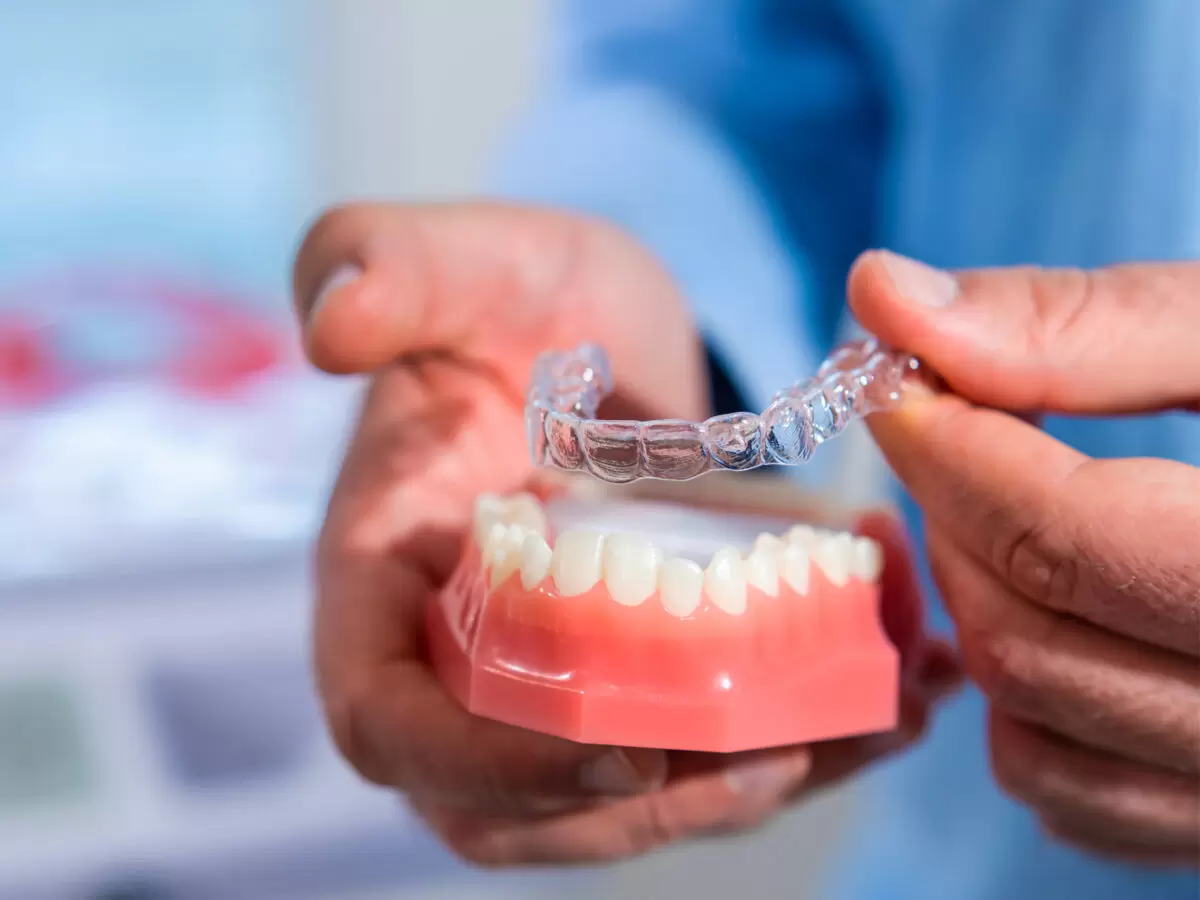
In simple terms, clear aligner orthodontic treatment uses a series of custom, nearly invisible trays to gently move teeth. You wear each set for a set number of hours per day, then switch to the next. The big picture is this. Aligners can make treatment more discreet, more flexible, and sometimes more comfortable. They are not right for every case, and they still require commitment, but they give you more options than you might have had in the past.
So where does that leave you as you weigh your choices and try to protect your oral health and your budget at the same time.
Why do crooked teeth feel like more than “just a cosmetic issue”?
Crooked or crowded teeth are often treated as a vanity issue, yet you may already sense there is more going on. Maybe your jaw clicks when you chew, your gums bleed when you floss crowded areas, or you notice food gets trapped between certain teeth no matter how carefully you brush. You might even have had a dentist mention that misalignment could be raising your risk of cavities or gum disease.
From an emotional standpoint, it can feel unfair. You brush, you show up for cleanings, you do “the right things,” yet you still feel self conscious when you smile. Because of this tension, you might wonder if you should just ignore it and live with what you have. The problem is that misaligned teeth often do not stay exactly the same over time. Bite forces, grinding, and bone changes can slowly make crowding or spacing worse.
According to resources like MedlinePlus on adult braces and orthodontics, straightening teeth is not only about appearance. It can support better cleaning, reduce wear on teeth, and improve your bite. So the question becomes less “Do I care enough about looks?” and more “What is the long term cost of doing nothing?”
How are clear aligners changing the experience of orthodontic care?
Clear aligners are not new, but the way they are used has evolved. Planning is now often digital. Tooth movements can be simulated on a screen, and the trays are made to follow that plan step by step. That shift has changed the experience in several ways.
Here are 5 key reasons invisible aligner treatment is reshaping how people think about orthodontics.
1. Privacy and confidence during treatment
One of the hardest parts of traditional braces for adults and teens is how visible they are. You might feel that your smile becomes a “braces smile” first, and you second. Clear aligners are designed to be hard to notice in everyday conversation. That means you can go to work, interviews, or social events without feeling like your treatment is the first thing others see.
For some people, this privacy makes them more willing to start treatment in the first place. When you feel less self conscious during the process, it is easier to stay consistent and finish.
2. Flexibility with eating and oral hygiene
Traditional braces stay on your teeth all day. Aligners are removable, which does create responsibility, yet it also gives you flexibility. You take them out to eat, drink anything other than water, and brush or floss. This means no list of “off limits” foods because of wires, and no trying to floss around brackets.
This can be especially helpful if you already struggle with gum health or if you are prone to cavities. Good brushing and flossing are easier without hardware in the way. The National Institute of Dental and Craniofacial Research highlights how important daily home care is for preventing gum disease and decay. Being able to clean teeth normally during treatment supports that goal.
3. Fewer office visits in many cases
Traditional braces often require regular adjustments. With aligners, much of the adjustment is built into the next tray in your series. You still need check ins, but for many patients, those visits are less frequent and shorter. If you juggle work, school, or childcare, fewer visits can mean less disruption and less time away from other responsibilities.
Of course, this depends on your specific case. Complex bite issues can still require more hands on care. That is why a thorough exam and planning session with a dentist or orthodontist is so important.
4. More comfortable edges and smoother surfaces
Metal brackets and wires can rub against cheeks and lips. Clear aligners are smooth plastic trays that hug your teeth. You may still feel pressure when a new set starts moving teeth, yet many people find the absence of poking wires and rough brackets makes day to day life easier.
Comfort matters more than it might seem. When treatment fits more gently into your routine, you are less likely to “cheat” on wearing time or to give up early.
5. Better planning and control when supervised professionally
Modern aligner systems used by dentists and orthodontists rely on careful planning. The American Association of Orthodontists explains how doctor supervised aligner treatment uses digital models and professional oversight to move teeth in a safe, controlled way. This is very different from unsupervised or mail only options, which may skip critical exams and X rays.
When aligners are planned and monitored by a professional, they become a powerful tool in the larger world of orthodontic treatment, not a shortcut. They can correct many crowding and spacing issues, and in some cases moderate bite problems, all while keeping your overall oral health in view.
Clear aligners vs traditional braces. How do they really compare?
So how do you weigh clear aligners against braces in a practical way. It helps to look at specific factors that matter in everyday life, not just marketing claims.
| Factor | Clear Aligners | Traditional Braces |
| Appearance | Nearly invisible trays. Often hard to notice in photos and conversation. | Visible brackets and wires on front of teeth. |
| Eating | Removed during meals. No food restrictions, but must remember to put them back in. | Stay on while eating. Certain hard or sticky foods may be limited. |
| Cleaning | Brush and floss normally with aligners out. Trays must be cleaned daily. | More careful cleaning needed around brackets and wires. Higher plaque risk if brushing is rushed. |
| Comfort | Smooth plastic surfaces. Pressure with new trays, but no wire pokes. | Can cause cheek and lip irritation. Wires may need clipping or wax. |
| Compliance | Must wear 20 to 22 hours per day. Easy to remove, which can tempt some people to skip. | Fixed on teeth. No option to remove, so wear time is automatic. |
| Case suitability | Works well for many mild to moderate alignment issues. Some complex bites need braces. | Can treat a wider range of complex bite and jaw problems. |
Seeing the trade offs in this way can help you ask better questions. For example, if you know you tend to forget retainers or night guards, you might want to talk honestly with your dentist about whether removable aligners fit your habits. If appearance and easier cleaning are top priorities, that may nudge you toward aligners if your case allows it.
What can you do right now if you are considering clear aligners?
Feeling overwhelmed is normal. You are trying to make a decision that affects your health, your confidence, and your budget. Here are three concrete steps you can take to move from confusion to clarity.
1. Schedule a professional evaluation, not just a “quick quote”
Before you decide on any type of orthodontic care, you need a full picture of your oral health. That means an exam, X rays, and a conversation about your goals, lifestyle, and any jaw or joint symptoms. Ask specifically whether clear aligners are safe and effective for your situation, and what the alternatives are if they are not the best match.
Bring a written list of questions. For example. How long is treatment expected to take. How often will checkups be needed. What happens if a tray is lost or broken. What are the total costs, including retainers afterward.
2. Be honest about your daily habits and routines
Clear aligners only work if they are worn consistently. That usually means most of the day and all night, removing them only for meals and cleaning. Think about your real life, not your ideal life. Do you snack often. Do you travel a lot and sometimes fall asleep without brushing. Do you already struggle to remember retainers or mouthguards.
This is not about judgment. It is about matching the treatment to the person. If you know you can commit to the routine, aligners can fit beautifully into a busy life. If you worry you will forget, talk with your dentist about strategies or whether fixed braces may actually be less stressful for you.
3. Plan for long term maintenance, not just the active treatment
Teeth have a natural tendency to shift back if they are not held in place after treatment. No matter which method you choose, you will need retainers. Ask how long you are expected to wear them, what type they will be, and how they are replaced if lost. Build this into your budget and your mindset from the start.
Thinking beyond “getting straight teeth” to “keeping them straight” can prevent disappointment years later and protect the investment of your time and money.
Finding a path forward that feels right for you
You might still feel some hesitation, and that is okay. You are weighing more than straight teeth. You are weighing how you feel about your smile, how treatment will fit into your days, and how to protect your long term oral health. Clear aligners are not the only answer, yet they have opened up new possibilities for many people who once felt stuck between living with misalignment and committing to metal braces.
The next step is not to decide everything at once. The next step is to have a real conversation with a trusted dental professional, ask direct questions, and give yourself permission to choose the option that fits your life, not someone else’s idea of perfection.
You deserve a solution that respects your time, your comfort, and your goals. With good information and thoughtful guidance, you can move toward a smile that feels more like you, and do it in a way that you can live with every day.
Technology Perspective
Technology continues to transform industries through artificial intelligence, cloud computing, automation, cybersecurity, digital platforms, and data-driven decision making. As organizations increasingly adopt digital solutions, understanding emerging technologies becomes essential for businesses, professionals, and consumers. DGM News regularly covers these developments through expert analysis, technology news, and educational resources.
Innovation Outlook
Rapid advances in artificial intelligence, automation, machine learning, cloud infrastructure, and digital transformation continue reshaping global industries. Monitoring these developments helps organizations adapt to changing technologies, improve efficiency, and prepare for future innovation.
Did you know?
Artificial Intelligence is expected to influence nearly every major industry over the coming decade, from healthcare and finance to transportation, manufacturing, education, and entertainment.
AI, Machine Learning, Deep Learning and Generative AI Explained
Google AI Updates
About DGM News
DGM News is an independent digital publication delivering the latest Technology News, AI News, and FinTech News. We provide expert insights on startups, innovation, cybersecurity, software, business, gadgets, cloud computing, artificial intelligence, and emerging technologies. Our mission is to publish informative, accurate, and regularly updated content that helps readers stay informed in today's rapidly evolving digital landscape.
Since our editorial focus includes technology, artificial intelligence, and financial technology, we continuously expand our coverage as new innovations emerge.
Editorial Standards
Every article published on DGM News undergoes editorial review before publication. We prioritize factual accuracy, clarity, transparency, and reader value while following responsible digital publishing practices.
Research Methodology
Our editorial team researches publicly available information from official announcements, technical documentation, research publications, developer resources, reputable industry reports, and trusted public sources whenever applicable. Information is reviewed to improve clarity and accuracy before publication.
Fact-Checking Policy
We make reasonable efforts to verify factual information before publishing. Articles are reviewed for accuracy, consistency, and relevance. If significant developments occur after publication, content may be revised to reflect updated information.
Update Policy
Technology evolves rapidly. Articles may be reviewed and updated periodically to reflect software releases, AI developments, security advisories, regulatory updates, product launches, and other important industry changes.
Source Verification
Whenever possible, DGM News reviews information using official company announcements, technical documentation, research publications, government resources, publicly available reports, and reputable industry references before updating articles.
Editorial Independence
DGM News maintains editorial independence in all publishing decisions. Editorial content is produced independently and is intended to provide balanced, informative, and reader-focused coverage without influence from advertisers or commercial partnerships.
AI Usage Disclosure
Artificial intelligence tools may assist with research organization, grammar improvement, formatting, or editorial workflows. Every article is reviewed by human editors before publication to help maintain quality, clarity, and factual accuracy.
Corrections Policy
Accuracy is important to us. If readers identify outdated information or factual inaccuracies, they are encouraged to contact our editorial team. Verified corrections are reviewed and incorporated whenever appropriate.
Reader Feedback
Reader feedback helps improve our journalism. We welcome suggestions, corrections, and constructive feedback through our Contact page to continuously improve the quality of our reporting.
Last Editorial Review
This article follows the DGM News editorial review process and may be updated periodically as new information becomes available.
Why Trust DGM News?
DGM News is committed to publishing technology journalism that emphasizes accuracy, transparency, editorial independence, and regularly updated information. Our editorial process is designed to provide readers with reliable coverage of technology, AI, fintech, startups, and digital innovation.
DGM News Resources
Topics We Cover
Artificial Intelligence • AI Tools • Machine Learning • FinTech • Cybersecurity • Cloud Computing • Programming • Software Development • Gadgets • Mobile Technology • Business Technology • Startups • Digital Marketing • Blockchain • Cryptocurrency • Science • Innovation • Consumer Technology • Enterprise Technology • Automation