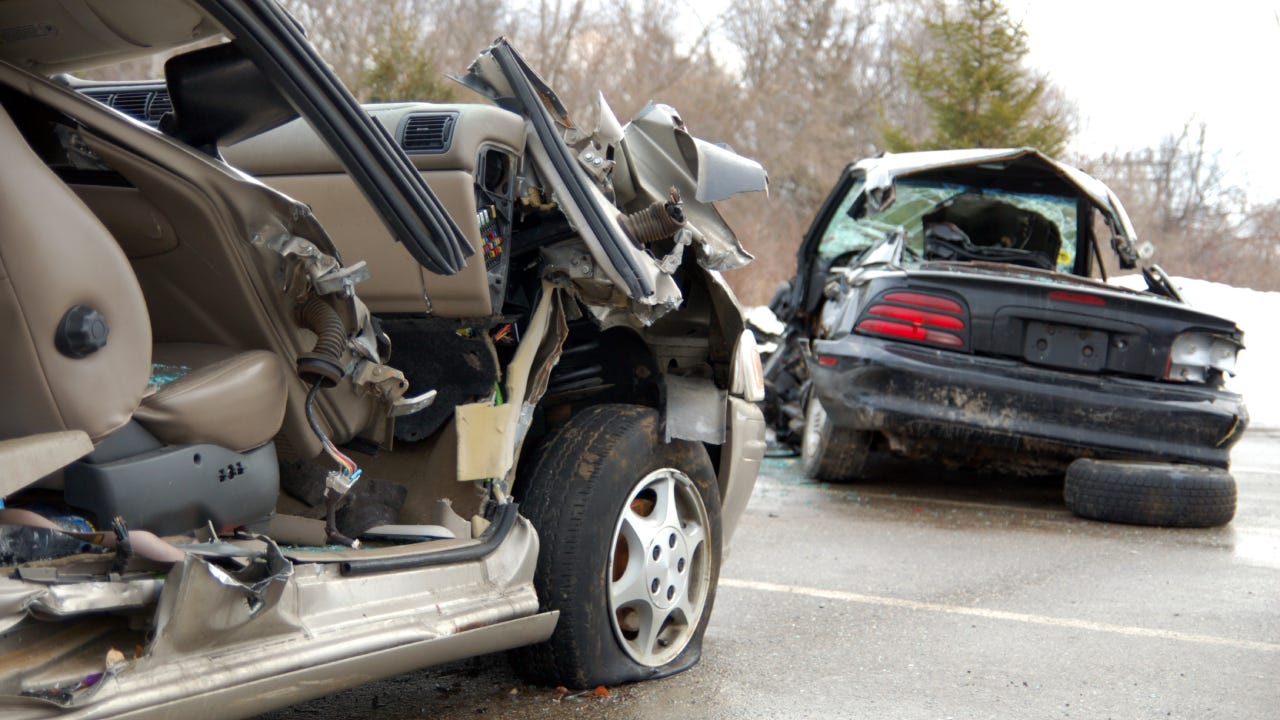
Car crashes leave more than dents and broken glass. They leave people shaken. Many folks feel that long after the bruises heal. If you’ve been in a crash in Houston, you may know that strange mix of fear, anger, and stress that sticks around. It’s real. And Texas law lets you seek payment for that pain. You might be thinking, “Can I really file a claim for how I feel?”
Yes, you can. And it matters just as much as the damage to your car. Let’s break it down in a simple way, without all the legal fluff.
Why emotional distress matters more than you think
Most people talk about whiplash or broken bones after a crash. But the mind often takes the hardest hit. Some folks can’t sleep. Others jump when they hear loud brakes. Some can’t get behind the wheel for weeks. And here’s the thing—emotional harm changes how you live your daily life. It can keep you from work. It can change how you talk to your family. It can drain your energy before the day even starts. No one sees the scars, but you feel them.
Texas law allows victims to claim emotional distress when a crash causes lasting mental strain. This can include:
- Fear or anxiety
- Trouble sleeping
- Panic attacks
- Sadness or mood swings
- PTSD (yes, it happens in crash cases more often than people think)
You don’t need a blockbuster injury to feel these things. Even a “small” crash can shake you up. And if it does, you deserve help.
What the law says
Texas is pretty clear about this part. If someone else caused the crash, they can be held responsible for the harm you feel—both physical and emotional. You may hear lawyers use terms like mental anguish or emotional injury. These sound heavy, but they simply mean that the crash affected you beyond the accident scene. Texas courts look at these cases one fact at a time. They want to see how your stress changed your life. Think of it like this: If your mind keeps replaying the moment of impact, that’s not “just stress.” That’s an injury.
How do you prove emotional distress in Houston?
Now we reach the part that trips people up. Emotional harm is real, but you can’t take a picture of it like a cracked bumper. So how do you show it?
Let me explain with a simple idea: you build a story with evidence. You show how your life changed after the crash.
You can use:
- Doctor or therapy visits
- Notes from counselors
- Medication records
- Statements from friends or family
- Your own journal entries
- Workplace write-ups showing changes in behavior or missed work
Many people skip getting help because they think they just need time. But starting treatment early helps you heal and strengthens your claim. You know what? Even simple things, like telling your doctor “I can’t sleep since the crash,” help build that picture.
Why timing matters so much
Houston is big. Crashes happen every day. Insurance companies know that. They also know most people don’t report signs of emotional distress until weeks later. And they use that gap against you. The earlier you report your symptoms, the harder it is for an insurer to claim you’re “making it up.” Yes, they say things like that. A lot. There’s also the Texas deadline to file. You normally get two years from the accident date. But emotional distress cases often take more time to document. Waiting too long creates pressure you don’t need. Starting sooner gives you room to breathe.
What emotional distress is worth in Texas
No two cases look the same. People deal with fear and stress in different ways. Payment depends on how much the crash changed your life.
These factors play a major role:
- The seriousness of your physical injuries
- How long your symptoms last
- Your need for therapy or medication
- Whether your fear affects work or school
- Whether your daily life changed in a clear way
Some folks get a few thousand dollars. Others receive far more. It depends on your story. And your story matters. A good Houston injury lawyer knows how to explain your experience in a strong way that an insurer can’t brush off. Think of them as the person who helps finish the sentence you’re trying to say.
What a Houston car accident lawyer actually does for emotional distress
Some people think a lawyer only deals with legal paperwork. But a good one does more than that. They help you express what you’re going through.
Here’s what they do behind the scenes:
- Gather all your medical and therapy records
- Work with mental-health experts
- Talk to witnesses
- Deal with the insurance company so you don’t have to
- Build a clear picture of how the crash changed your life
And yes, they push back when insurers lowball you. Because they will. Think of your lawyer as the anchor you grab when your mind keeps drifting back to that moment of impact.
What you should do right after symptoms show up
Even if your crash was weeks ago, you can still take steps. Here’s a simple list that won’t stress you out:
- Talk to your doctor. Explain exactly what you feel.
- Write things down. A small notebook works.
- Tell someone close to you. Their support matters, and their words may help your claim.
- Save every record. Even small receipts show the story.
- Call a lawyer. You don’t need to fight the insurance company alone.
None of this needs to be perfect. You just need to start.
Why people stay silent—and why you shouldn’t
A lot of Houston crash victims feel embarrassed talking about emotional pain. They’re stuck thinking they “should be fine.” That mindset hurts more than the crash itself sometimes. You feel what you feel. And stress after a crash is normal. If your chest tightens every time you pass the intersection where it happened, that’s your body telling you something isn’t right. Ignoring it won’t make it go away. Getting support doesn’t make you weak. It makes you honest.
Final Thoughts
You didn’t choose the crash. You didn’t choose the fear that came with it. But you can choose what happens next. Emotional distress is real. Texas law recognizes it. And you deserve help to get through it. If a crash in Houston left you shaken, don’t shrug it off. Talk to Schechter, Shaffer & Harris, LLP – Accident & Injury Attorneys. They understand these cases and guide you through the process. You shouldn’t carry it alone.
FAQs: Houston Emotional Distress Claims After a Car Crash
1. Can I file an emotional distress claim with no physical injury?
Yes. Texas allows emotional distress claims even without visible injuries, as long as the crash caused the stress.
2. Do I need a therapist to prove emotional distress?
You don’t need one, but it helps a lot. Treatment records make your case stronger.
3. How long does an emotional distress claim take in Houston?
Most cases take a few months, but it can take longer if your symptoms continue or the insurer fights the claim.
4. Will the insurance company take emotional distress seriously?
Not at first. They often push back. That’s why legal help makes a big difference.
5. What if I feel fine at first but get anxious later?
That’s common. Report symptoms as soon as they show up, even if weeks have passed.