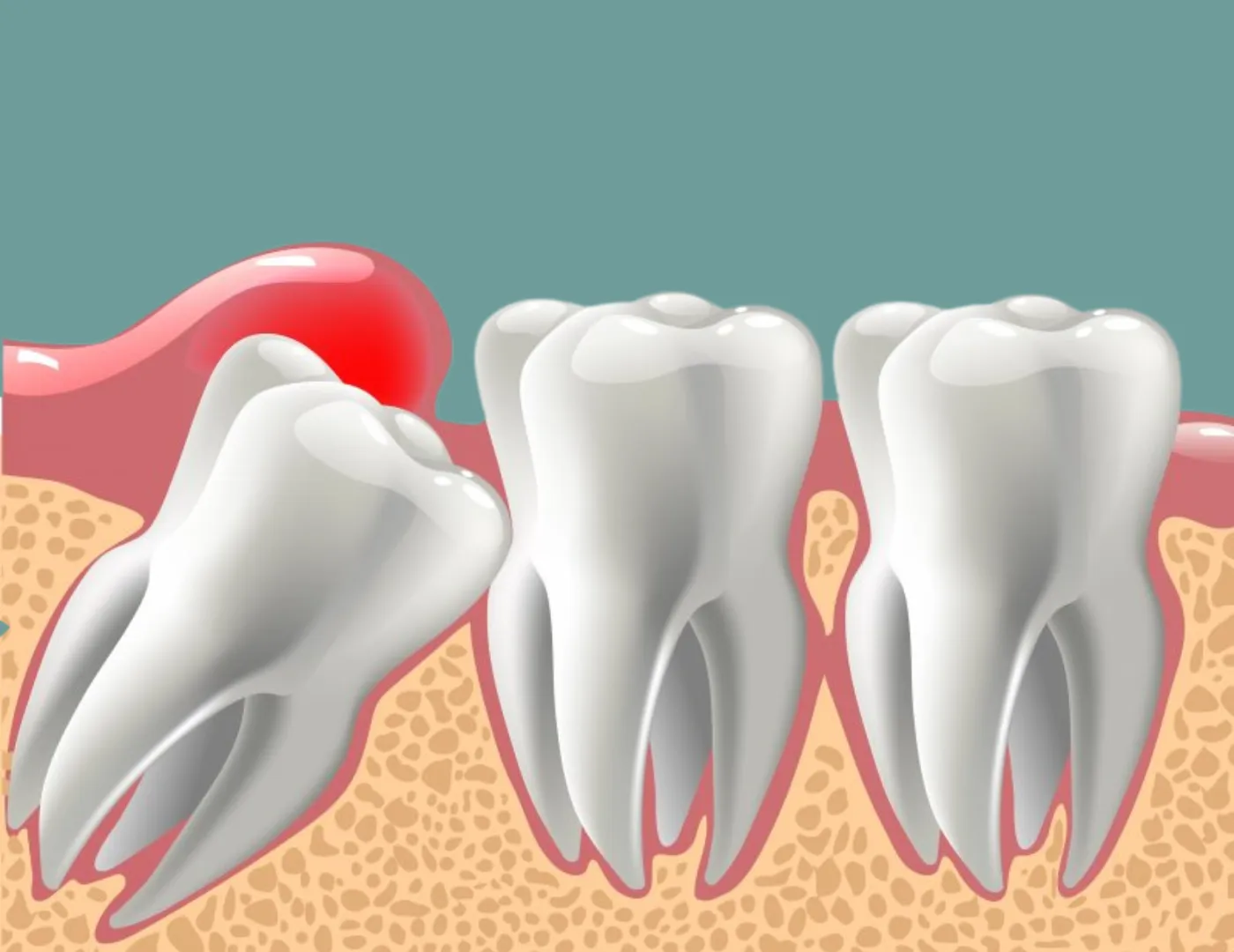
Wisdom teeth, also called third molars, usually emerge between ages 17 and 25. While some people experience no problems, many Singaporeans face issues with an impacted wisdom tooth, which occurs when a tooth cannot fully emerge due to limited jaw space or abnormal growth angles. This can lead to pain, swelling, infection, and even misalignment of surrounding teeth.
Managing an impacted wisdom tooth early can save you from unnecessary discomfort and prevent long-term dental complications. This guide explains the signs, causes, treatments, and preventive measures for impacted wisdom teeth in Singapore.
What Is an Impacted Wisdom Tooth?
An impacted wisdom tooth is a tooth that does not erupt fully through the gum line. This can happen due to overcrowding, misalignment, or delayed eruption. Dentists classify impacted wisdom teeth into several types:
- Partially erupted: The tooth breaks through the gum slightly, often forming a flap that can trap food and bacteria.
- Fully impacted: The tooth remains entirely embedded in the jaw or gum, visible only through X-rays.
- Angled or horizontal impaction: The tooth grows at a sideways angle, pressing against neighboring teeth.
Even if an impacted tooth does not immediately cause pain, it can still affect oral health over time.
Signs and Symptoms of Impacted Wisdom Teeth
Early detection is crucial to avoid complications. Common signs include persistent pain at the back of the jaw, swelling, redness, or bleeding of the gums near the tooth. Some patients may have difficulty opening their mouths fully, a condition called trismus.
Bad breath or a foul taste in the mouth can occur due to trapped bacteria under the gum flap. Recurrent infections around the area are also a warning sign. Ignoring these symptoms may result in more severe issues like gum disease, cavities, or misalignment of other teeth.
Causes and Risk Factors
Impacted wisdom teeth can develop due to several factors. Insufficient jaw space is a common reason, as smaller jaws often do not accommodate third molars properly. Genetics also play a role; if a family member has impacted teeth, you may be more susceptible.
Other factors include misaligned growth and delayed eruption. A tooth growing sideways can press against neighboring teeth, causing crowding, pain, or even damage to adjacent molars. Delayed eruption occurs when the tooth appears later than usual, creating pressure against other teeth and increasing the risk of impaction.
Risks of Ignoring Impacted Wisdom Teeth
Leaving an impacted wisdom tooth untreated can lead to serious dental problems. Misalignment may push other teeth out of position, causing bite issues and crowding. Partially erupted teeth can create pockets that trap food and bacteria, increasing the risk of infections and cavities.
In some cases, cysts can form around the impacted tooth, potentially damaging the jawbone and nearby teeth. Chronic infections may also raise the likelihood of gum disease and other oral complications. Early intervention is key to preventing these outcomes and ensuring long-term oral health.
How Dentists Diagnose and Treat Impacted Wisdom Teeth
Dentists in Singapore use clinical examinations and imaging, such as panoramic X-rays, to identify impacted wisdom teeth. These tools help determine the tooth’s position, angle, and potential effects on surrounding teeth.
Treatment Options
- Monitoring: If the tooth is asymptomatic, dentists may recommend periodic observation to ensure no complications arise.
- Medication: Pain relief or antibiotics can manage temporary discomfort or infection but do not address the underlying impaction.
- Extraction: Surgical removal is the most effective solution for symptomatic impacted teeth. Depending on complexity, the procedure may involve local anesthesia or sedation. Proper post-operative care ensures healing and reduces infection risk.
Dentists may also advise on oral hygiene techniques to minimize discomfort and prevent further complications.
Recovery and Preventive Care
Recovery from wisdom tooth removal generally takes one to two weeks. Patients should follow post-operative instructions carefully, including gentle brushing around the surgical site, rinsing with warm salt water, and avoiding hard, sticky, or chewy foods.
Even if extraction is not immediately necessary, maintaining excellent oral hygiene around partially erupted teeth is essential to prevent bacterial buildup, gum inflammation, and cavities. Regular dental check-ups help detect potential issues early and maintain long-term oral health.
Choosing the Right Dental Clinic in Singapore
Selecting a reputable dental clinic is crucial for safe and effective treatment. Clinics like Nuffield Dental offer experienced dental teams, modern imaging, and minimally invasive surgical techniques for impacted wisdom teeth.
When choosing a clinic, consider factors such as patient reviews, reputation, and availability of sedation dentistry for patients with anxiety. Seeking early professional care ensures impacted wisdom teeth are managed effectively, preventing complications and maintaining a healthy, pain-free smile.
Key Takeaways
Impacted wisdom teeth are a common issue that can be managed effectively with early detection and proper care. Recognizing symptoms, seeking timely professional evaluation, and following recommended treatment and recovery practices are essential for maintaining long-term oral health. Singaporeans can rely on clinics such as Nuffield Dental for expert guidance, modern treatments, and personalized care to manage impacted wisdom teeth safely and comfortably.
Frequently Asked Questions
1. At what age do wisdom teeth usually appear?
Wisdom teeth typically emerge between ages 17 and 25, though timing can vary among individuals.
2. How can I tell if my wisdom tooth is impacted?
Symptoms include jaw pain, swelling, gum irritation, difficulty opening the mouth, and recurring infections. Dental X-rays confirm impaction.
3. Is extraction painful?
Dentists use local anesthesia or sedation to minimize pain. Mild post-operative discomfort is normal and manageable with prescribed medication.
4. Can impacted wisdom teeth affect other teeth?
Yes, they can push adjacent teeth, increase the risk of cavities, and cause misalignment if left untreated.
5. How long is recovery after wisdom tooth removal?
Recovery usually takes one to two weeks, with swelling and mild discomfort reducing within a few days.