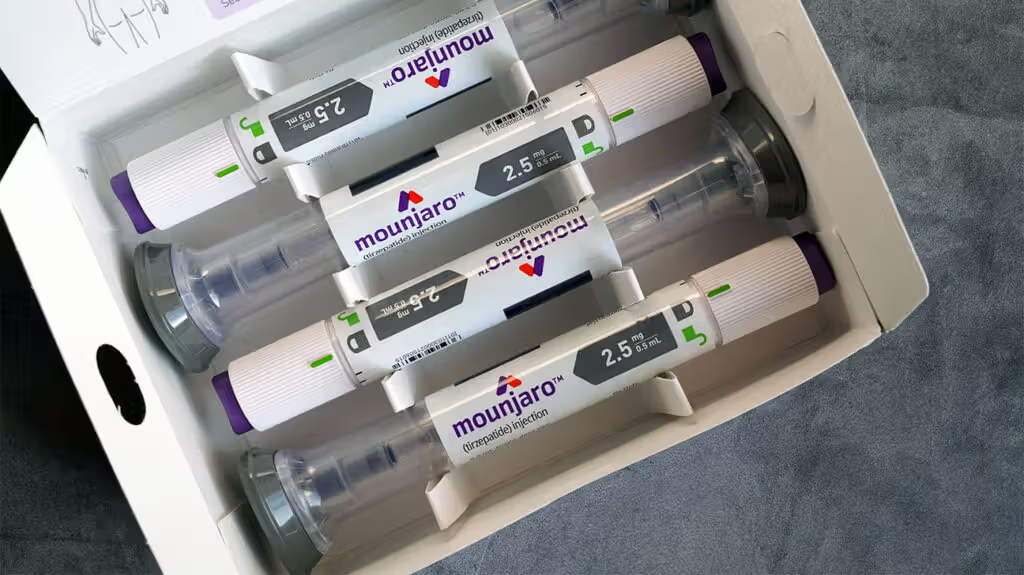
Medications like Mounjaro (tirzepatide) have quickly become a major part of modern treatment for Type 2 Diabetes and obesity. Many patients across the UK are now using this once-weekly injection to improve blood sugar control, reduce appetite, and support sustainable weight loss.
While early results can be encouraging, long-term success with Mounjaro depends on more than just taking the injection. Patients and clinicians need to monitor several health markers to ensure the treatment remains safe, effective, and well-tolerated over time.
This guide explains what UK patients should watch when using Mounjaro long term—from metabolic changes and nutritional health to lifestyle habits that support lasting results.
If you’re new to treatment, you can explore how Mounjaro works and how prescriptions are provided in the UK here:
Why Long-Term Monitoring Matters
Weight-management medications are most effective when combined with regular health monitoring. Over months or years of treatment, clinicians typically track several indicators to ensure the medication continues delivering benefits without causing unwanted complications.
Monitoring helps identify:
- Whether the medication is still effective
- If the dose needs adjustment
- Any potential side effects developing over time
- Lifestyle factors influencing results
Because Mounjaro influences metabolism, appetite, and digestion, regular check-ins allow clinicians to maintain the right balance between effectiveness and safety.
1. Body Weight and Body Composition
The most obvious change many patients track is weight. However, clinicians increasingly look beyond simple scale readings.
Important measures include:
- Total body weight
- Body fat percentage
- Waist circumference
- Muscle mass retention
Gradual weight loss is usually healthier than rapid drops. Losing excessive muscle mass during weight reduction can negatively affect metabolism and long-term maintenance.
Patients who combine Mounjaro with resistance training and adequate protein intake often maintain healthier body composition.
2. Blood Sugar Levels
Although many people now use Mounjaro for weight management, the medication was originally developed to treat Type 2 Diabetes.
Even patients without diabetes may benefit from monitoring:
- Fasting glucose
- HbA1c levels
- Insulin sensitivity markers
Stable blood sugar is one reason many patients experience fewer energy crashes and reduced cravings while on treatment.
Regular monitoring ensures glucose levels remain balanced as weight changes occur.
3. Digestive Tolerance
Because Mounjaro slows gastric emptying, digestive symptoms are common early in treatment. For most people, these improve as the body adapts.
However, patients should continue monitoring:
- Persistent nausea
- Severe bloating
- Abdominal discomfort
- Changes in bowel patterns
If symptoms worsen or remain severe over time, clinicians may adjust dosage or recommend dietary changes.
4. Nutritional Intake
Reduced appetite can help with calorie control, but it also increases the risk of under-eating essential nutrients.
Patients using Mounjaro long term should pay attention to:
- Protein intake
- Vitamin levels
- Iron and B-vitamins
- Hydration
Because meals often become smaller, each meal needs to be more nutritionally balanced.
Some UK clinicians recommend periodic nutritional reviews to ensure patients are maintaining adequate intake.
5. Cardiovascular Health
Weight loss often improves cardiovascular markers, which is one of the broader benefits seen with GLP-1 related medications.
Patients may notice improvements in:
- Blood pressure
- Cholesterol levels
- Triglycerides
- Inflammation markers
Monitoring these indicators helps track how treatment influences long-term heart health.
6. Energy Levels and Daily Function
Another important but less discussed factor is energy stability.
Many patients report:
- More stable energy throughout the day
- Reduced post-meal fatigue
- Improved motivation for physical activity
However, if someone experiences ongoing fatigue or weakness, clinicians may evaluate nutrition, sleep, and medication dosing.
7. Mental and Behavioural Changes Around Food
One of the most powerful effects of Mounjaro is the reduction of persistent food thoughts, sometimes called “food noise.”
Long-term monitoring should consider behavioural changes such as:
- Reduced emotional eating
- Improved portion control
- Healthier food choices
- Consistent meal timing
These behavioural shifts often play a major role in maintaining weight loss even beyond medication use.
8. Dose Effectiveness Over Time
Not every patient requires the highest dose of Mounjaro. Over time, clinicians may adjust dosing based on:
- Weight-loss progress
- Side-effect tolerance
- Blood sugar trends
- Appetite response
Some patients maintain results with moderate doses, while others require gradual increases.
Regular medical reviews ensure the dose remains appropriate.
9. Long-Term Lifestyle Habits
Medication works best when supported by sustainable lifestyle habits.
Patients achieving long-term success with Mounjaro often focus on:
- Balanced nutrition
- Regular physical activity
- Strength training
- Sleep quality
- Stress management
These factors help maintain metabolic improvements and prevent weight regain.
10. Accessing Treatment Safely in the UK
Because Mounjaro is a prescription medication, it should always be obtained through regulated medical providers.
Legitimate access typically includes:
- Medical consultation
- Eligibility assessment
- Prescription approval
- Pharmacy dispensing
Patients considering treatment can review safe prescribing pathways here:
Frequently Asked Questions (FAQ)
How long can patients stay on Mounjaro?
Clinical studies suggest long-term use can be safe under medical supervision. Many patients continue treatment for extended periods if benefits outweigh risks.
Do you need regular blood tests while taking Mounjaro?
Many clinicians recommend periodic blood tests to monitor glucose levels, cholesterol, and overall metabolic health.
Will appetite remain suppressed long term?
For most patients, appetite control continues during treatment, though the intensity may stabilise over time.
Can weight return after stopping Mounjaro?
Weight regain can occur if appetite increases again. Sustainable lifestyle habits help maintain results.
Is Mounjaro available on the NHS?
Currently, NHS access is primarily for patients with Type 2 Diabetes, though availability may expand as evidence evolves.
Conclusion
Long-term use of Mounjaro can offer meaningful benefits for weight management and metabolic health. However, successful treatment depends on ongoing monitoring rather than relying on the medication alone.
By tracking weight trends, blood sugar levels, nutritional intake, cardiovascular health, and lifestyle habits, UK patients and clinicians can ensure the therapy remains safe and effective over time.
When combined with sustainable behaviours and regular medical guidance, Mounjaro has the potential to support lasting improvements in health, appetite regulation, and quality of life.