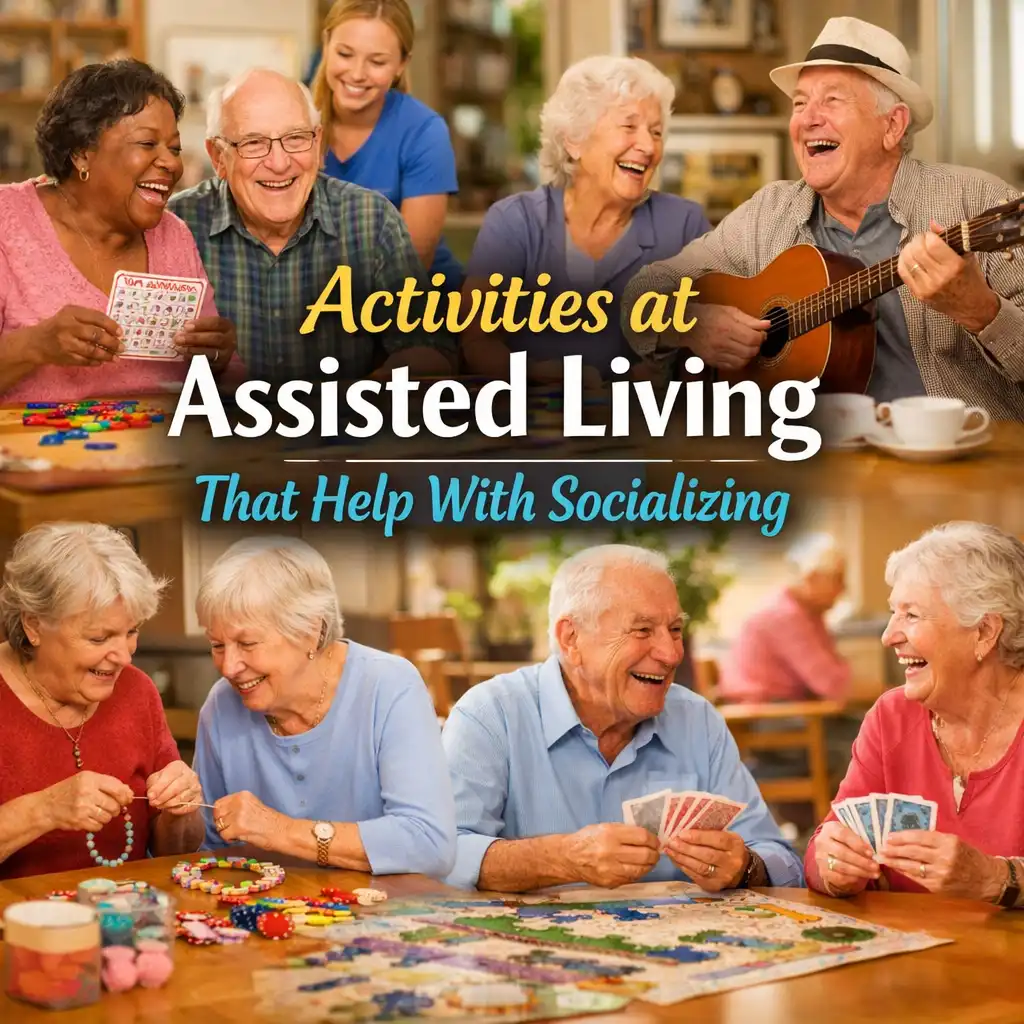
Social connection is an important part of maintaining emotional and mental well being, especially for older adults. Moving into an assisted living community can provide new opportunities to build friendships and stay engaged with others. One of the biggest advantages of assisted living Logan Utah is the wide variety of activities designed to encourage residents to interact, connect, and form meaningful relationships. These activities help reduce loneliness, improve mood, and create a strong sense of community.
Group Exercise Classes
Exercise is not only beneficial for physical health but also for social interaction. Many assisted living communities offer group fitness classes such as chair yoga, stretching sessions, walking clubs, or light aerobics. These classes bring residents together in a relaxed environment where they can work toward shared health goals.
Participating in group exercise gives residents the chance to chat, laugh, and motivate one another. Over time, these regular classes often lead to friendships that extend beyond the fitness room.
Game Nights and Social Games
Games are a fun and easy way for residents to interact with one another. Assisted living communities often organize game nights featuring activities like bingo, card games, board games, and trivia contests. These events create a lively atmosphere where residents can enjoy friendly competition and conversation.
Games also help stimulate memory and cognitive function, making them beneficial for both social and mental health. Even residents who may feel shy at first often find games to be a comfortable way to meet others.
Arts and Crafts Activities
Creative activities provide another excellent opportunity for socializing. Art classes, painting sessions, knitting groups, and craft workshops allow residents to work on projects while chatting with others who share similar interests.
These activities create a relaxed setting where conversation flows naturally. Residents can share ideas, encourage one another, and take pride in creating something together.
Community Dining Experiences
Shared meals are one of the most important social experiences in assisted living. Dining rooms are designed to encourage conversation and interaction among residents. Sitting together for breakfast, lunch, or dinner gives residents the chance to build daily routines and connect with their neighbors.
Many communities also host themed dinners, holiday meals, or special events that make dining an enjoyable social gathering rather than just a meal.
Educational Classes and Discussion Groups
Learning does not stop with age. Many assisted living communities offer educational opportunities such as book clubs, guest speakers, history discussions, or technology classes. These activities allow residents to engage their minds while sharing ideas and perspectives with others.
Discussion based activities encourage meaningful conversations and often help residents bond over shared interests or experiences.
Group Outings and Local Trips
Assisted living communities frequently organize group outings to local restaurants, parks, museums, or community events. These trips allow residents to explore the surrounding area while spending time together outside the community.
Traveling as a group often strengthens social connections because residents share new experiences and create lasting memories together.
Music and Entertainment Events
Music and entertainment events are popular social activities in assisted living communities. Live music performances, sing along sessions, movie nights, and dance events bring residents together in a fun and energetic environment.
Music in particular has a powerful way of bringing people together. Residents often enjoy reminiscing about favorite songs and sharing stories connected to the music they love.
The Importance of Social Connection
Social interaction plays a major role in maintaining emotional health and overall quality of life. Activities that encourage socializing help residents stay engaged, build friendships, and feel connected to the community around them.
Assisted living communities are designed to provide not only support with daily tasks but also opportunities for meaningful relationships and enjoyable experiences. Through group activities, shared meals, and community events, residents can stay socially active and continue building fulfilling connections.