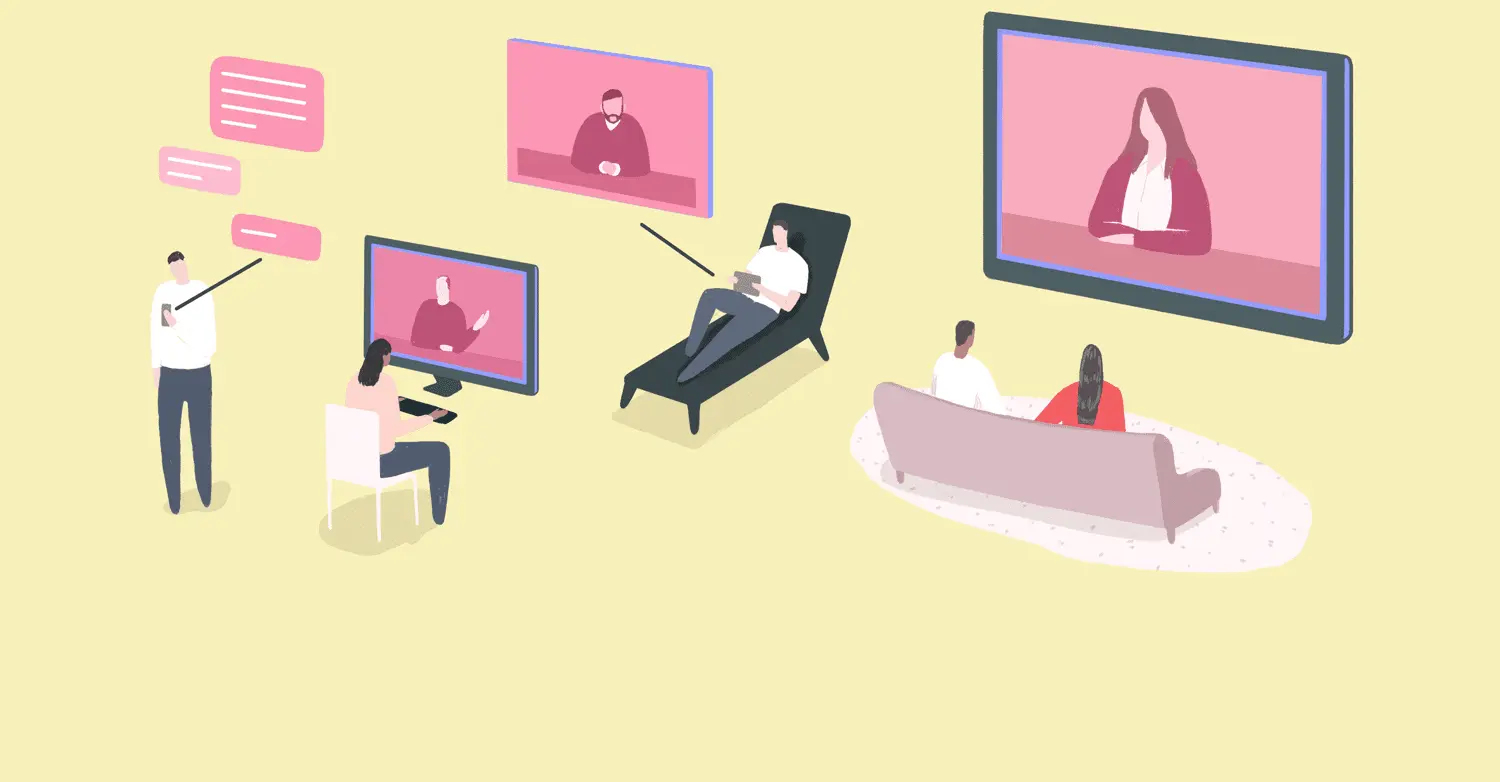
The aspect of mental health care has transformed due to the constant transformation in technology in influencing the manner these individuals communicate and seek support. Previously, patients had to go to therapy by travelling to their clinics and in order to commit themselves to an energy-intensive schedule, as well as face logistical obstacles that complicated their regular treatment. Digital solutions however are working to bridge that gap today.
Among the most significant trends in recent care, the emergence of remote mental health therapy services should be mentioned. These services would enable any individual to access services of licensed mental health professionals via the security online channels. People are therefore able to obtain counseling, emotional direction and therapeutic assistance, without the restriction of place or means of transport. This remote therapy movement has created new options to people who want assistance in handling anxiety, depression, trauma, and other issues of emotions. More to the point, it has helped to make professional care more affordable to individuals that used to have a hard time trying to find consistent support.
Developing the Need to Increase Mental Health Care.
There is a tremendous growth in mental health awareness in the recent past. A large number of people have come to understand that emotional health is equally important as opposed to physical health. Nevertheless, even with this development, the access to care continues to be a complication to many populations. An example is that individuals in the rural locations might lack the close mental healthcare centres. There are other people who might experience long queues, or have transport problems, or hardworking schedules, which do not allow them to visit in person appointments. Moreover, other people are scared of being in clinical setting or talking directly to someone about personal struggle. These barriers make most individuals take several years before seeking assistance even when they realize that they need professional advice. Remote therapy services provide the solution to these issues by providing compact and adaptive treatment alternatives to suit the new lifestyle.
Remote Mental Health Therapy Services: What It Involves.
Remote therapy services offer counseling and mental health services by using digital communication networks like video conferencing services. At these sessions, people are able to communicate with the therapists in real hours where they can effectively engage in chatting and provide therapeutic advice. The therapeutic process does not diffuse much because even though the format is not in person, as it would be in a regular visit, the format is similar. Assessments are utilized by therapists to identify treatment objectives, evaluate client needs, and apply evidence based practice to treat clients so as to overcome emotional stresses. The sessions are usually in the form of open discussions about thoughts, behaviors and experience that can attribute to mental health issues. In the process, therapists assist their persons to come up with healthier coping mechanisms, become more adept at properly managing emotions and also enhance resilience. Since the sessions take place online, the clients are given an opportunity to undergo therapy in the settings and environments in which they are comfortable and safe. This ease usually adds enthusiasm to increased involvement and attendance throughout the treatment process.
Increasing The Accessibility of Mental Health Care.
One of the most significant pros of remote therapy is its accessibility. A large number of those individuals who were formerly unable to access qualified mental health practitioners are now able to reach licensed therapists in other parts of the world. To give an example, it is possible that the mental health care resources in a small town are scarce. Remote therapy eliminates the geography factor and offers such an individual an opportunity to get expert advice without having to go far distances. Moreover, people with mobility or physical impairments as well as those with chronic conditions, the therapy is so easily handled over the distance than through direct visits. These services make more people to get the help they need since logistical barriers are eliminated. Consequently, remote therapy will help make mental health care more equitable and inclusive.
Helping the Therapy Consistency.
The importance of consistency in the effective treatment outcome is high. Frequent sessions enable the therapists and the clients to evaluate the progress, explore issues and develop treatment plans as time goes by. But most individuals find it a problem to keep regular appointments because of work, family, or transportations. Remote therapy can be used to address this issue with its flexibility in scheduling and easy accessibility. Since the sessions may be made at home or in any other confidential space, people will not be inclined to cancel appointments. This ongoing care enables increments of progress in therapy to develop consistently thus contributing to reinforced emotional development and enhanced wellbeing.
Providing Cozy environments to have an honest chat.
The very thought of being in the office of a therapist can be intimidating to some people. The fear of new surroundings or of being judged and looked down upon might not allow individuals to completely open up in sessions. To minimize this discomfort, remote therapy may be applied, as people can be involved in counseling in their places of comfort. Clients may feel more comfortable sharing their personal experiences and emotional issues when they are relaxed and feel safe in the environment they are in. This heightened comfort has the ability to build the therapeutic relationship between the client and the therapist. With increased trust, people will be open to discussing challenging issues to them and engaging in constructive change.
Overcoming Anxiety and Depression by Remote Care.
Anxiety and depression are the most prevalent mental health issues associated with individuals in modern times. These ailments may affect work performance, relationships, as well as the quality of life. Remote therapy offers a good means through which people facing these predicaments can get regular encouragement. Evidence based therapies like cognitive behavioral therapy are used by therapists to make the clients recognize their negative problematic thoughts and achieve more constructive worldviews. With the help of discussions and exercises, people acquire the techniques on how to deal with stress, enhance their emotional stability, and become more confident. With time, these gadgets enable individuals to be stronger as they face life challenges. Due to easy access of sessions, people will be able to continue therapy even at such challenging times when it can seem impossible to leave the house.
Combining Remote Therapy and Structured Programme Treatment.
Remote therapy is often used as a part of comprehensive therapy, although it is often used as a primary form of care. Remote therapy can be regarded as an extension to the recovery process of people who undergo organized mental health initiatives. Indicatively, one who has undergone residential treatment can still work with therapists even when back home. This continuity aids continuity and strengthens coping strategies that were acquired in a more intensive treatment. Moreover, the remote therapy enables the professionals to check the emotional wellbeing and offer support to the people in returning to the normal life. The current advice can be critical to the stability in the long term.
Technology Its Enhancement of therapy.
The development of the technology has made remote therapy as safe and efficient as ever. The encrypted communication systems that are applicable in modern platforms ensure the client is protected and also through the use of these systems, the video sessions are of high quality. Besides live sessions, there are numerous digital tools which facilitate continuous interaction between appointments. Safe messages apps also enable the clients to converse with therapists in the event of queries or concerns. Certain websites also provide learning resources, guided practices, and mental health information which enhances the therapeutic methodology. These devices motivate individuals to maintain coping mechanisms in day to day lives enhancing the overall treatment effect. Remote therapy will probably become even more adopted into the overall mental health care systems as the technology keeps developing.
The Importance of Stigmatizing Before you seek help.
Although more people are becoming aware, a number of people remain in stigma associated with mental health treatment. There are those individuals who do not want to engage in therapy lest to be looked upon. Remote therapy is a more secretive and confidential method which one would want more. As the sessions are taken online, one does not have to go to the clinics or therapy offices, which provides support to people in need. This enhanced confidentiality can lead to more individuals to make the initial step towards seeking assistance. With time, with the increased ease of access and more open mental health dialogue, stigma can be pushed further and possibly become non-existent.
Who Will Be Eligible to take Remote Therapy Services?
Remote therapy services are those that assist people who experience various emotional and psychological difficulties. Individuals under stress, with anxiety, depression, relationships problems, and trauma can all get professional advice over the Internet. Moreover, remote therapy is also common among those who are referred to structured mental health programs but transitioning. On-going encouragement can be used to strengthen good behaviors and discourage failure. Nevertheless, it necessitates professional assessment by way of establishing the most suitable degree of care. Mental health experts put into consideration the symptoms and the environmental setting and personal needs of each individual when prescribing the treatment. Remote therapy can be an effective tool of healing and self-development when implemented in a well-thought-out treatment plan.
Looking Towards a Future of Mental Health Care.
The use of technology in the healthcare sector is still to change the ways people are treated. Remote therapy service is a significant advance in ensuring access to and versatility of the mental health support. Due to enhanced reliability of digital communication, therapists and clients can ensure good therapeutic relationships despite distance effects. This freedom means that they can carry on with their recovery quests despite the changing location and aspects of life. Moreover, remote therapy can contribute to holistic treatment plans of mental healthcare even more as an increasing number of healthcare providers implement digital solutions.
Actions to Take Strops against Emotional Wellbeing.
Mental health-related problems often make one feel powerless when seeking assistance but it is also among the most significant activities towards individual healing and development. Through the help and support, one may learn better coping mechanisms and reestablish their emotional states. Professional counseling, caring service, and individual treatment plans make remote mental health management services available to assist individuals in getting the instruments necessary to overcome life obstacles and to follow long-term wellbeing.
To those seeking to find supportive and structured treatment opportunities, the caring staff at CA Mental Health will always seek to make people have better bases of recovery, stability, and sustained emotional health.