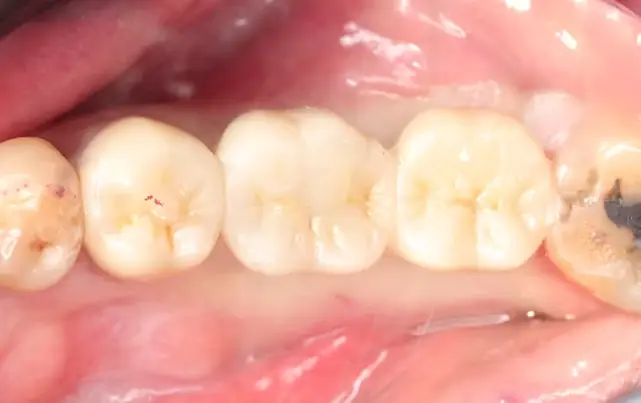
Tooth loss can have a significant impact on both oral health and overall confidence. It affects the ability to chew, speak clearly, and maintain proper jaw alignment. Fortunately, modern dentistry offers advanced solutions that go beyond traditional dentures or bridges. One of the most effective and long-lasting options is implant restoration, a procedure that rebuilds missing teeth using dental implants and custom-designed prosthetics.
Unlike temporary solutions, implant restoration focuses on permanence, stability, and natural aesthetics. It combines surgical precision with prosthodontic expertise to deliver results that closely mimic real teeth. As dental technology continues to evolve, implant restoration has become the gold standard for tooth replacement.
This guide explores the process, types, materials, and benefits of implant restoration, helping you understand why it is considered one of the most advanced solutions in modern dentistry.
What Is Implant Restoration?
Implant restoration refers to the process of placing a prosthetic tooth or teeth onto a dental implant that has been surgically inserted into the jawbone. The implant acts as an artificial root, providing a strong and stable foundation for the restoration.
The restoration component can include:
- A single crown
- A dental bridge
- A full-arch prosthesis
The goal is to restore both function and appearance, allowing patients to eat, speak, and smile with confidence.
Components of an Implant Restoration
An implant restoration typically consists of three main parts:
Dental Implant
This is a titanium post surgically placed into the jawbone. It integrates with the bone through a process called osseointegration, creating a stable foundation.
Abutment
The abutment connects the implant to the prosthetic restoration. It serves as a support structure for the final crown or bridge.
Prosthetic Restoration
This is the visible part of the implant, designed to look and function like a natural tooth.
Types of Implant Restorations
Different types of implant restorations are used depending on the patient’s needs.
Single Tooth Implant Restoration
Used to replace one missing tooth, this option involves placing a single implant and attaching a custom crown.
Implant-Supported Bridge
This is used when multiple teeth are missing. Instead of placing an implant for each tooth, a bridge is supported by a few implants.
Full-Arch Implant Restoration (All-on-4)
This solution replaces an entire set of teeth using a limited number of implants, typically four to six per arch.
Implant-Supported Dentures
These are removable prosthetics that attach to implants, providing better stability than traditional dentures.
The Implant Restoration Process
The process of implant restoration involves several stages.
Initial Consultation and Planning
The dentist evaluates the patient’s oral health, bone structure, and suitability for implants.
Implant Placement Surgery
The implant is surgically placed into the jawbone. Healing typically takes several months as the implant integrates with the bone.
Abutment Placement
Once healing is complete, an abutment is attached to the implant.
Final Restoration
A custom crown, bridge, or prosthesis is placed on the abutment, completing the restoration.
Materials Used in Implant Restorations
The quality of materials used plays a crucial role in the success of implant restorations.
Titanium
Used for the implant itself due to its strength and biocompatibility.
Zirconia
A popular choice for crowns due to its durability and natural appearance.
Porcelain
Often used for its aesthetic qualities, especially for front teeth.
Benefits of Implant Restoration
Long-Term Durability
Implants are designed to last for many years, often decades, with proper care.
Natural Look and Feel
Restorations are designed to match natural teeth in appearance and function.
Improved Oral Health
Implants prevent bone loss and maintain jaw structure.
Enhanced Comfort
Unlike removable dentures, implant restorations are stable and comfortable.
Better Functionality
Patients can chew and speak normally without discomfort.
Challenges and Considerations
While implant restoration offers many benefits, there are factors to consider:
Healing Time
The process can take several months due to the need for bone integration.
Cost
Implant restorations can be more expensive than other options.
Surgical Procedure
The process involves minor surgery, which may not be suitable for all patients.
The Role of Dental Laboratories
Dental laboratories play a crucial role in the success of implant restorations. They design and fabricate the prosthetic components with precision.
Modern labs use:
- Digital scanning
- CAD/CAM technology
- 3D printing
These technologies ensure that restorations fit perfectly and function effectively.
Maintenance and Care
Proper care is essential for maintaining implant restorations.
Patients should:
- Brush and floss regularly
- Visit the dentist for check-ups
- Avoid excessive force on implants
- Maintain good oral hygiene
With proper care, implant restorations can last for many years.
Advances in Implant Restoration
The field of implant restoration continues to evolve with new technologies.
Digital Dentistry
Digital workflows improve accuracy and reduce treatment time.
AI-Assisted Design
Artificial intelligence is being used to design more precise restorations.
Immediate Load Implants
Some procedures allow for faster placement of restorations.
Why Implant Restoration Is the Preferred Choice
Compared to traditional solutions, implant restoration offers:
- Greater stability
- Longer lifespan
- Better aesthetics
- Improved oral health
It is widely considered the most advanced and reliable method for replacing missing teeth.
Conclusion
Implant restoration has revolutionized the way dental professionals approach tooth replacement. By combining advanced technology, high-quality materials, and precise techniques, it provides a solution that is both functional and aesthetically pleasing.
While the process requires time and investment, the long-term benefits far outweigh the initial commitment. Patients can enjoy improved oral health, enhanced confidence, and a better quality of life.
As dental technology continues to advance, implant restoration will remain at the forefront of modern dentistry, offering solutions that are more efficient, durable, and accessible than ever before.