Introduction
Building a small mechanical engine may sound like a difficult task, especially for someone who has never worked with tools or machines before. However, EngineDIY changes that experience completely by making it simple, guided, and beginner-friendly. With a well-designed mini engine kit, even first-time learners can understand how engines work and assemble one step by step. Instead of using complex engineering language, EngineDIY focuses on easy instructions, clear visuals, and hands-on learning. This helps beginners stay confident while learning real mechanical concepts. A mini engine is not just a model; it is a learning system that shows how real engines operate in vehicles and machines. EngineDIY removes fear from technical learning and replaces it with curiosity and excitement. This makes it a great choice for students, hobbyists, and anyone who wants to explore engineering in a practical and fun way.
What Makes EngineDIY Beginner-Friendly
The main reason EngineDIY is so popular is because it is designed specifically for beginners. Many people avoid engineering projects because they think they are too complex, but EngineDIY solves this problem by breaking everything into simple steps. The mini engine kit comes with easy-to-follow instructions that guide users from start to finish. Each part is labeled clearly, so there is no confusion during assembly. Even someone with zero technical experience can understand the process. EngineDIY also focuses on learning by doing, which means users gain knowledge while building. This hands-on approach makes it easier to remember how engines function. Instead of reading long theory books, beginners can directly see how each part moves and interacts. This makes learning faster, more interesting, and more practical. EngineDIY is designed to build confidence step by step so beginners never feel overwhelmed during the process.
Understanding the Mini Engine Structure
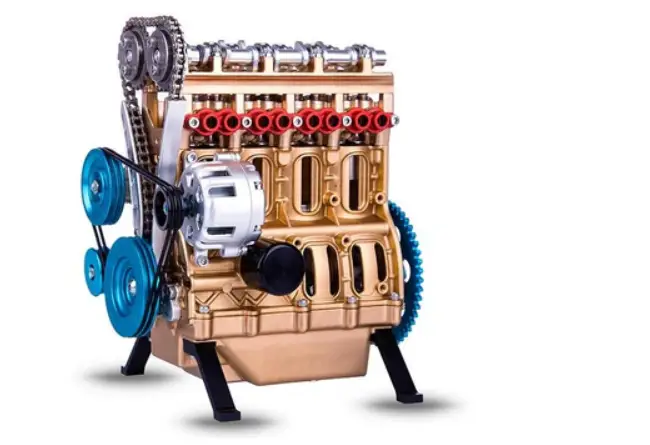
A mini engine is a small version of a real engine that works on the same mechanical principles. With EngineDIY, beginners get the chance to see how different engine parts work together to create motion. Inside the mini engine, components like pistons, crankshafts, cylinders, and valves play an important role. Each part has a specific function, and EngineDIY helps users understand these roles in a very simple way. For example, pistons move up and down to create power, while the crankshaft converts that movement into rotation. Seeing these parts in action makes learning much easier compared to reading theory alone. EngineDIY turns complex mechanical systems into a simple, visual experience. This helps beginners build strong foundational knowledge about how engines work in real life. Understanding this structure also helps learners develop interest in engineering and mechanical design for future studies or hobbies.
Tools and Parts Included in EngineDIY Kits
One of the best things about EngineDIY is that it provides everything needed to build a mini engine in one complete package. Beginners do not need to search for extra tools or parts. The kit includes engine components, screws, connectors, small tools, and a detailed instruction manual. Each item is carefully designed to fit perfectly with the rest, making the assembly process smooth and frustration-free. EngineDIY ensures that all parts are safe and easy to handle, even for younger users. This organized system saves time and allows users to focus fully on learning. The tools provided are simple but effective, so beginners can complete the project without professional equipment. Everything is arranged in a logical order, which helps users understand how each part connects to the next. This makes the learning process more structured and enjoyable, especially for first-time builders exploring mechanical systems.
Step-by-Step Assembly Made Easy
Building a mini engine with EngineDIY is a smooth process because it follows a clear step-by-step method. The instructions are designed in a way that beginners can easily follow without confusion. First, users organize all parts, then start assembling the base frame. After that, they gradually add internal components like pistons, rods, and shafts. Each step is explained with simple instructions and visual diagrams. This helps users understand exactly what to do at every stage. EngineDIY ensures that no step feels too complicated or rushed. Beginners can work at their own pace and repeat steps if needed. This reduces mistakes and increases confidence during the building process. The step-by-step method also helps learners understand how each part of the engine contributes to its overall function. By the end, users not only complete a working model but also gain real mechanical knowledge in a simple way.
Learning Through Hands-On Experience
One of the biggest advantages of EngineDIY is hands-on learning. Instead of just reading or watching videos, users actually build a mini engine with their own hands. This practical experience helps the brain understand mechanical concepts more clearly. When beginners physically connect parts and see how they move, they learn faster and remember better. EngineDIY makes this process engaging by turning learning into an activity instead of a lesson. This approach is especially helpful for students who struggle with traditional classroom learning. It also improves problem-solving skills because users may need to think and adjust during assembly. Hands-on learning builds curiosity and encourages users to explore how machines work in real life. EngineDIY uses this method to make engineering simple, fun, and interactive. It helps beginners develop both knowledge and confidence at the same time.
Why Mini Engine Kits Are Great for Education
A mini engine kit from EngineDIY is not just for fun; it is also a powerful educational tool. It helps students understand science, physics, and engineering concepts in a practical way. Instead of memorizing formulas, learners can see real-world applications of motion, force, and energy. EngineDIY makes education more engaging by combining learning with building. Teachers and parents often use these kits to improve students’ interest in STEM subjects. The visual and hands-on nature of the kit helps students grasp difficult topics easily. It also encourages creativity and curiosity, which are important for future engineers. EngineDIY provides a safe environment for learning without the risks of real machinery. This makes it suitable for classrooms, workshops, and home learning. Overall, it bridges the gap between theory and real-world understanding in a simple and effective way.
Conclusion
In conclusion, EngineDIY makes building a mini engine easy, fun, and highly educational for beginners. It removes the complexity often associated with mechanical engineering and replaces it with simple instructions and hands-on experience. From understanding engine basics to assembling each part step by step, learners gain real knowledge in an enjoyable way. The all-in-one kit, clear guidance, and practical approach make EngineDIY an excellent choice for students and hobbyists. It not only teaches how engines work but also builds confidence and problem-solving skills. For anyone curious about machines and engineering, EngineDIY provides the perfect starting point. It transforms a complex subject into a simple learning journey that anyone can follow.