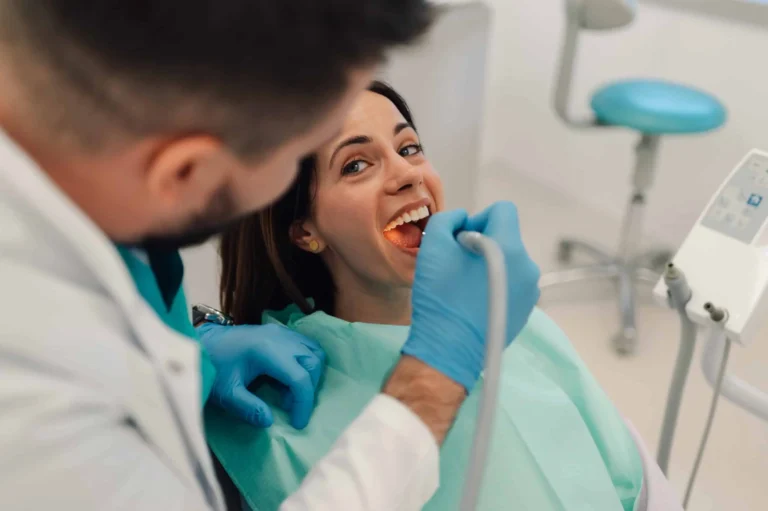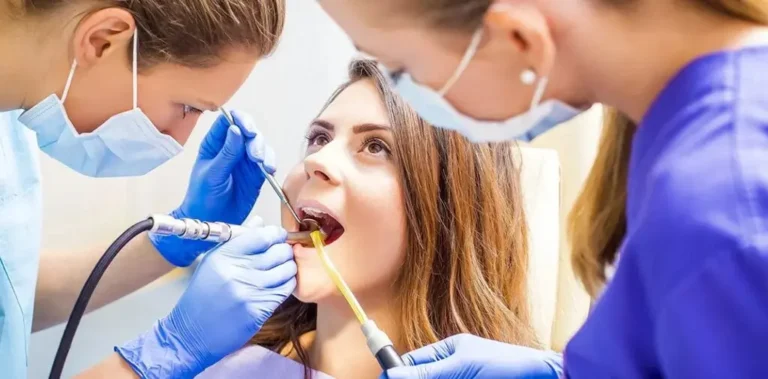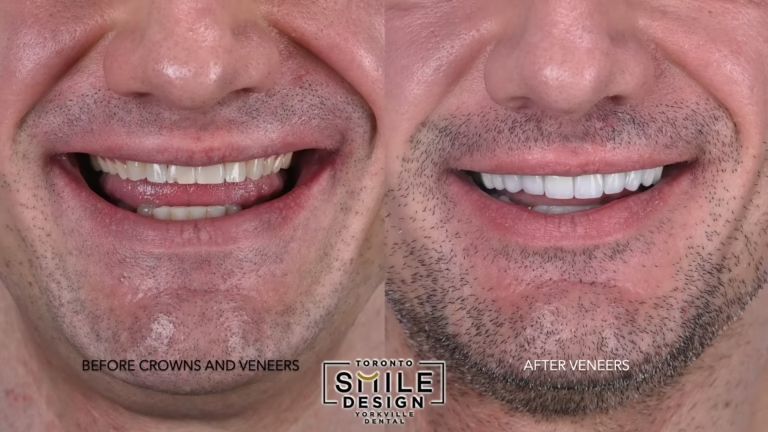
You want a healthy mouth that looks good and feels strong. You also want care that respects your daily life and your family. Aesthetic care and family dentistry belong together because your smile is not only about teeth. It shapes how you speak, eat, work, and connect with others. When a family dentist watches your mouth over time, that dentist can spot small changes early. Then treatment can protect both function and appearance. An Easton dentist who offers both types of care can clean your teeth, fix decay, and also shape a confident smile for you and your children. This joined approach prevents pain. It also reduces the fear that often keeps people away. You get clear answers, simple steps, and treatment that fits your stage of life. Your mouth stays strong. Your smile stays steady.
What Aesthetic Care Really Means For You
Aesthetic care is not only about white teeth. It is about a mouth that works well and looks natural at the same time. You want teeth that let you chew, speak, and smile without strain or shame.
Aesthetic care often includes:
- Tooth colored fillings that blend in with your teeth
- Simple reshaping to smooth sharp or uneven edges
- Careful repair of chipped teeth so they look natural
Each step supports daily life. Straight, even teeth are easier to clean. Smooth edges collect less plaque. A mouth that looks calm often feels calm. That lowers tension and helps you stick with care.
How Family Dentistry Supports Every Stage Of Life
Family dentistry follows you through every season of life. It covers the first baby tooth, braces years, adult work years, and later years when teeth wear down.
Family care usually includes:
- Regular cleanings and exams for children and adults
- Fluoride and sealants for children to block early decay
- Screening for gum disease and oral cancer in adults
Routine visits help your dentist learn your habits, health history, and fears. That trust makes it easier to ask hard questions. It also helps your dentist spot early changes in color, shape, or bite that can affect both health and appearance.
Why Health And Appearance Rise Or Fall Together
Healthy teeth usually look better. Damaged teeth usually look worse. The two move together. You cannot separate them for long.
For example:
- Untreated decay darkens teeth and weakens them
- Gum disease causes redness, puffiness, and bad breath
- Teeth that move out of place trap food and plaque
Early treatment protects how teeth work and how they look. A small cavity filled with tooth colored material keeps the tooth strong and also keeps your smile even. A crown that restores a broken tooth also supports your bite. One choice protects you in three ways. Function. Comfort. Appearance.
You can read basic facts on tooth decay and gum disease from the Centers for Disease Control and Prevention. The science is clear. Regular care lowers disease. Lower disease means fewer visible problems.
Simple Aesthetic Treatments You Can Get In A Family Office
Many aesthetic needs fit well inside family care. You do not always need a separate specialist. Common choices include:
- Whitening for stains from coffee, tea, or tobacco
- Bonding to fix small chips or gaps
- Clear aligners or simple orthodontic steps for mild crowding
When the same dentist handles cleanings and these treatments, the dentist can tailor care around your schedule, your budget, and your health. The dentist knows which tooth has a large filling, which gum area bleeds, and which child grinds teeth at night. That history shapes safer treatment.
Comparing Routine Care Alone and Joined Aesthetic and Family Care
| Type of care | What you usually get | Impact on health | Impact on appearance |
|---|---|---|---|
| Routine care only | Cleanings, basic fillings, emergency visits | Addresses pain after it starts. Higher chance of future problems. | Repairs may not match tooth color or shape. Smile may look uneven. |
| Aesthetic care only | Whitening, cosmetic reshaping, cosmetic veneers | May miss hidden decay or gum disease. | Short-term bright look. Risk of problems under the surface. |
| Joined aesthetic and family care | Regular exams plus planned aesthetic steps | Prevents many problems. Treats disease early. | Natural look that lasts longer. Repairs blend with your smile. |
How This Joined Approach Helps Children
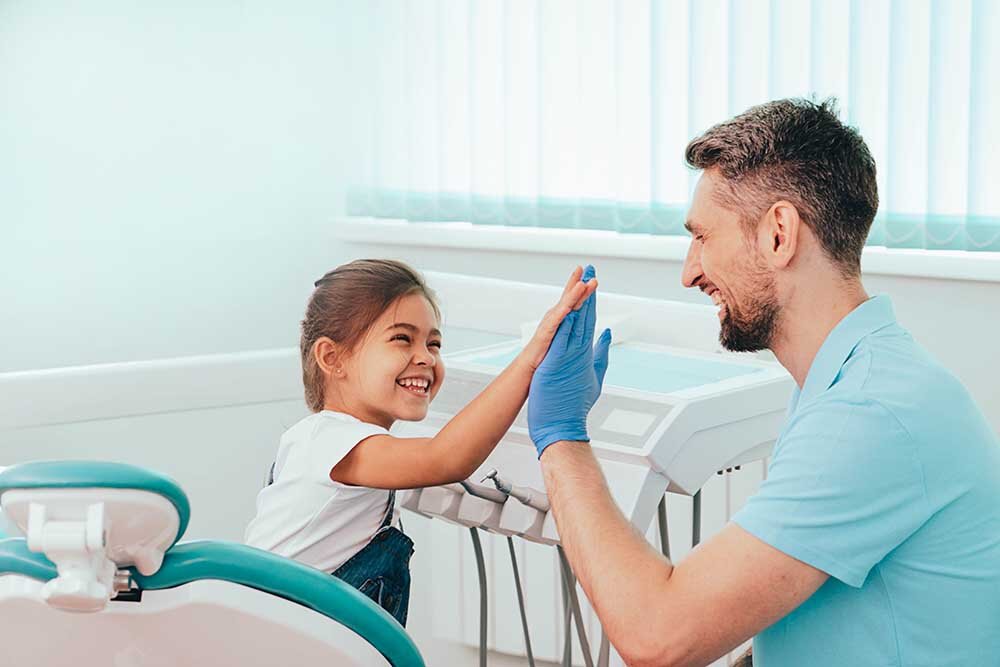
Children watch how you react to the dentist. They also carry early mouth memories into adult life. A calm, steady family office shapes those memories.
When a child sees the same team over time, that child learns to trust the chair, the light, and the tools. At the same time, the dentist can:
- Guide teeth as they grow so they line up better
- Fix chips from sports without drawing shame
- Use sealants and fluoride to protect new teeth
You can review child-specific tips through the National Institute of Dental and Craniofacial Research. Simple steps at home and at the office cut risk for both decay and crooked growth. That means less pain and a more even smile.
Daily Steps That Support Both Health And Looks
Your home routine shapes how well dental visits work. You do not need complex products. You need steady habits.
Focus on three daily steps:
- Brush twice a day with fluoride toothpaste
- Clean between teeth once a day with floss or another tool
- Limit sugary snacks and drinks to mealtimes
These habits lower plaque. They keep the gums firm. They also protect any fillings, crowns, or bonding you already have. That protects both your health and your smile.
When To Talk With Your Dentist About Aesthetic Care
You do not need to wait until something breaks. You can bring up appearance any time. Good times to ask include:
- When you notice stains that do not brush away
- When a chip or crack catches your tongue
- When you avoid smiling in photos
A family dentist can explain safe choices, costs, and timing in plain language. The dentist can also tell you when a cosmetic request may hide a health issue that needs treatment first.
Bringing It All Together For Your Family
Aesthetic care and family dentistry move together like breath and speech. One supports the other. When you choose a practice that respects both, you protect your mouth, your comfort, and your confidence at the same time.
You gain three key benefits. You catch problems early. You keep treatment simple. You protect a natural smile for yourself and your children.