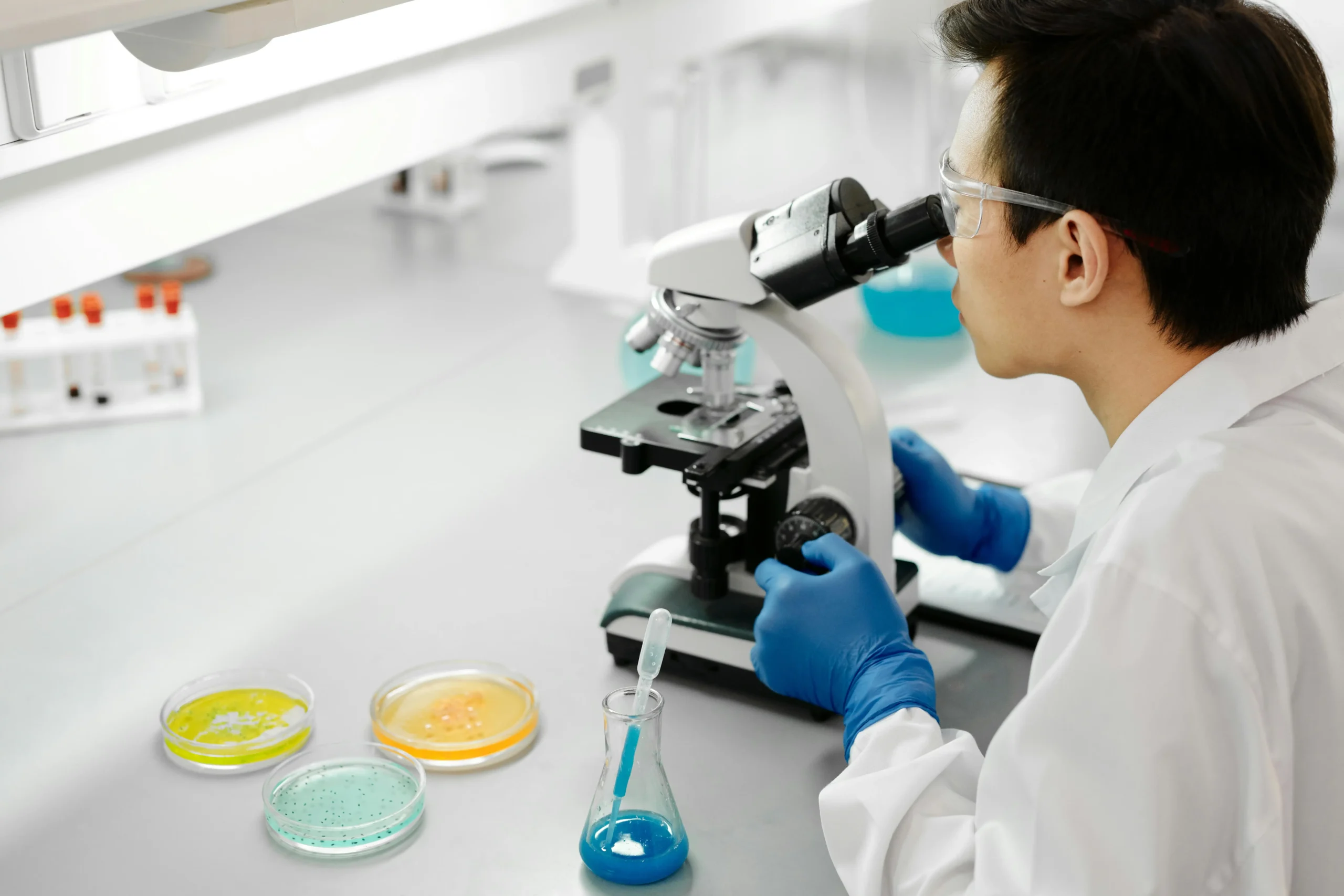
In the high-stakes world of dermatological research and regenerative medicine, few molecules have maintained a steady climb in popularity, like GHK-Cu. While many “miracle ingredients” flash in the pan before fading into obscurity, this tiny copper peptide has only seen its reputation grow as the body of clinical evidence expands.
The fascination with GHK-Cu isn’t just about vanity or the pursuit of a “youthful glow.” It is driven by a deep scientific curiosity about how a simple chain of three amino acids glycine, histidine, and lysine complexed with a single copper ion can fundamentally alter cellular behavior. Whether researchers are looking for Peptides for Sale to conduct wound-healing studies or consumers are seeking out a high-end GHK-Cu Copper Peptide Face Cream, the goal is the same: to tap into a biological repair signal that the human body naturally possesses but loses as it ages.
So… What Is GHK-Cu, Exactly?
GHK-Cu is a naturally occurring tripeptide-copper complex first identified in human plasma in the 1970s by Dr. Loren Pickart. At its core, it is a “carrier peptide,” meaning its primary job is to pick up copper ions and deliver them to specific cells.
Copper is an essential trace element required for the function of several key enzymes, including lysyl oxidase, which is responsible for cross-linking collagen and elastin. Without sufficient copper, the structural integrity of our skin, bones, and heart would collapse. When we are in our early 20s, our blood contains about 200 ng/mL of GHK-Cu. By the time we reach 60, those levels drop by more than 60%, plummeting to around 80 ng/mL.
This decline is a major driver behind the interest to Buy GHK-Cu Peptide for research. Scientists view this peptide as a “rejuvenation signal.” By re-introducing the peptide to aged tissues, the hypothesis is that we can trick the cells into behaving as they did during youth accelerating repair, damping down unnecessary inflammation, and rebuilding a compromised structural matrix.
The Secret Behind Its Power: How GHK-Cu Works
GHK-Cu doesn’t just “moisturize” the skin; it acts as a transcriptional regulator. Recent genomic studies have shown that GHK-Cu can reset the human genome to a younger, healthier state. In fact, it has been shown to influence over 4,000 human genes, essentially “turning up” the volume on genes responsible for repair and “turning down” the volume on those linked to chronic inflammation and cellular stress.
1. Copper Delivery and Enzyme Activation
As mentioned, the “Cu” in GHK-Cu stands for copper. By acting as a sophisticated delivery vehicle, the peptide ensures that copper reaches the fibroblasts the cells responsible for making skin-support proteins. This triggers the production of:
- Collagen: For strength and structure.
- Elastin: For snap and “bounce-back” capability.
- Glycosaminoglycans: Such as hyaluronic acid, for deep-seated hydration.
2. Stem Cell Activation
One of the most exciting areas for a Research Peptide like GHK-Cu is its effect on skin stem cells. Research suggests that GHK-Cu may increase the “stemness” of basal keratinocytes, essentially increasing the pool of healthy cells available to repair the skin barrier.
3. Antioxidant Defense
GHK-Cu is a potent antioxidant. It blocks the formation of iron-induced free radicals and inhibits the lipid peroxidation that damages cell membranes. By reducing oxidative stress, it prevents the “rusting” of our cells from the inside out.
Results You Can See: The Visible Benefits
The popularity of GHK-Cu in the retail sector is largely due to its multi-tasking nature. Most skincare ingredients do one thing well: Retinol handles cell turnover, Hyaluronic Acid handles hydration. However, a well-formulated GHK-Cu Copper Peptide Serum targets almost every visible sign of aging simultaneously.
- Improved Firmness: By thickening the dermis, GHK-Cu helps lift sagging skin along the jawline and neck.
- Texture and Radiance: It encourages the shedding of damaged, dull cells in favor of fresh, light-reflecting tissue.
- Reduced Hyperpigmentation: By modulating inflammation, it can help fade post-inflammatory spots and sun damage.
- The “Glass Skin” Effect: Because it improves the skin barrier, the skin retains more moisture, leading to a plumper, more translucent appearance.
Beyond Beauty: The Healing Potential of GHK-Cu
While the cosmetic world has embraced GHK-Cu, the medical community is investigating its role in “deep healing.” This is why it remains a top-selling Research Peptide in academic settings.
Wound Healing and Tissue Regeneration
GHK-Cu has a profound ability to accelerate the healing of wounds, including diabetic ulcers and surgical incisions. It promotes angiogenesis (the growth of new blood vessels), which is vital for bringing oxygen to a site of injury.
Nerve and Organ Support
Emerging studies explore how GHK-Cu may support nerve regeneration after injury. Its anti-inflammatory properties are also being examined in the context of the lungs and the liver, where it may help reduce the formation of stiff, non-functional scar tissue (fibrosis).
Hair Growth
There is growing evidence that GHK-Cu can enlarge hair follicles and stimulate the growth phase (anagen) of the hair cycle. By improving the health of the scalp and increasing blood flow to the follicle, it serves as a non-hormonal option for those studying hair density.
Why This Peptide Rises Above the Rest
With hundreds of peptides available on the market, what makes GHK-Cu the “gold standard”?
- Bio-Identity: Because it is naturally found in our bodies, it is recognized and utilized with high efficiency. There is no “learning curve” for cells.
- Versatility: It can be used in a GHK-Cu Copper Peptide Face Cream for slow-release hydration or as an intensive serum for targeted repair.
- Low Irritation: Unlike harsh acids or retinoids, copper peptides are generally very calming. They are often used to soothe skin after aggressive procedures like chemical peels or laser resurfacing.
What to Expect: Realistic Timelines
It is important for those who Buy GHK-Cu Peptide for personal or professional use to understand that biology takes time. You are not painting a wall; you are growing a garden.
- Weeks 1-2: Most notice an improvement in skin hydration and a reduction in redness or “angry” skin.
- Weeks 4-8: As collagen synthesis ramps up, fine lines begin to soften, and the skin feels noticeably firmer to the touch.
- Month 3 and beyond: This is when the structural remodeling becomes most evident. Pores appear smaller, and the overall “tightness” of the skin improves.
What You Should Know Before Trying It
If you are looking for Peptides for Sale to integrate into your routine, keep these “rules of engagement” in mind:
- Watch the pH: Copper peptides can be sensitive to highly acidic environments. Using them at the same time as high-percentage Vitamin C (L-Ascorbic Acid) or Glycolic Acid can sometimes break the bond between the peptide and the copper, rendering the product less effective.
- Quality is King: The characteristic blue color of a GHK-Cu Copper Peptide Serum should be deep and vibrant. If a product is pale or clear, it likely contains a negligible concentration of the active peptide.
- Layering: Always apply water-based serums before heavy creams to ensure the small peptide molecules can penetrate the skin barrier.
Conclusion
The science behind GHK-Cu proves that sometimes, the best solutions are the ones our bodies already know. By providing the skin with the specific signals and minerals it needs to repair itself, GHK-Cu bridges the gap between traditional skincare and advanced regenerative medicine.
As we look to the future, the applications of GHK-Cu will likely expand from GHK-Cu Copper Peptide Face Cream into more advanced medical therapies for systemic healing. For now, it remains a powerful example of how a small molecule can create a massive impact not just on the surface of the skin, but on the very genes that define our biological age. In the world of peptides, GHK-Cu isn’t just a trend; it’s a fundamental shift in how we approach the science of longevity.