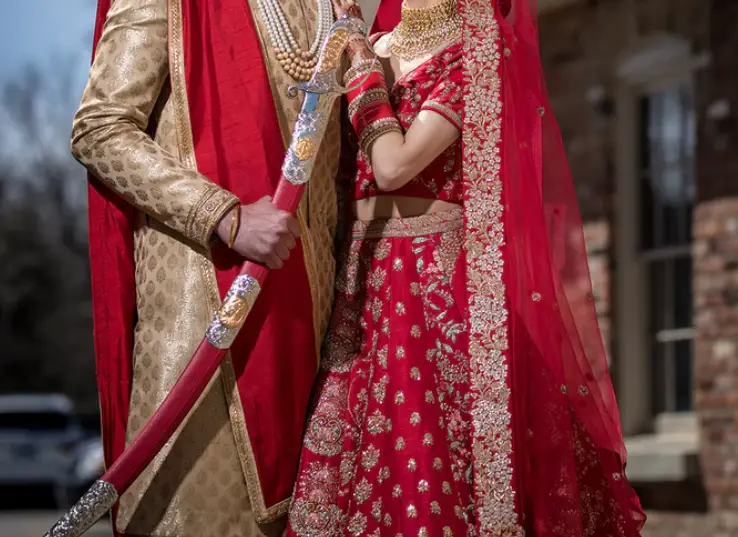
The process of choosing a wedding sword can feel confusing when several designs, materials, and symbolic elements seem to be quite similar. Meanwhile, balancing cultural expectations and personal preferences may render the decision unpredictable and difficult to navigate. Consequently, most individuals make decisions largely based on appearance and subsequently realize that the sword does not fully fit their ceremony, practicality, and other underlying values associated with the occasion.
A more organized application, however, can introduce clarity and make the whole process more significant and assured. When you consider the key issues rather than the surface-level details, the selection becomes simpler to assess and compare sensibly. With the right perspective, you can make a decision that is suitable, practical, and sustainable.
The article below clearly explains what to consider before making your final choice.
- Choose the right design and Aesthetic for Your Ceremony
Design is important in the way that the wedding sword looks during the ceremony and the overall tone. Some prefer bold traditional designs, whereas others are inclined towards sophisticated and minimal designs. Consequently, choosing a style that corresponds to the ceremony atmosphere will provide visual harmony in the whole event.
Moreover, the coordination with attire has a great impact on the presentation. Colors, finishes, and details must complement clothing, not overwhelm it. This balance assists in forming a cohesive look that is purposeful and well-thought-out.
Also, the final design choice is guided by the wedding setting. More complicated and elaborate detailing can be best used in a formal venue, and clean and subtle styles can be used in simpler settings. When these are properly aligned, the sword adds to the visual experience without being distracting from the occasion.
- Evaluate Cultural and Spiritual Significance in Your Selection
Cultural meaning must be part of the decision when you start choosing a wedding sword. In most cultures, the sword is a symbol of responsibility, protection, and dedication that one brings to marriage. Consequently, disregarding this aspect can diminish its significance to the point of mere ornamentation.
In addition to symbolism, various elements tend to illustrate more significant links to heritage. For example, classic motifs or symbols may have identities and values attached to them. As a result, choosing a sword that connects with your background ensures it is relevant to the ceremony.
Meanwhile, spiritual meaning provides emotional richness to the moment. An appropriate decision reinforces the bond between the traditions and the personal intent. This approach ensures the sword is part of the ceremony rather than an isolated object.
3. Evaluate Material, Craftsmanship, And Quality
The quality of the material directly affects the durability and longevity of the sword. Properly finished strong metals are used to preserve structure and appearance despite frequent handling. As a result, it is necessary to review material specifications prior to decision-making.
Meanwhile, craftsmanship demonstrates proficiency and accuracy in production. Even edges, well-balanced weights, and fine lines are evidence of skilled work. These attributes set the premium pieces apart from the standard or mass-produced items.
Moreover, overall reliability is dependent on both material and construction. A well-crafted sword retains its shape, finish, and strength with time. This makes it not just fit to be used in a ceremony but also in long-term preservation and value.
4. Consider Personalization and Engraving Options
Personalization assists in turning the sword into a reflection of your own journey and meaning. Including names, dates, or important words makes an immediate emotional connection with the ceremony itself. Consequently, it makes the piece look more related to the moment and not merely a decoration.
Besides this, engraving also adds a distinct identity that cannot be provided by standard designs. These signs, whether subtle or detailed, render each work unique and meaningful in itself. This difference usually adds to the emotional attachment with time and enhances its symbolic worth.
Additionally, customization improves the overall aesthetics when implemented carefully without affecting design balance. Careful placement facilitates a seamless combination of the personalized components with the existing detailing. This gives it an elegant appearance with meaning and aesthetics working harmoniously.
5. Select Right Size, Weight, And Comfort
The size and weight are significant to the feel of the sword during the ceremony and should be considered carefully. A heavy or poorly balanced piece might cause discomfort and can influence natural movement. Thus, determining the ease of handling prior to final selection prevents practical difficulties later.
At the same time, right length guarantees that the sword fits the personal and ritual setting. Although bigger designs can provide great visual impact, they must be manageable in practice. This balance provides control without losing the elegance when handling.
In addition, the quality of grip has a direct influence on its comfort and confidence. A properly crafted handle provides a stable grip and effortless movement when needed. All these factors combined ensure a more controlled and comfortable ceremony experience in general.
6. Balance Budget With Long-Term Value and Legacy
Budget is an important factor, but it should not dominate the entire decision-making process. Lower-cost options may seem practical initially, yet they often compromise on durability and finishing quality. As a result, their long-term value may be limited compared to better-crafted alternatives.
On the other hand, investing in quality offers benefits that extend beyond the ceremony itself. A well-made sword retains its structure, appearance, and significance over time, making it more reliable for long-term use. This shifts focus from short-term savings to lasting value.
Along with this, legacy potential adds deeper meaning to the decision. A carefully chosen piece can be preserved and passed down through generations. This transforms it from a one-time purchase into a meaningful family symbol.
Conclusion
A wedding sword carries meaning that extends beyond its physical form, making the selection process more intentional than it may first seem. Every detail, from structure to finish, contributes to how well it fits within the ceremony. When each element is viewed clearly, the decision becomes more grounded and less overwhelming, helping you focus on what truly aligns with the occasion.
Ultimately, a thoughtful choice ensures the sword feels appropriate in presence and purpose. It becomes part of the ceremony in a natural way rather than a forced addition. By approaching the selection with care, you ensure the final piece holds lasting relevance and reflects the significance of the moment.