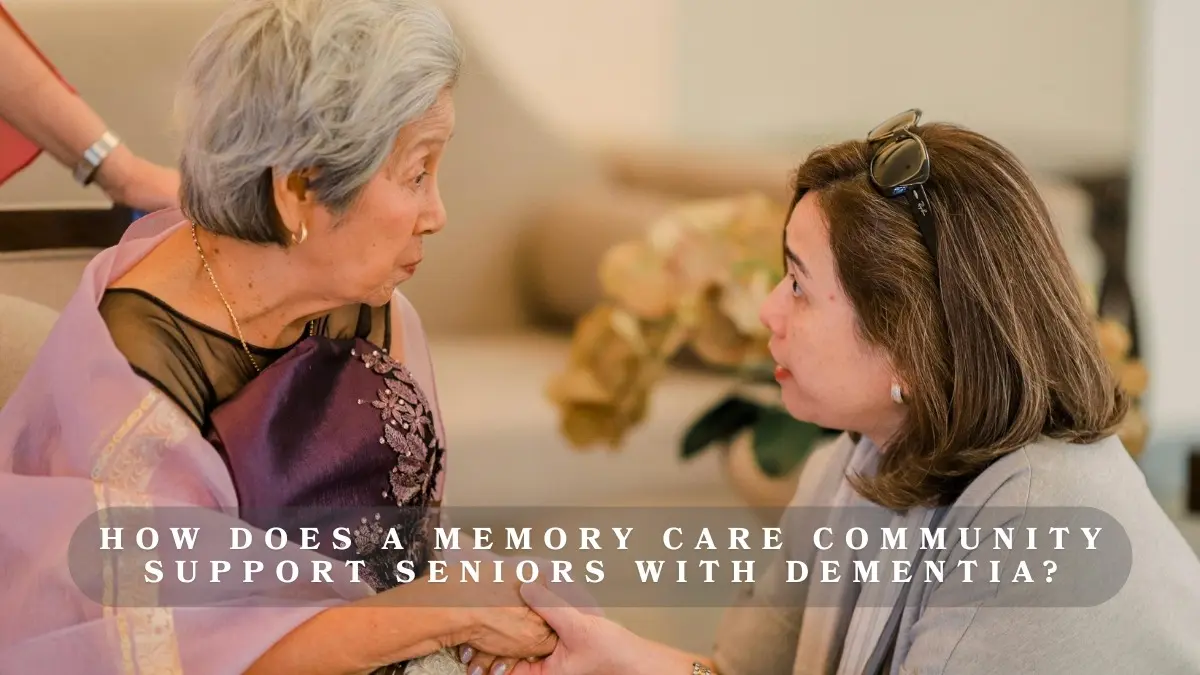
Seniors with memory issues do not only need a daily routine or medical assistance. It is about understanding emotions, building trust, and making people feel safe. In memory care assisted living, caregivers go beyond providing basic care. They bring warmth, patience, and human connection into everyday moments.
If you are exploring options like memory care assisted living, or looking into senior living Oregon, it helps to understand how compassion actually shows up in daily care.
Let’s take a closer look at how caregivers bring compassion to memory care assisted living communities.
What Does Compassion Mean in Memory Care?
Compassion in memory care assisted living community is about seeing the person, not just the disease. Memory care needs can create confusion, fear or frustration for seniors. Instead of correcting, caregivers respond with empathy. They do not argue, they do not force logic. Rather they are emotion and comfort driven. This way, not only does it help residents with their emotional health, but also, stress levels are significantly reduced.
For example:
- If a resident repeats a question, the caregiver calmly answers each time.
- If someone feels anxious, they offer reassurance instead of rushing them.
- If a memory is incorrect, they validate feelings rather than correct facts.
Why Compassion Matters in Memory Care Assisted Living?
People with dementia often struggle to express feelings. About 55 million people worldwide live with dementia, which will rise to 71% by 2050. This growing prevalence highlights an urgent need for effective care approaches. Every assisted living facility offers support. Compassion helps caregivers “read between the lines” and respond appropriately. Research also shows that calm communication and emotional validation can reduce behavioral challenges in dementia care.
Here’s why it matters:
- It builds trust between residents and caregivers
- It reduces agitation and confusion
- It helps residents feel respected and valued
- It supports emotional stability
Simple Ways Caregivers Show Compassion Daily
Compassion is not one big action. It is built through small, consistent habits.
1. They Practice Patient Communication
Caregivers use:
- Short and clear sentences
- Gentle tone of voice
- Eye contact and body language
They give residents time to respond and never rush conversations. This is especially helpful for seniors dealing with aphasia and dementia, where communication becomes harder.
2. They Follow the Resident’s Pace
No one likes to feel rushed. In memory care assisted living, the caregivers adjust to the schedule of a resident. Yet, quality of life is really affected by compassionate care.
For example:
- Allow extra time for meals
- Help with dressing without pressure
- Keep daily routines predictable
3. They Focus on Emotions, Not Just Actions
A resident may seem upset, but the root cause could be fear or confusion. Compassion means addressing that emotion first. Instead of correcting behavior, caregivers ask:
- “How are they feeling?”
- “What might be causing this reaction?”
4. They Respect Personal Choices
Even small decisions matter. Caregivers should:
- Let residents choose clothes
- Respect food preferences
- Encourage independence where possible
This helps maintain dignity, which is very important in any assisted living community.
5. They Use Gentle Redirection
When a situation becomes difficult, caregivers don’t argue. They redirect. This avoids frustration and keeps the environment peaceful.
For example:
- Change the topic
- Suggest a calming activity
- Guide attention to something familiar
Creating a Comfortable and Safe Environment
Compassion is not only about behavior. It also shows in the environment. Caregivers play a big role in maintaining this environment every day. In well-designed memory care assisted living, you will notice:
| Feature | How It Helps |
| Consistent routines | Reduces confusion |
| Calm spaces | Lowers anxiety |
| Familiar objects | Creates comfort |
| Clear layouts | Improves independence |
The Role of Emotional Connection
Compassionate care all starts with connection. Just holding a hand or smiling can impart safety. In addition, experts emphasize that empathy coupled with active listening enhances trust and enables better caregiving outcomes.
Caregivers:
- Listen actively
- Show empathy through small gestures
- Spend time in meaningful conversations
How Caregivers Handle Challenging Situations
Memory-related conditions can lead to:
- Mood swings
- Repetitive behavior
- Confusion
Compassion helps caregivers stay calm during these moments.
They:
- Avoid taking behavior personally
- Stay patient and composed
- Focus on reassurance
Understanding that these behaviors are part of the condition makes caregiving more effective
Supporting Caregivers to Stay Compassionate
Caregiving can be emotionally demanding. To keep compassion strong, support is important.
Caregivers need:
- Proper training
- Emotional support systems
- Breaks and self-care
Without support, burnout can happen, which affects care quality
The majority of top assisted living facilities invest in their caregivers’ well-being so that they too can care for your loved ones in the best way.
How Families Can Identify Compassionate Care?
Here are some signs to consider if you are deciding between memory care assisted living options:
- Staff speak kindly and patiently
- Residents appear calm and comfortable
- Caregivers engage, not just supervise
- Personalized care plans are in place
You can also ask:
- How do you handle difficult behaviors?
- How do you support emotional needs?
These questions reveal how compassion is practiced daily.
Conclusion
Compassion is the core of great care. While care delivered at Memory care assisted living communities is more akin to day-to-day support over time, this support creates a deeper relationship through human interaction.
Those caregivers who listen in, tweak gradually and respond a little more empathetically can sometimes just be the world to residents and their families.
Whether you are reviewing senior living Oregon options or viewing an assisted living community, simply look at services and observe how care feels is like in practice, how personnel speak and pause when it isn’t apparent.
Because at the end of the day, compassion is what gives a sense of peace to any community.